Step 2: Decide on Your Dive Travel Style
There are three main styles of scuba diving travel, each suited to different budgets, comfort levels, and diving goals.
Resort Dive Travel, Comfort and Diving in One Place
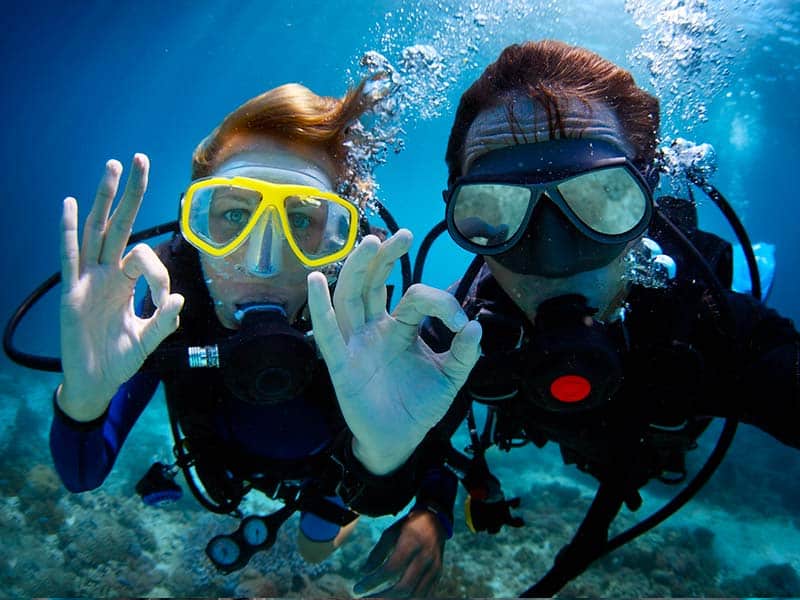
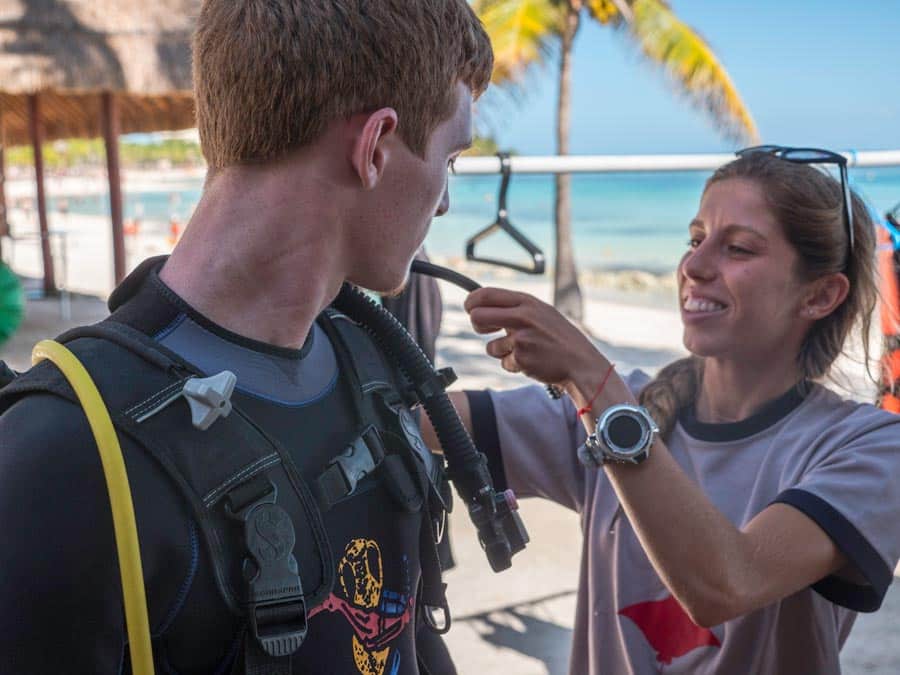
With this option, your base is a hotel, often all-inclusive. The dive center is located within the resort or nearby. Dive professionals organize all dives, handle logistics, and guide you underwater. This is the most popular format for divers who want to balance relaxation with underwater exploration.
Ideal for: Families, couples, divers traveling with non-divers, and first-time international dive travelers.
Liveaboard, Dive, Sleep, Repeat
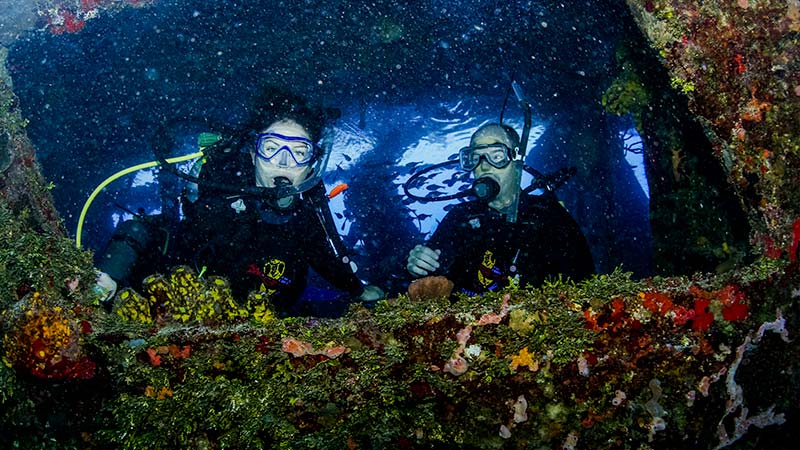
A liveaboard is a vessel that functions simultaneously as transport and accommodation during your scuba travel vacation. Typically 4–5 dives per day are completed, covering multiple dive sites across a single region. Liveaboards are the preferred option for remote scuba diving travel destinations, Raja Ampat, the Coral Sea, the Red Sea, the Maldives, where dive sites are inaccessible from shore.
Ideal for: Experienced divers, solo travelers, and those seeking pelagic species or remote reefs.
DIY Dive travel, Total Freedom
In this format, you organize everything independently: accommodation, restaurants, equipment rental, boat bookings, and dive planning. It requires more preparation but offers maximum freedom and can be more affordable in accessible destinations such as Thailand or the Philippines.
Ideal for: Budget-conscious travelers, experienced divers, and those who want to control their own itinerary.
| Type |
Avg. Daily Cost |
Best For |
Flexibility |
| Resort |
€150–350 |
Comfort + diving |
Medium |
| Liveaboard |
€200–600 |
Remote reefs, maximum diving |
Low |
| DIY |
€80–200 |
Budget, independence |
High |
Step 3: Booking Your Scuba Travel Trip
Once you have chosen your destination and travel style, book flights and accommodation in a coordinated way, since both influence each other. Use flight comparison tools (Google Flights, Skyscanner) to analyze your options. For peak dive travel seasons, booking 2–3 months in advance is the minimum recommended lead time.
For resort stays and liveaboard packages in the Caribbean, Dressel Divers offers complete scuba diving travel packages including accommodation, guided dives, and transfers. Contact: info@dresseldivers.com.
Practical tip: Booking dives online in advance can save up to 20% compared to on-site prices at many of our destinations.
Step 4: Essential Planning Considerations for Your Scuba Travel Trip
Design Your Scuba Diving Travel Itinerary
Plan which dive sites you want to visit and how many dives you will complete per day. A realistic schedule for a one-week dive travel trip includes 2–3 dives per day, with one or two rest days to avoid nitrogen accumulation before your return flight. PADI and DAN recommend stopping diving at least 18–24 hours before flying.
Contact your dive center in advance to reserve specific dives. The most popular excursions fill up quickly.
Find a Trusted Dive Center
Look for centers certified by PADI, SDI, or NAUI. Check reviews on Google and TripAdvisor. Verify safety standards and ensure equipment is well-maintained and regularly serviced. Check whether the dive center follows sustainable diving practices.
Verify Your Dive Certification
Before traveling, confirm the minimum certification requirements for your planned dives. Make sure your certification card is current. Many scuba travel destinations require a minimum number of recent dives. If you have not dived in a while, complete a refresher dive at your local center before departure.
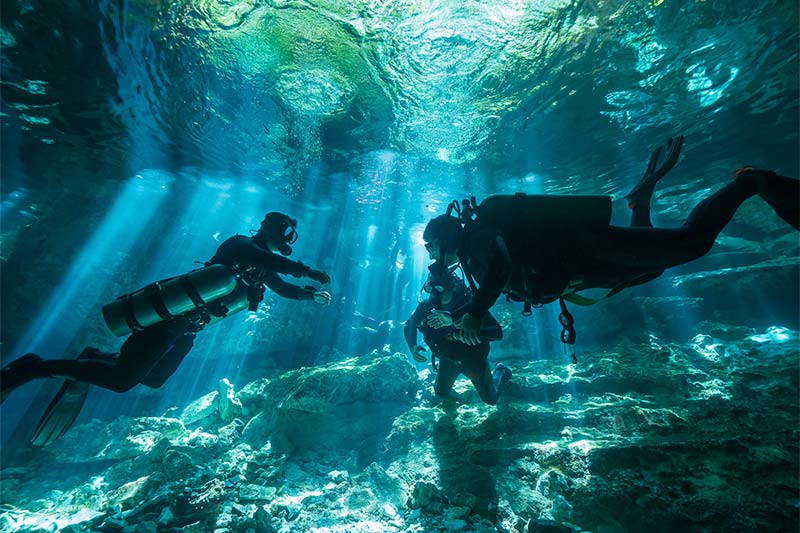
Many liveaboards require at least Advanced Open Water level. Cave diving, technical diving, and ice diving require specific certifications. Use your scuba diving travel trip as an opportunity to complete a specialty course at your destination: buoyancy, nitrox, deep diving…
Service and Prepare Your Diving Equipment
If you plan to rent equipment, confirm that the center keeps its regulators and BCDs up to date with annual technical servicing. If you are using your own gear, take the regulator to a certified technician before a major dive travel trip, most manufacturers recommend annual servicing. Check O-rings, BCD inflation, and wetsuit condition. For specialized environments (caves, ice, technical), confirm equipment compatibility with your instructor before departure.