
Underwater Macro Photography or How to Use Macro Lens Diving
10/04/2024
Underwater Tourism: Is the Future of Travel in the Depths?
25/04/2024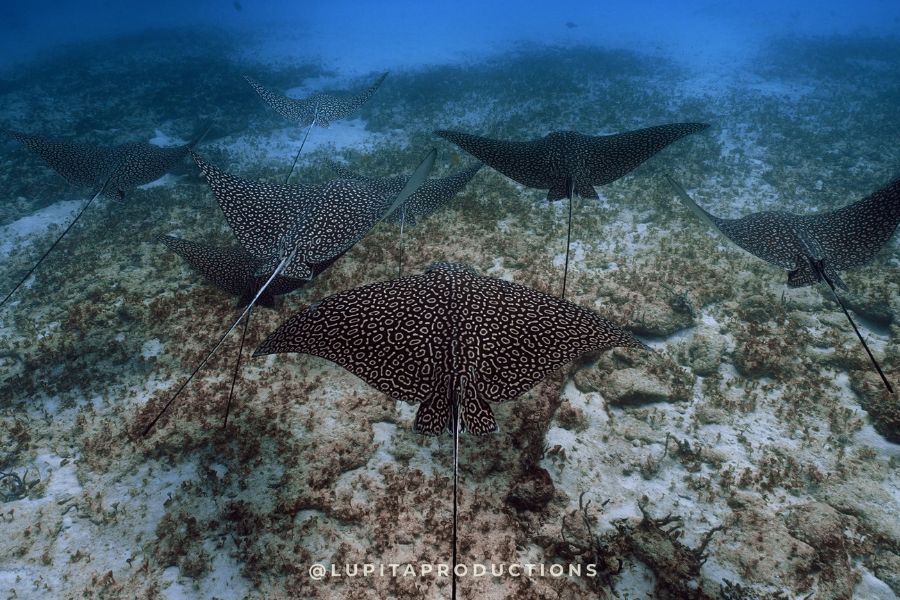
In this blog post, we invite you on a journey through deep sea photography where you’ll discover some of the most fascinating inhabitants of the Caribbean.
But what do we mean by deep-sea photography? Some consider any images taken beyond 18 meters, where conventional diving ends and deep diving begins, to be deep-sea photography. Others, however, when they seek deep-sea photographs, want to see abyssal fish.
Be that as it may, the ocean is a mysterious realm full of wonders, harboring a wide variety of creatures that defy our imagination. Capturing the beauty and rarity of sea creatures is a skill that only a few possess. While it’s true that the deeper you go, the more challenging the task becomes.
So why limit ourselves? In this article, we’ll take a look at both sides. On one hand, we’ll explore how photographs are taken in the deep sea below 200 meters, and on the other, we’ll show you some of the most beautiful photographs taken in the Caribbean Sea by Dressel Divers photographers.
We can’t promise this post will resemble James Cameron’s “Deepsea Challenge 3D,” but we are confident that this collection of deep-sea photographs will delight you.
1. Deep-sea Photography: Where Distances are Measured in Miles, Not Feet
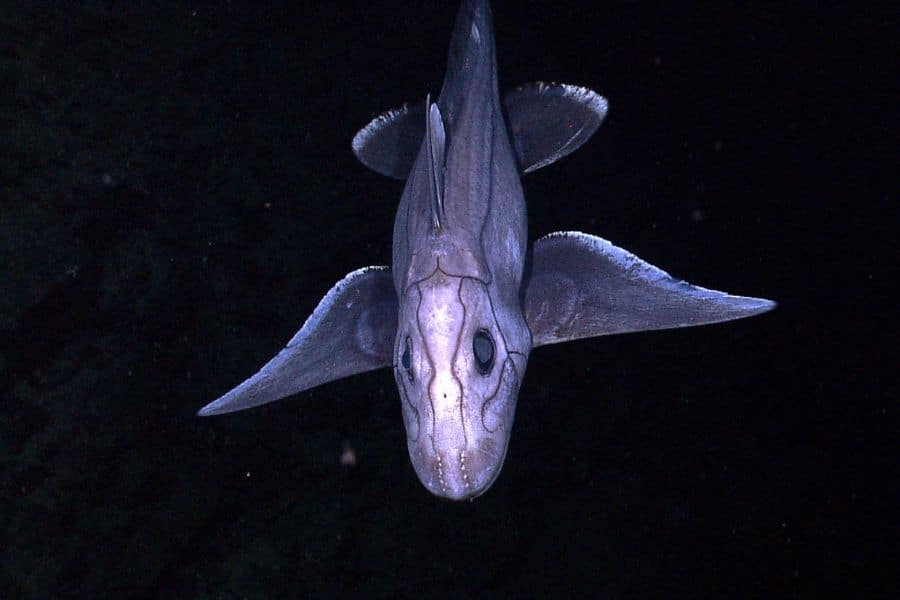
More people have been to the moon than to the deepest place in the ocean. In fact, nobody has set foot there. Yes, James Cameron has descended to the Mariana Trench, but in a submarine. The truth is that only submarine vehicles venture to those depths, the majority of which are remotely operated. And that’s how photographs are taken in the abyssal trenches: using an ROV (remotely operated vehicle) with thick walls to withstand the pressure and an automatic camera. But since going beyond 10000 m/32808ft is expensive, slow, and reckless, these vehicles usually stay at around 4500 m/14764ft, which is still quite deep.
These submersible robots are equipped with a localization system, high-resolution 4k or higher scientific cameras, and a frightening zoom capability, in addition to carrying powerful LED lights. Typically, they record more videos than deep-sea photographs. After all, if they’ve descended to that depth, everything should be documented, I suppose!
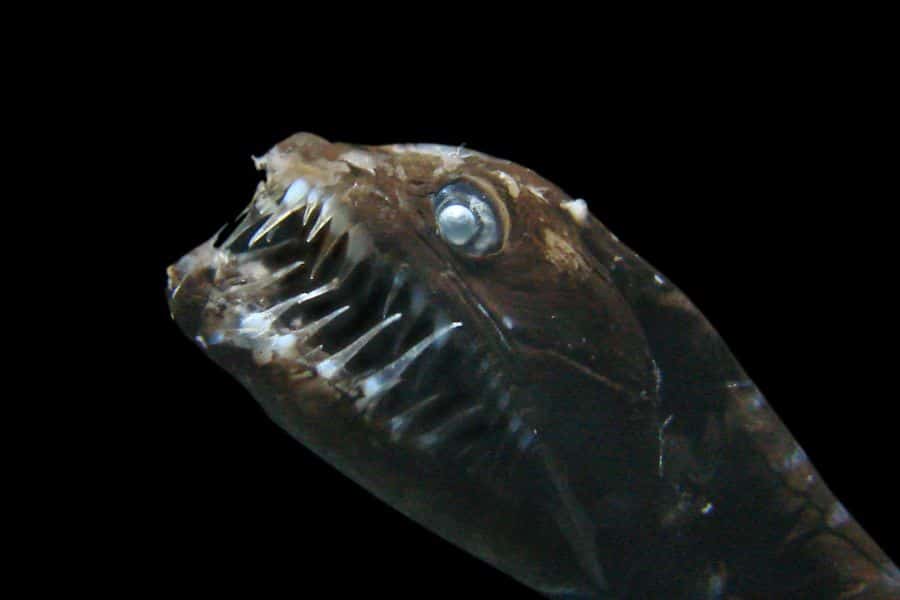
Apart from the strong pressure and absence of light, the devices encounter other challenges. For example, biological density decreases as depth increases. As if that weren’t enough, creatures of the deep sea are usually elusive and have behaviors adapted to an excessively demanding environment. Capturing their natural behavior and getting close enough for detailed shots can be a challenge.
For all these reasons, deep-sea photographs are scarce, and those that exist are not meant to be beautiful but rather to document and study the ecosystem of the deep sea.
Deep-sea photography provides valuable information about the biodiversity and ecology of the ocean depths, helping us to better understand and appreciate this important and fragile ecosystem.
2. Caribbean Sea Photography Gallery
2.1. Alex Ruiz (video and deep-sea photography in the Riviera Maya)
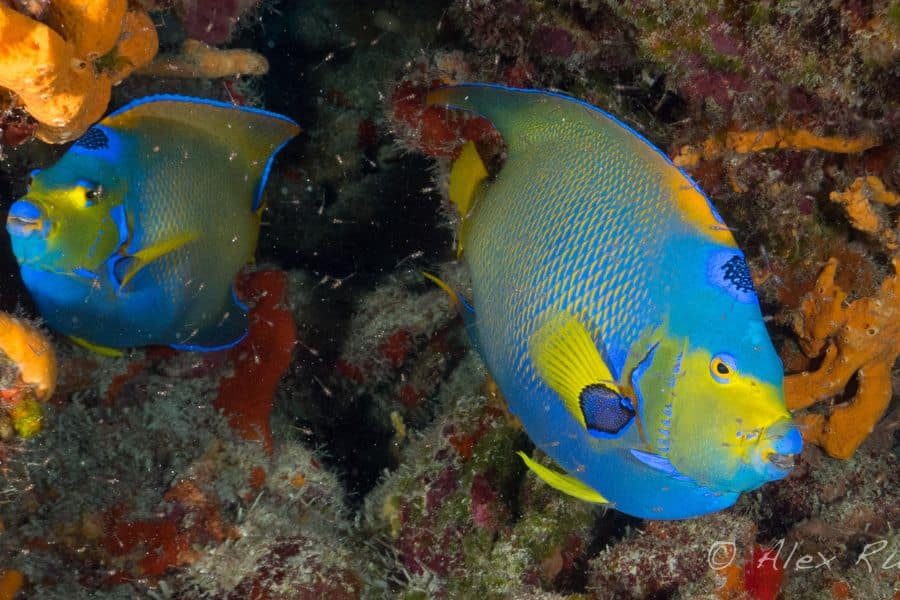
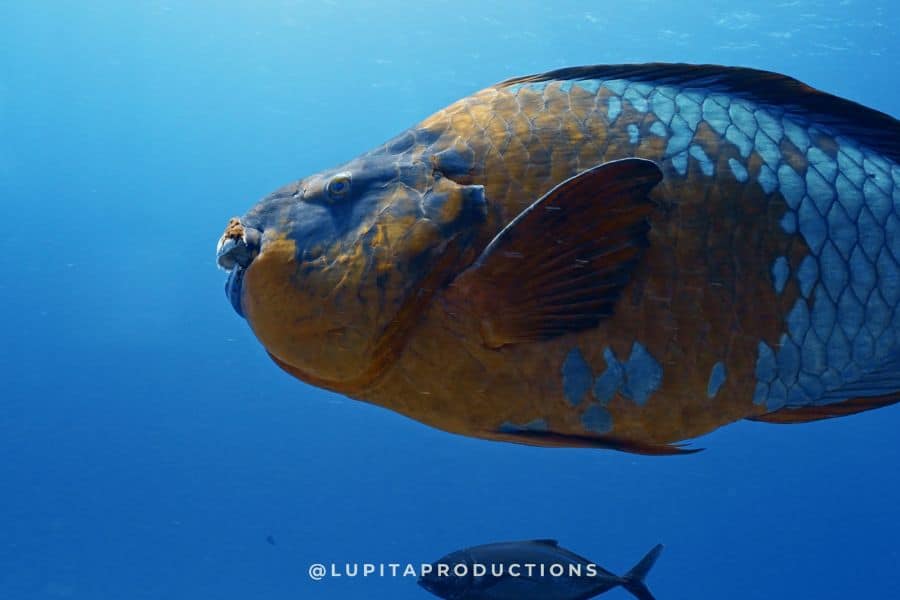
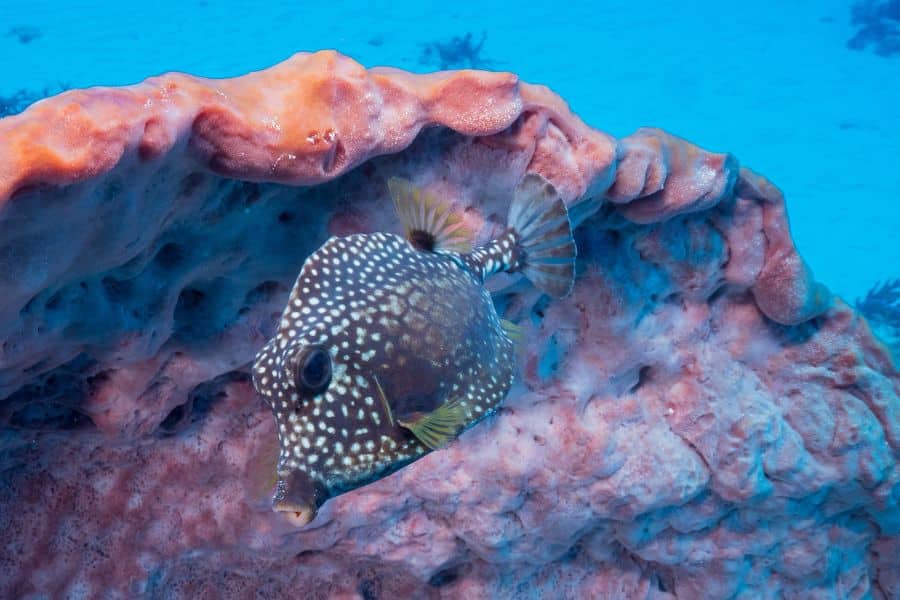
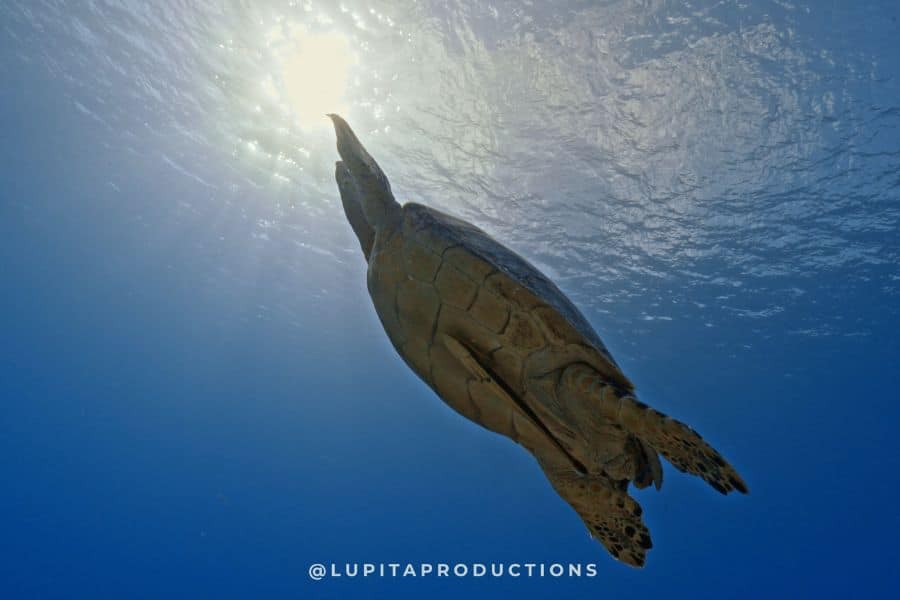
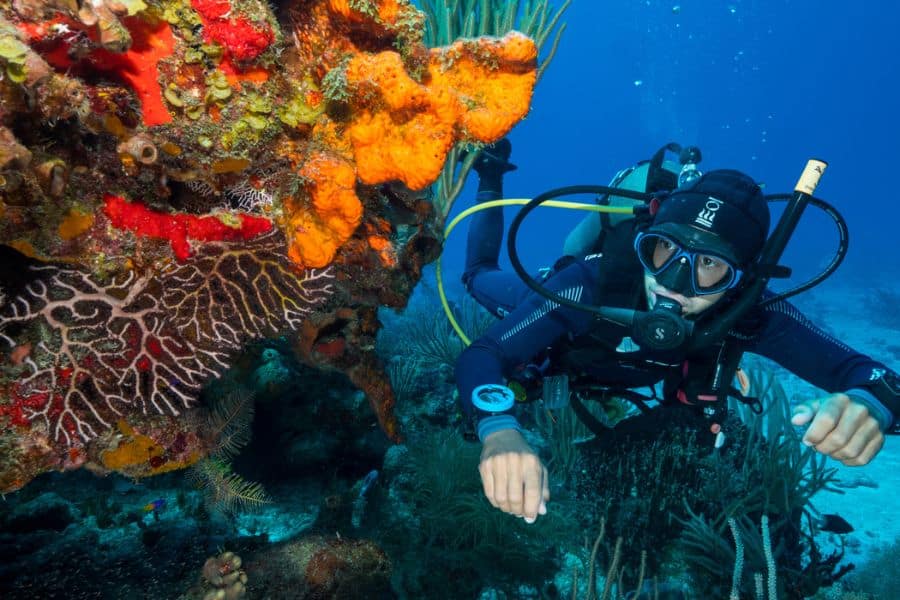
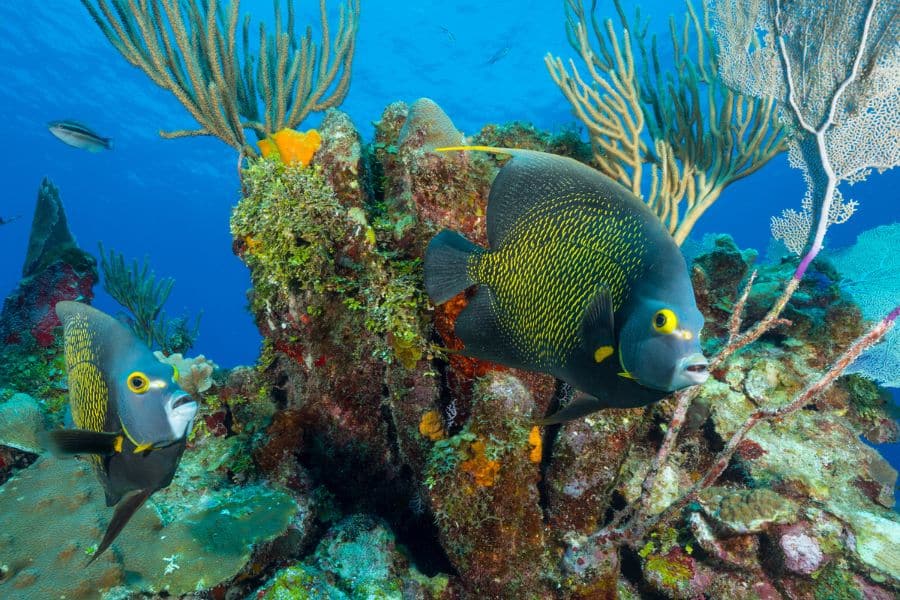
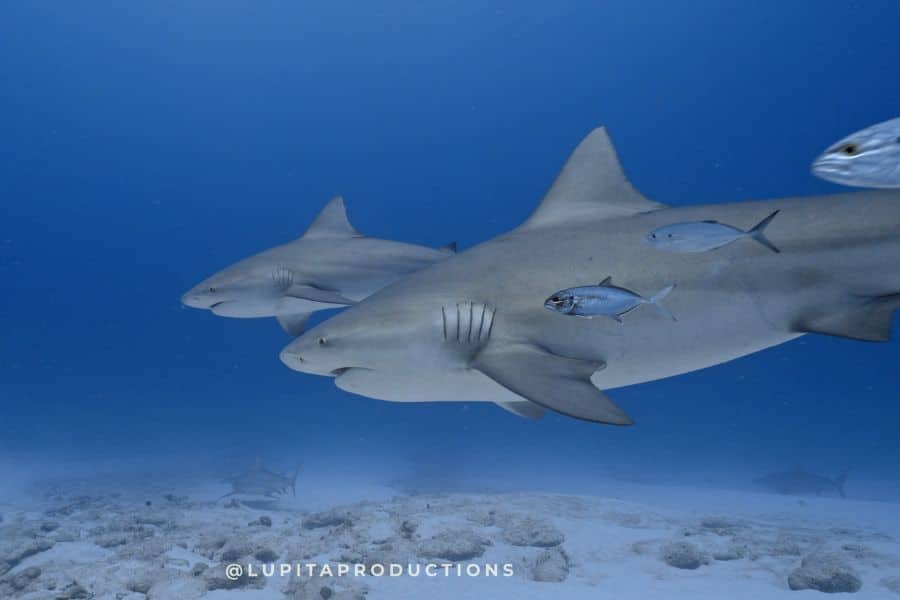
Dive into a world of wonder with Alex Ruiz’s Caribbean Sea pictures. With his help, we take you on a unique journey through the most stunning images of the depths of the Riviera Maya and Cozumel. From fascinating creatures to dreamy underwater landscapes and cenotes. His Caribbean Sea photos capture the essence of the Riviera Maya in its full splendor
Alex has been the lead videographer and photographer for Dressel Divers for the past 20 years. Practically 80% of the photos of the Mexican seabed you see on our website are his work. For years, he and his wife Sandra have provided us with deep-sea photographs. Thank you, Alex, for such fantastic work. If you want to see more of his work, follow him on Instagram @lupitaproductions. Meanwhile, we leave you with a sample below.
2.2. Catalina Velasco (photos of the deep sea to raise awareness)
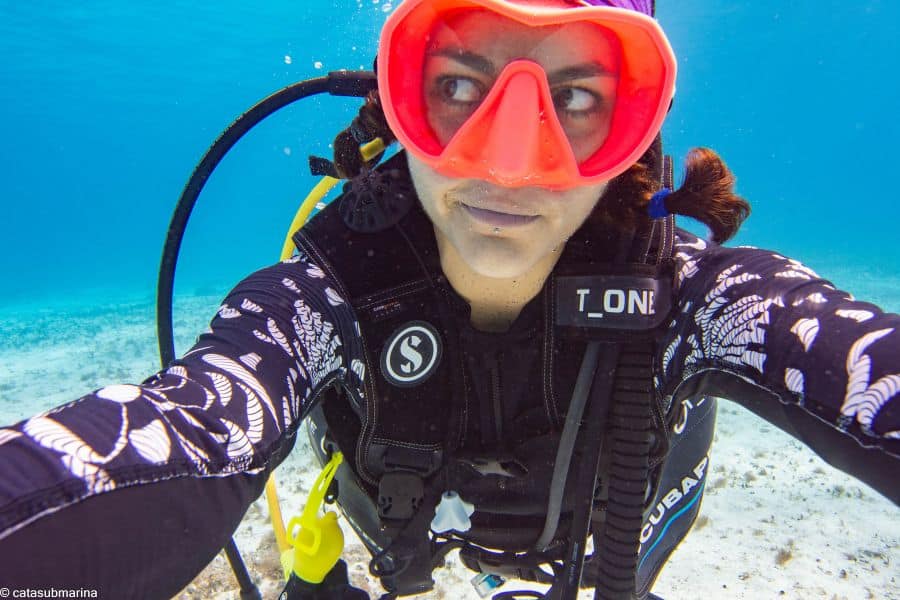
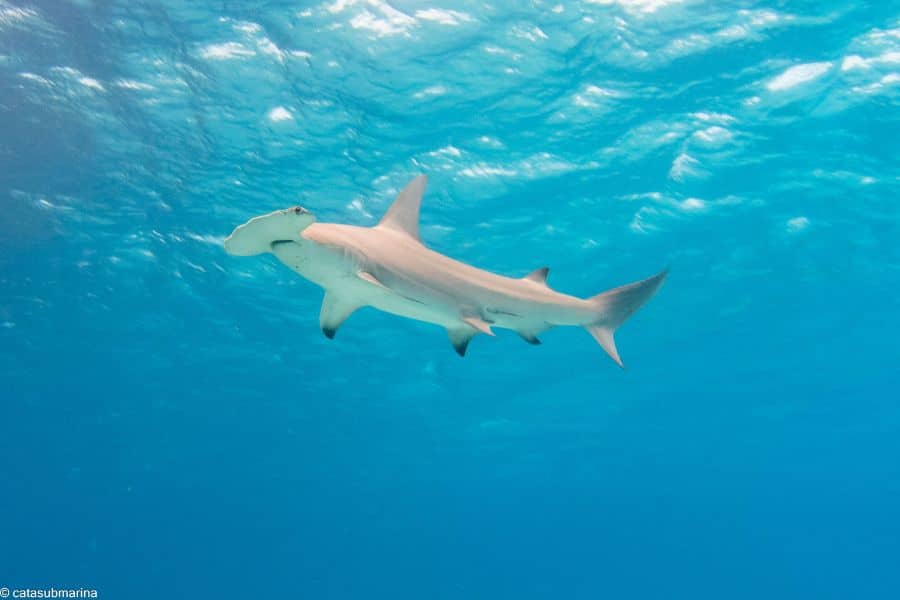
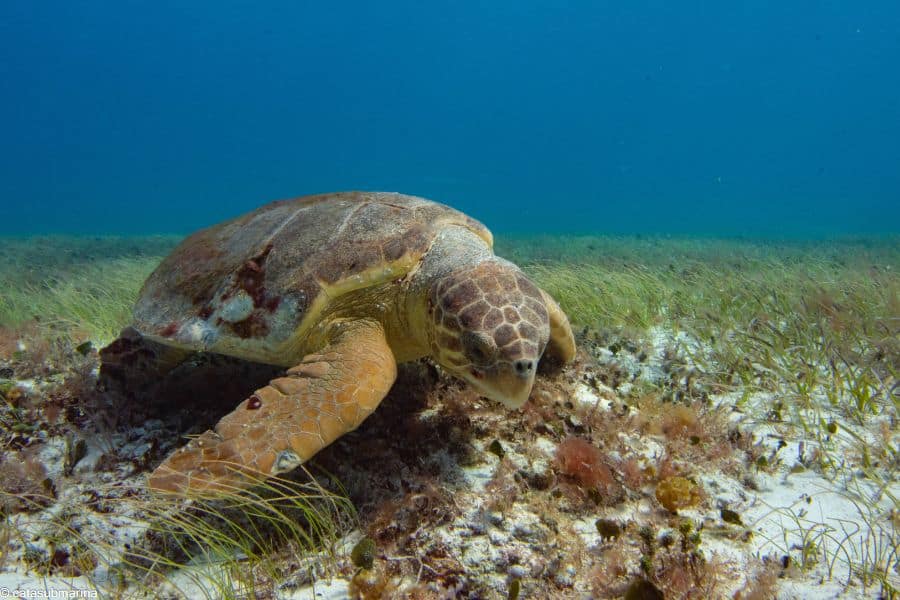
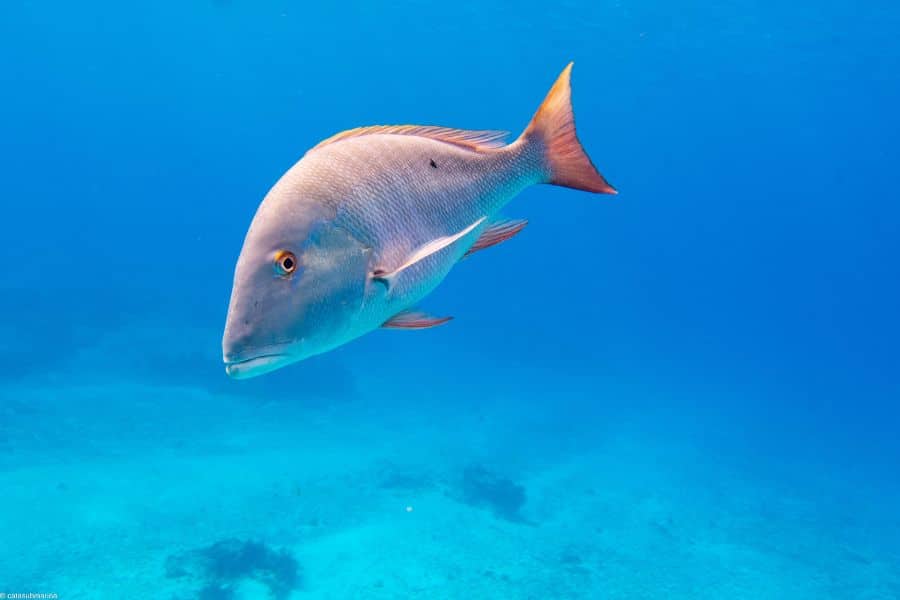
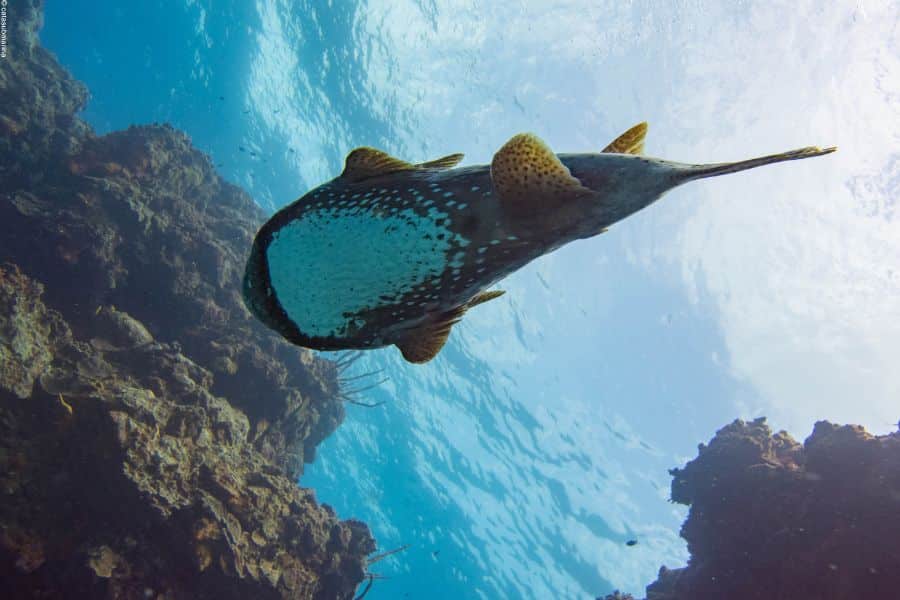
This Chilean marine biologist is passionate about the ocean and an explorer for National Geographic. Cata not only researches but also photographs the underwater beauty to show it to the world and help others discover deep-sea creatures and learn to love them. Her dream is for everyone to know, value, and fight for ocean conservation. You can follow her on her social media @catasubmarina and enjoy some of her photos and videos of the deep ocean.
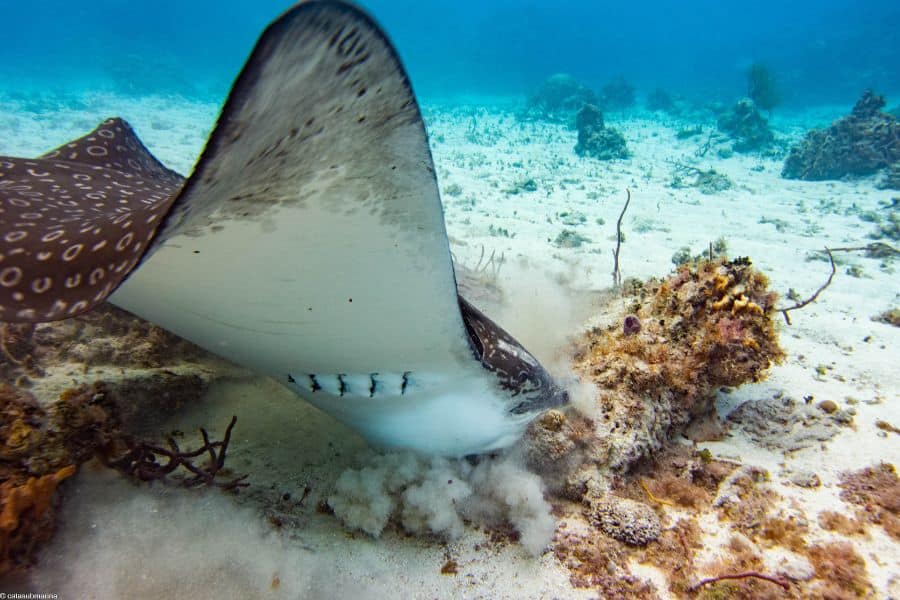
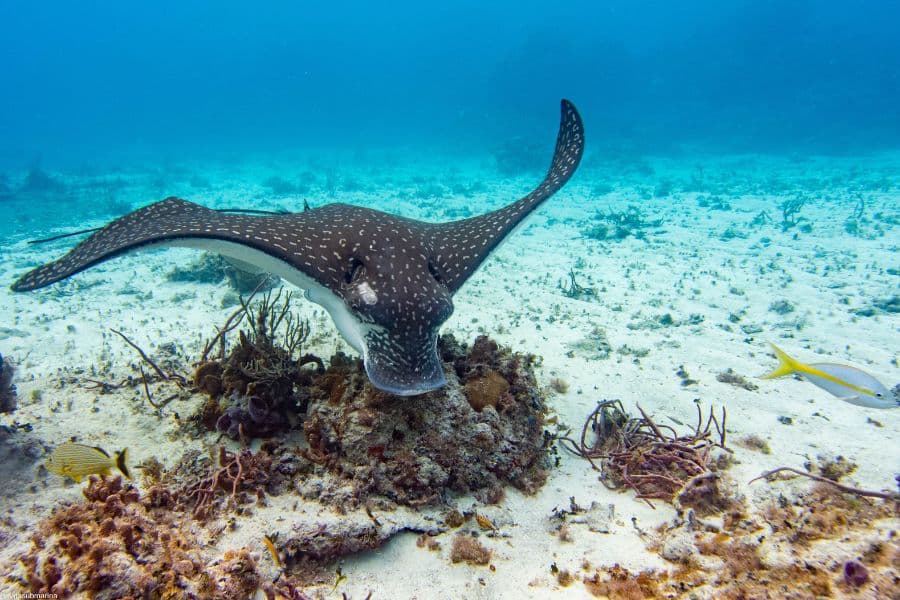
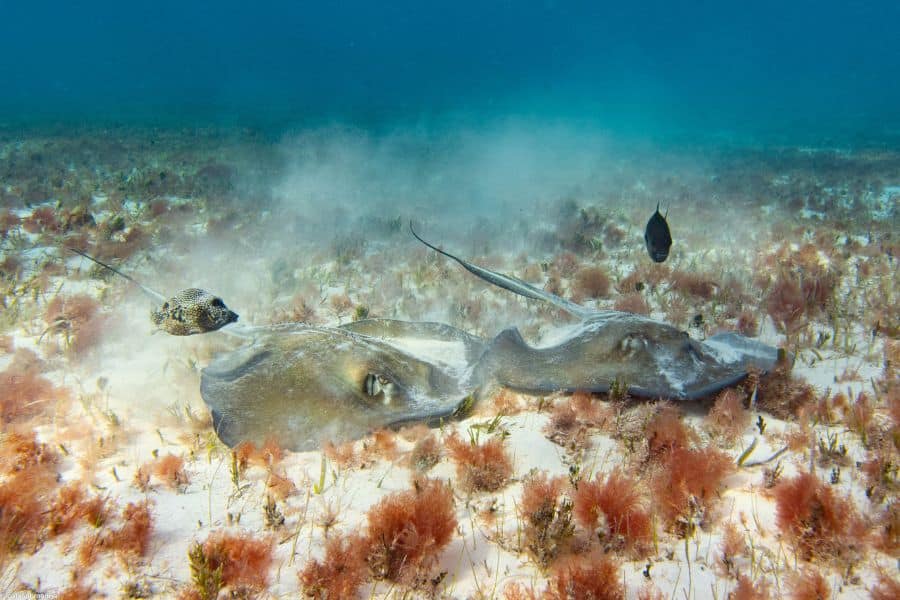
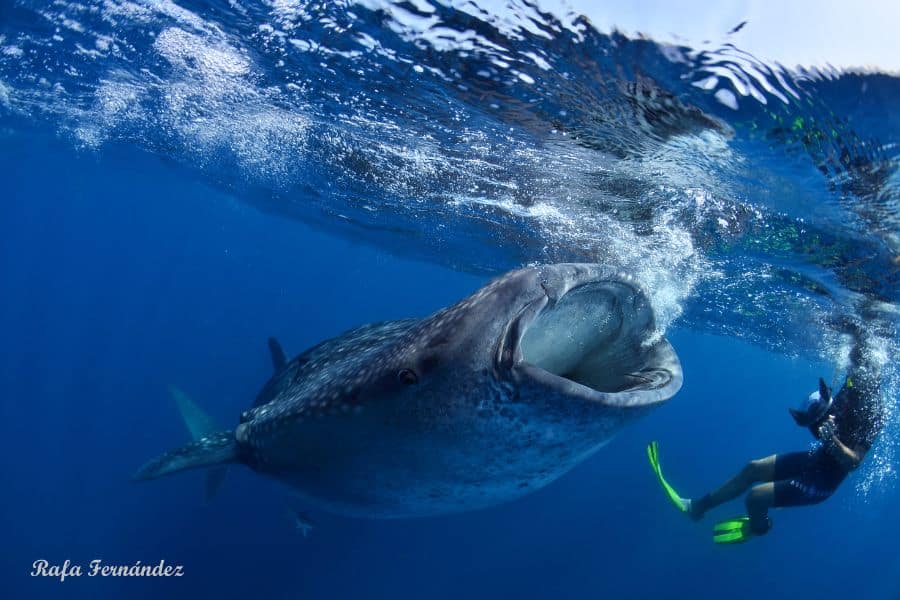
2.3. Rafael Fernández (champion of the pictures of the deep sea)
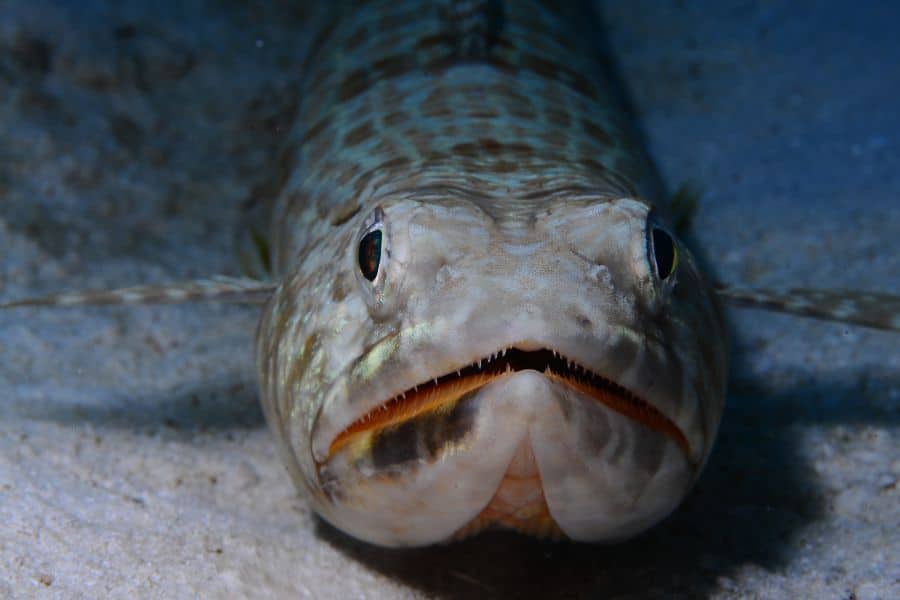
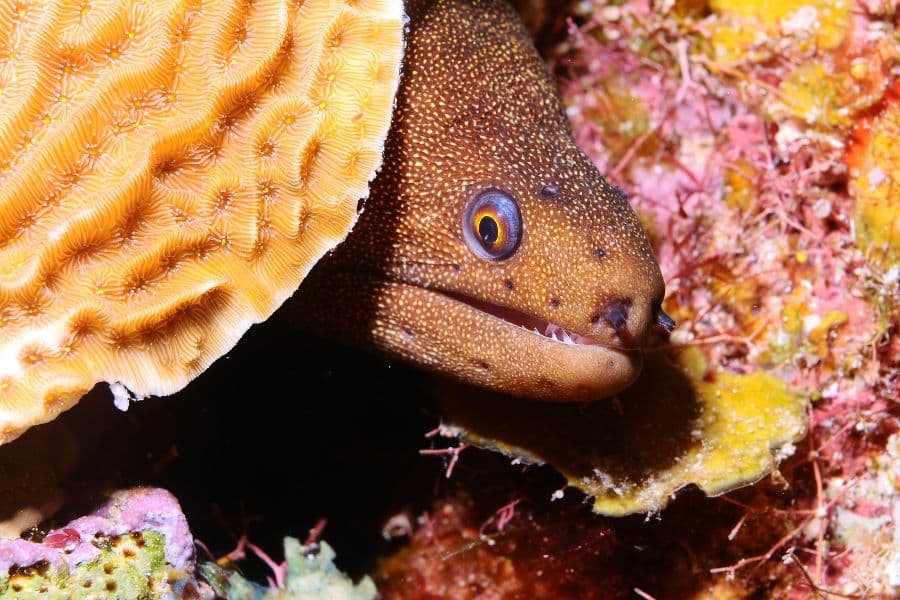
At just 23 years old, Rafa Fernández was already the world and European champion in underwater photography. It’s clear that this Energy and Industrial Organization Engineer fell in love with the depths of the ocean and gifts us with beautiful images. At Dressel Divers, we are fortunate to count him among our friends. He has given us permission to use some of his pictures of the deep sea taken in Cozumel. But if you want to see more photographs of the depths of the sea, follow Rafa on his social media. You’ll find him with the nickname @rafafdezjr.
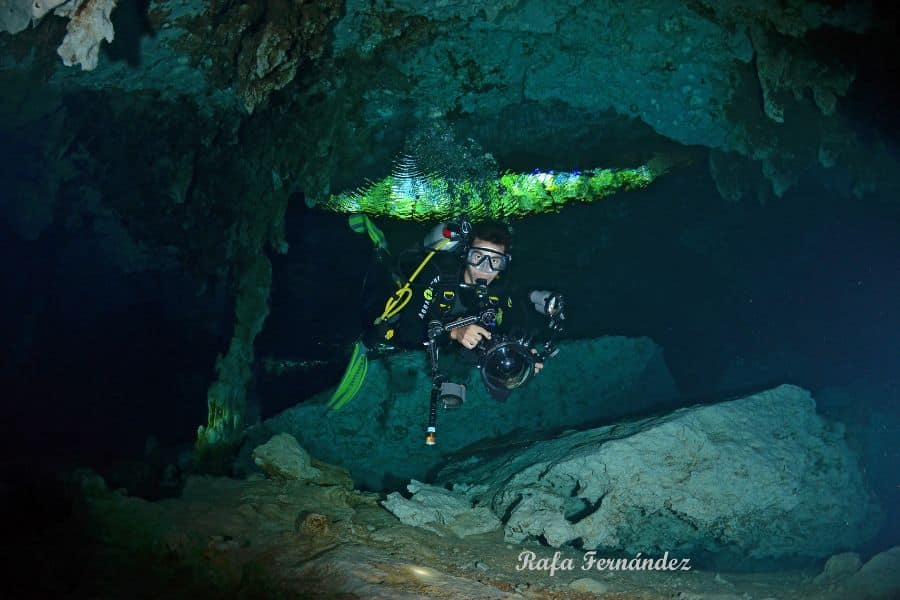
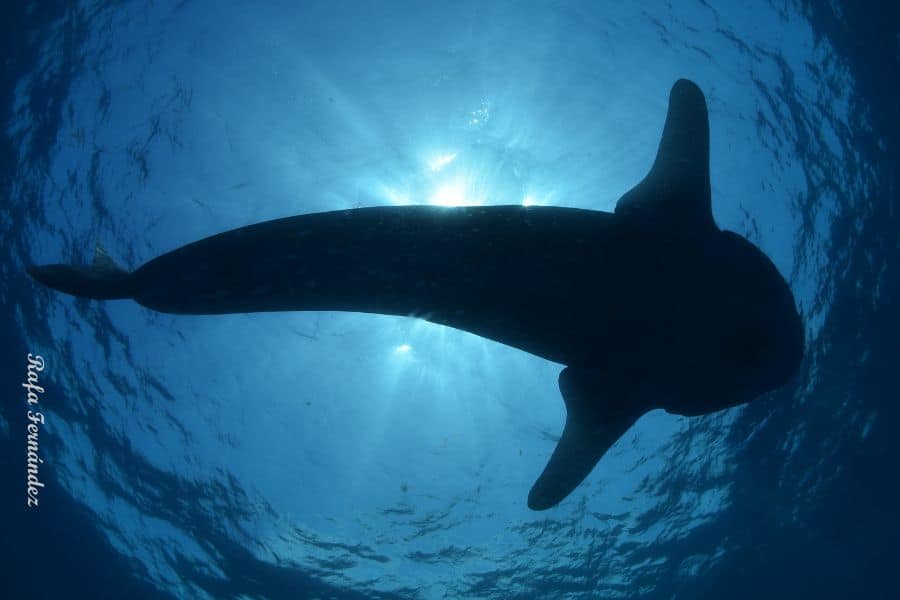
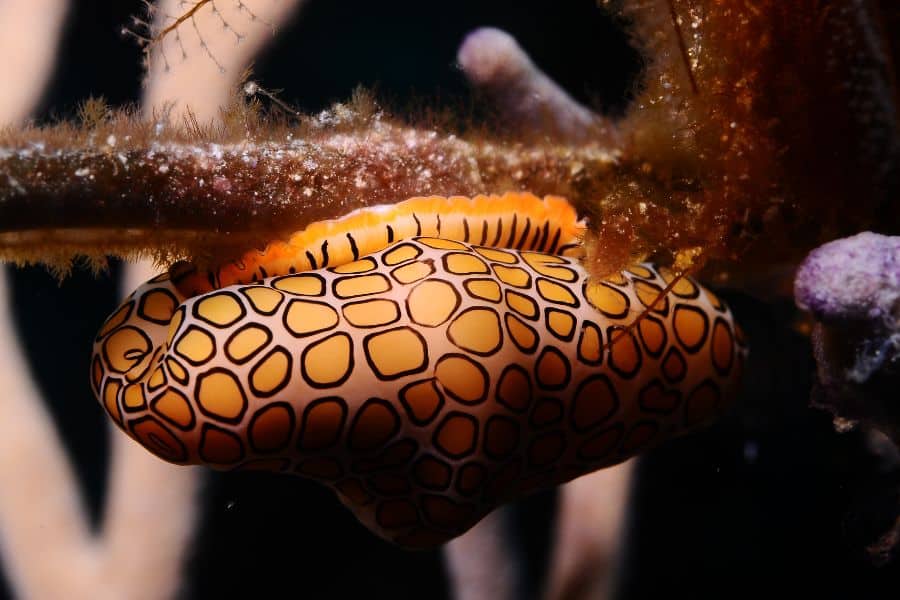
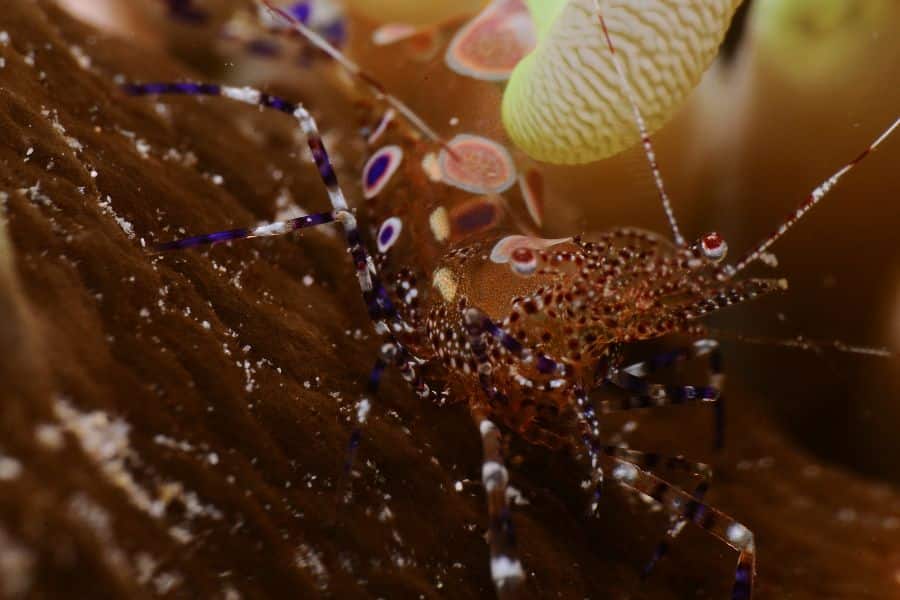
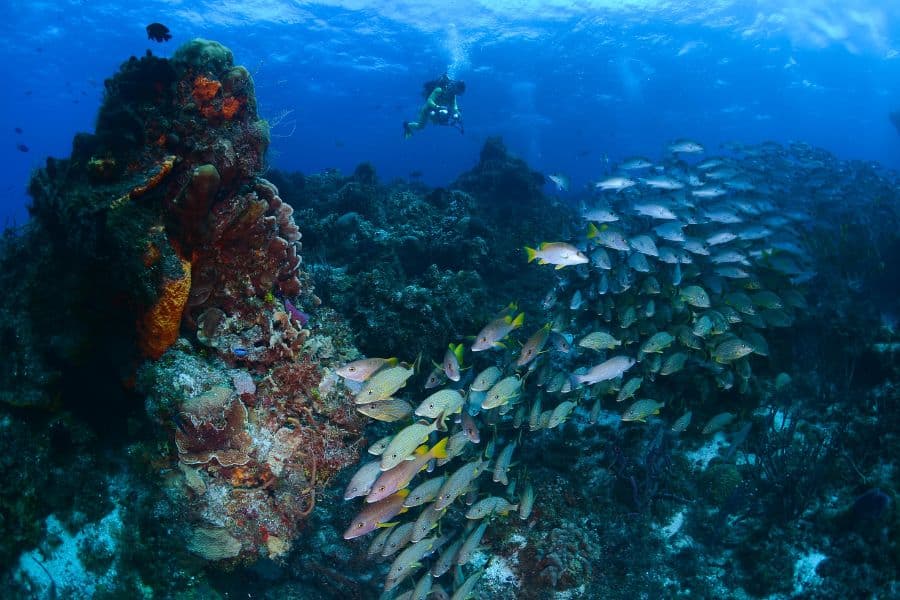
2.4. A new vision in images of the deep sea
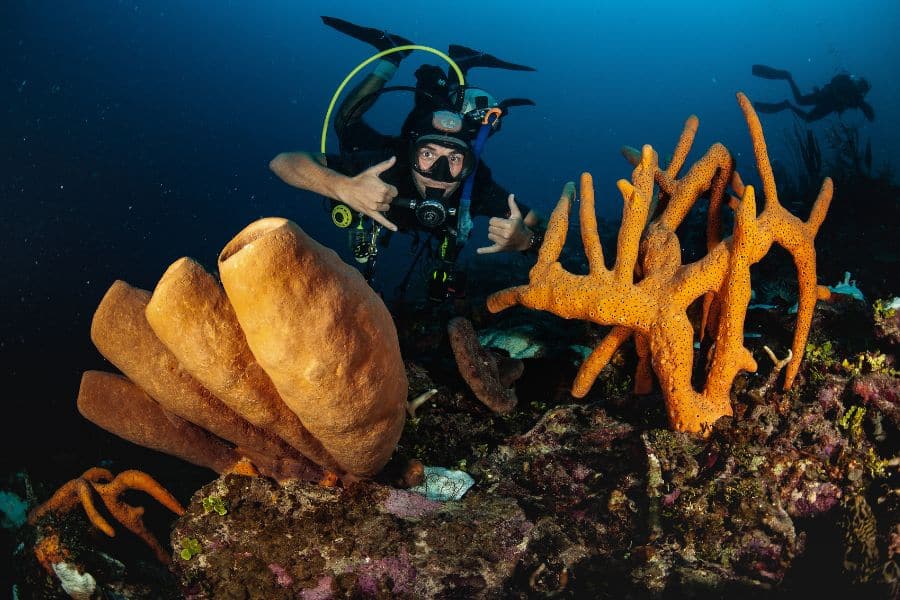
Our new partner is a Brazilian Photographer and Dive Instructor who started in underwater photography in 2009, during this time he has been offering wonderful images of the deep ocean from a unique perspective to all his clients, imbuing the pictures with his personal touch. With each photo, he invites us to discover deep-sea creatures that defy imagination and arouse curiosity. His photographs of the depths of the Caribbean Sea in Jamaica are a treasure you can enjoy in our articles and the gallery below.
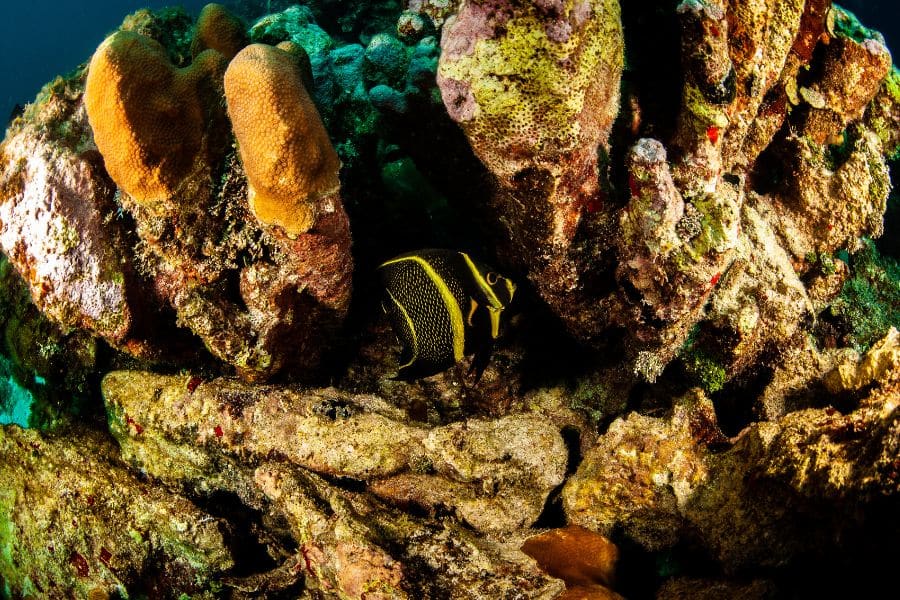
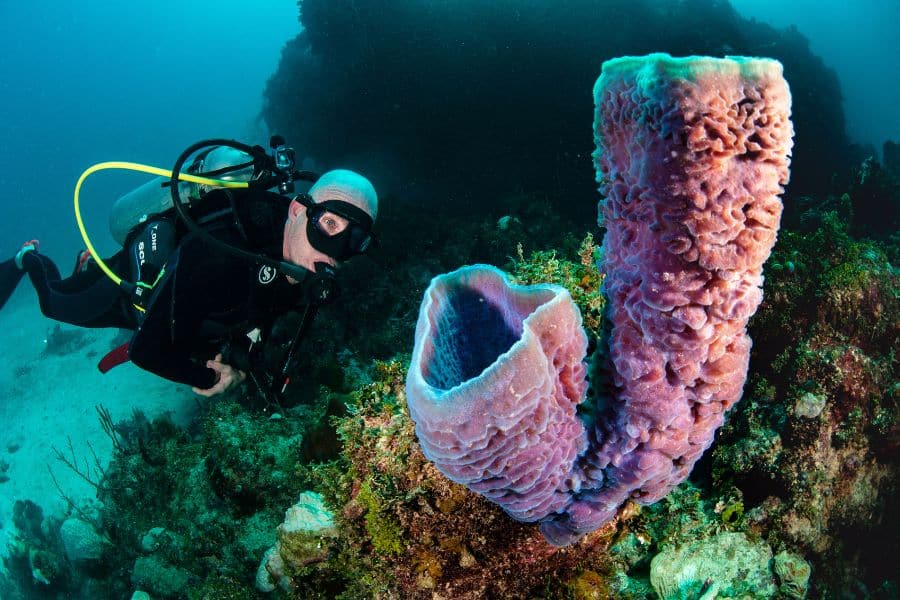
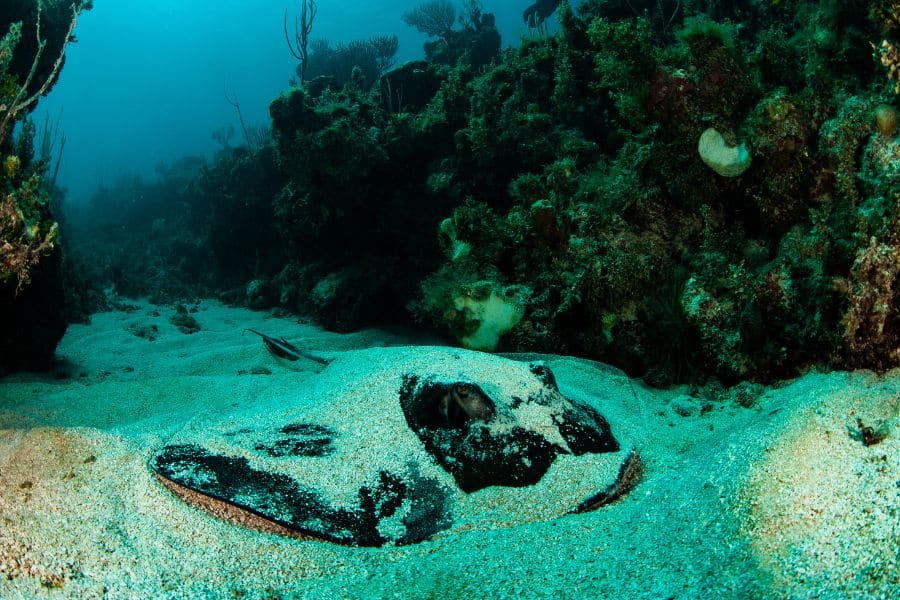
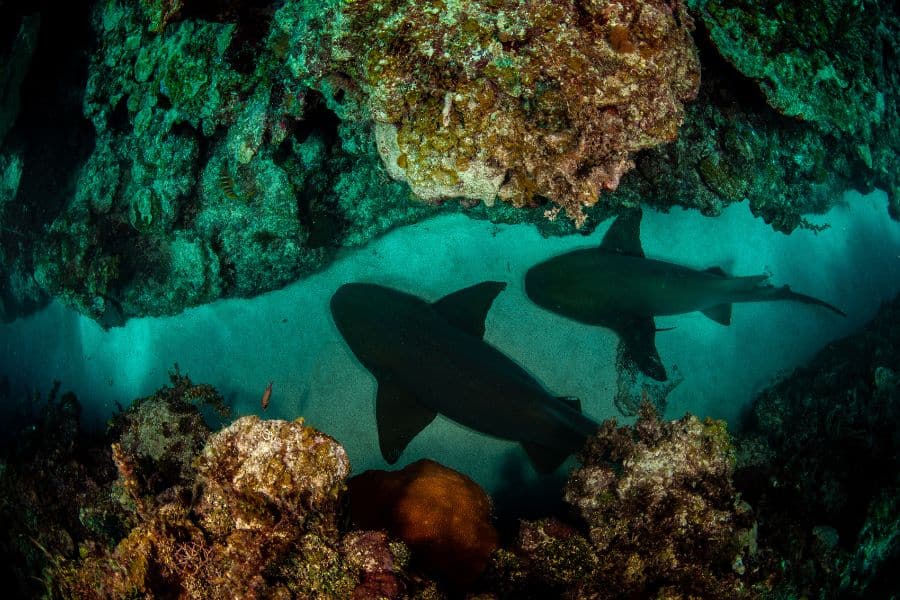
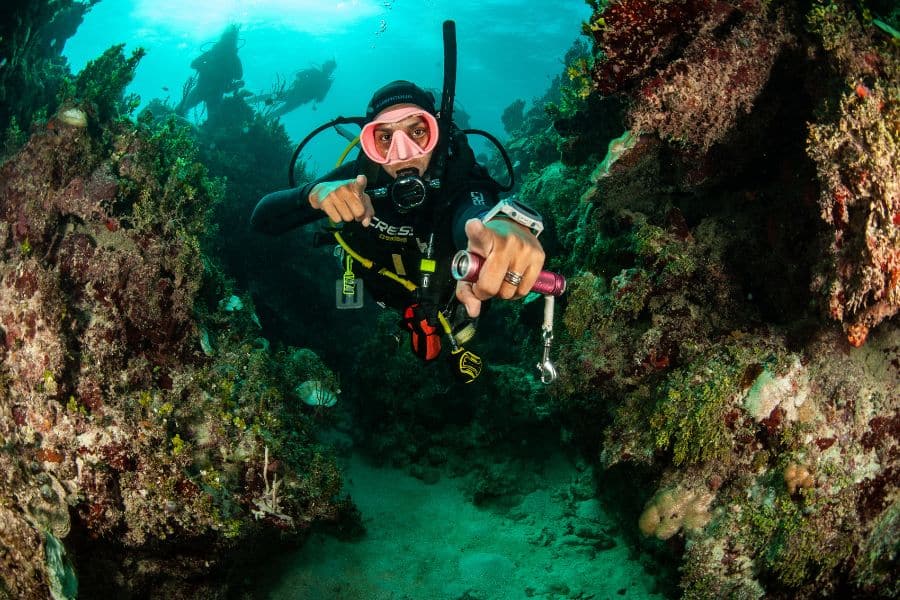
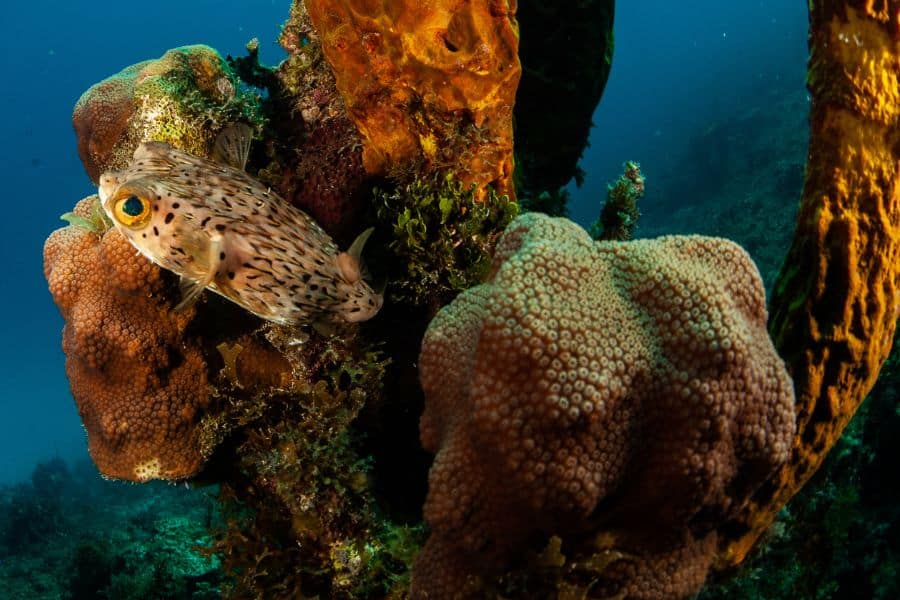
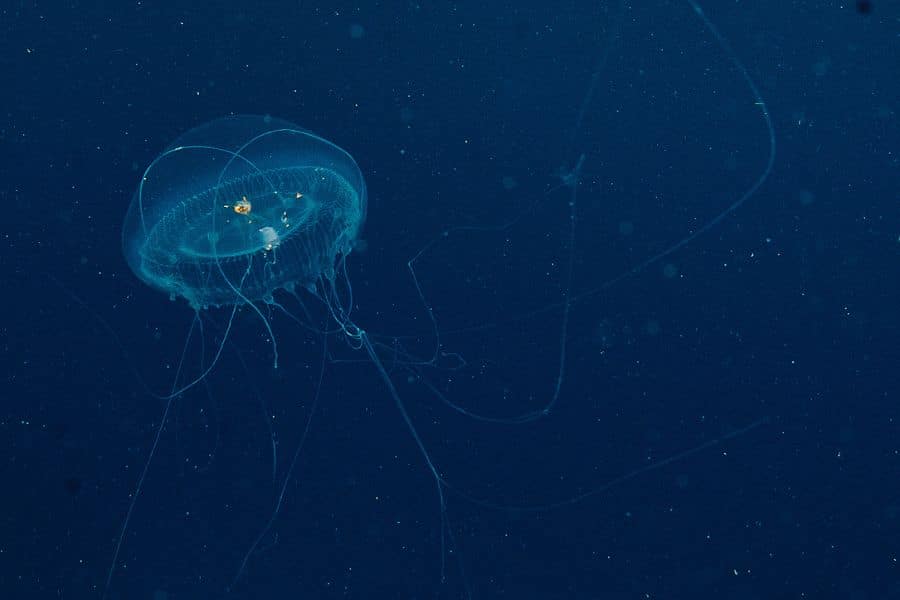
We are aware that with each of our deep-sea photographs, we show you a world of underwater wonders. And we do it because we want you to come and see them for yourself. Write us and discover the hidden beauties in the depths of the Caribbean Sea!
CONTACT US FOR
PERSONALIZED ASSISTANCE
Send your inquiries
We have you covered
GET 20% OFF
Exclusive discounts just for online bookings