Scuba Diving Etiquette (5) etiqueta en el buceo
Scuba Diving Etiquette: The Complete Guide to Diving Right
28/04/2026
free-flowing regulator - regulador en flujo continuo
Free-Flowing Regulator: What It Is, Why It Happens, and How to Handle It Underwater
06/05/2026
Show all

Sea Turtle Nesting Season: What, When, and How

The sea turtle nesting season has begun! Get ready to witness one of nature’s most wild and thrilling spectacles!

Key points for 2026–2027:

  • Peak season: generally from May to October in the Atlantic and Caribbean, although some species, like the loggerhead turtle, nest year-round in specific regions.
  • Main destinations: Florida (90% of U.S. nesting), Riviera Maya (Mexico), Sipadan (Malaysia), and Bonaire (record of 149 nests in 2025).
  • Ethical goal: maintain a distance of 50 yards and avoid using white light to prevent nest abandonment and hatchling disorientation.
  • Citizen science: volunteers help achieve hatching success rates of over 75% through nest protection and data collection.

Get ready to witness one of nature’s most thrilling spectacles!
A warm night.
The sound of the sea gently lapping against the shore. All is calm. Suddenly, something breaks the peace. A silhouette rises from the waves—slow, powerful. You’re not watching a movie. This is real. And the best part… it’s happening right now.

Thousands of turtles arrive from the depths. They follow an instinct that has been etched into their DNA for centuries.

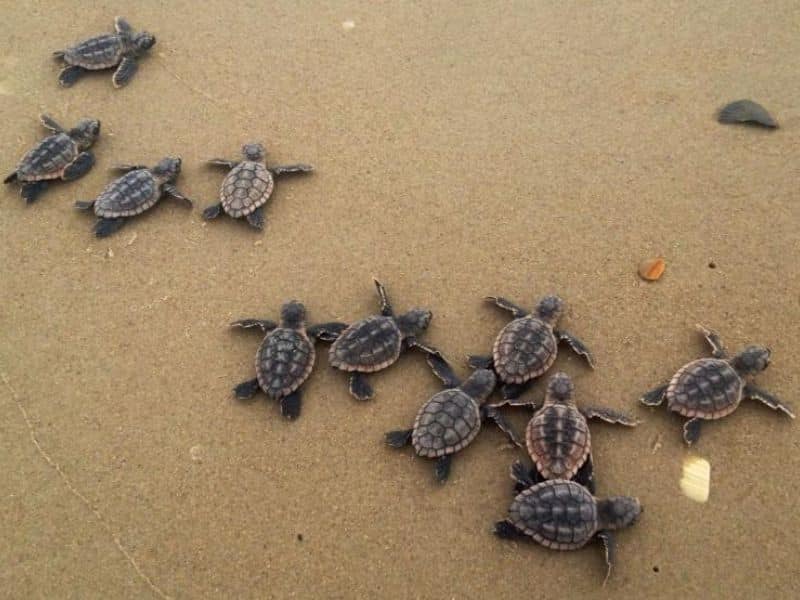
Loggerhead turtles meticulously digging their nests, or tiny green sea turtles desperately racing to save the life they’ve just begun—this is a critical moment, not only for them but for an entire ecosystem that depends on their survival.

Want to know when? Where? What do you need to do to experience it? Well, keep reading—that’s what I’m going to tell you in just a minute.

Sea Turtle Nesting Season (2) La temporada de anidación de tortugas marinas

1. What Is Sea Turtle Nesting Season? (Quick Explanation)

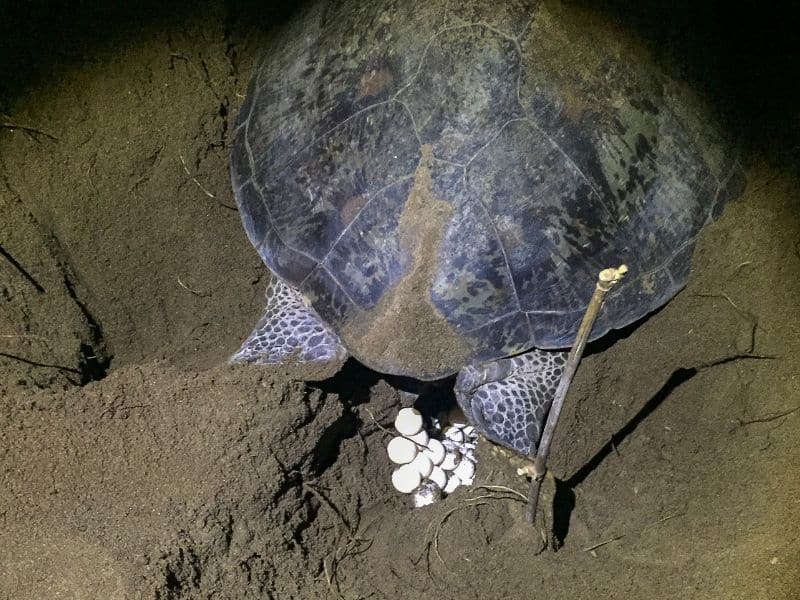
Sea turtle nesting season is the time of year when female sea turtles come ashore on sandy beaches to lay their eggs. During this period, turtles dig nests in the sand, deposit between 80 and 200 eggs, cover them carefully, and return to the ocean while the eggs incubate naturally for about 45 to 70 days.

The exact timing depends on the species and location, but in many tropical regions nesting occurs between March and November, with peak activity between May and October.

For nature lovers, divers, and marine wildlife enthusiasts, this season offers a rare opportunity to witness one of the ocean’s most ancient and fascinating reproductive cycles.


2. The Sea Turtle Nesting Process Step by Step

Understanding how sea turtles nest helps you appreciate how extraordinary this event really is.

  1. Arrival on the Beach

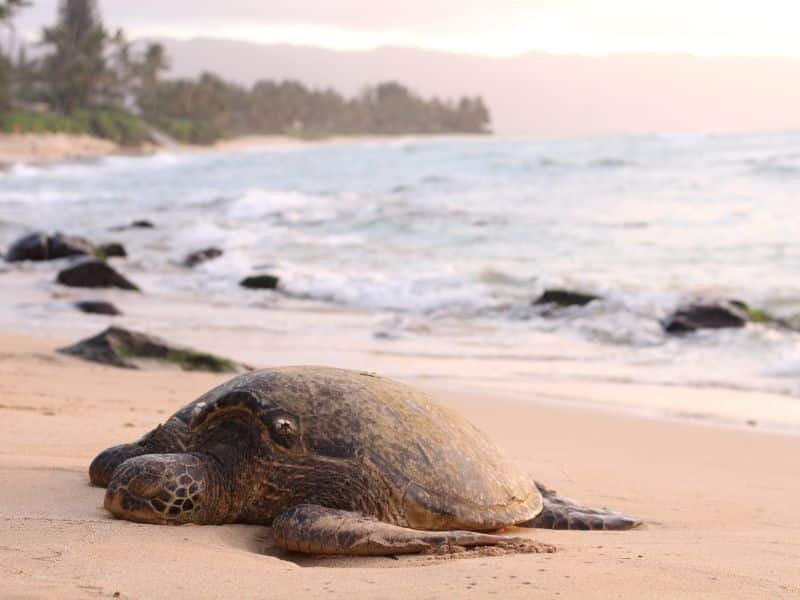
Female turtles leave the ocean, often at night, to search for a safe place on the beach.

  1. Digging the Body Pit

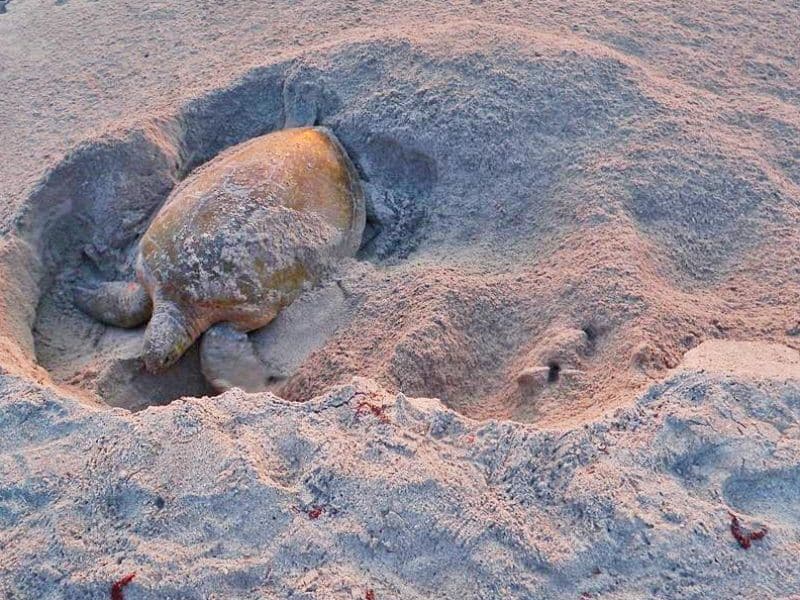
Using their powerful flippers, they dig a shallow body pit in the sand where they will lay their eggs.

  1. Egg Laying

Most sea turtles lay 80–120 eggs per nest, though some species can lay up to 200.

  1. Incubation

The eggs remain buried in warm sand for about 45–70 days.

  1. Hatchling Emergence

When the hatchlings are ready, they emerge from the nest together and instinctively race toward the ocean.

This incredible cycle has been repeated for millions of years.

Sea Turtle Nesting Season (5) La temporada de anidación de tortugas marinas

3. Sea Turtle Nesting Season: Dates and Locations

This is where things get exciting. Talking about the sea turtle nesting season means diving into a secret world, one that happens when almost no one is watching. For months, the beaches you know transform. They become a wild stage where life and survival play out daily.

Depending on the species and the location, the nesting season follows the rhythm of an invisible clock, perfectly synchronized. The nesting season usually lasts from March to November along the Atlantic coast, although most take place between May and October.

For example, Florida is home to 90% of sea turtle nesting in the United States. And the Gulf of Mexico, another globally important turtle nesting site, where loggerhead turtles reign. They arrive from May to August, and the hatchlings make their run to the ocean between July and October. It’s a fascinating cycle: eggs beneath the sand, silent incubation, and then an explosion of life racing toward the sea. It all happens like an ancient ritual, season after season.

Green turtles also have their moment. Less frequent, but equally impressive, they nest from March to November. And if you’re lucky, you might see one of the giant leatherback turtles or the rare Kemp’s ridley turtles.

Here’s a summary table for you.


Destination Turtle Species Key Feature Highlights
Bonaire, Caribbean Loggerhead, Green, Hawksbill High site fidelity Record 149 nests in 2025
Jupiter, Florida Loggerhead Massive density Up to 52 turtles in one dive
Sangalaki, Indonesia Green Year-round nesting Guaranteed sightings every dive
Kyparissia, Greece Loggerhead Mediterranean hub Critical focus on ALAN mitigation
  • Best Places to See Sea Turtle Nesting in Mexico

Several coastal regions around the world host important nesting beaches.

Riviera Maya

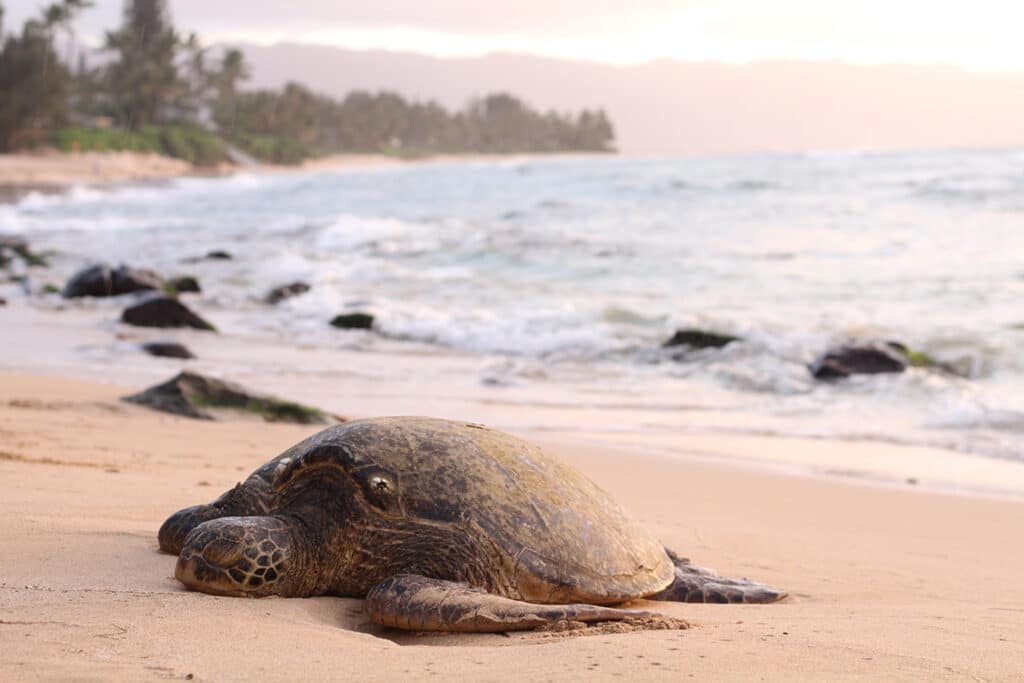
The beaches of the Riviera Maya are one of Mexico’s most important nesting areas for the Loggerhead sea turtle and the Green sea turtle.

Cozumel

Known worldwide for scuba diving, the island is also an important nesting area for green and loggerhead turtles.

Puerto Aventuras

Protected beaches and conservation programs make this area one of the safest nesting environments for turtles along the Caribbean coast.

Puerto Vallarta

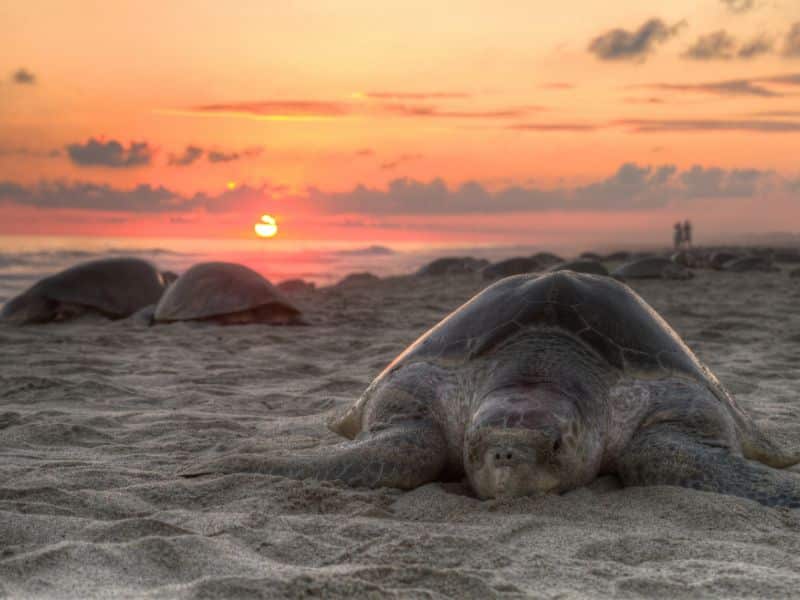
On Mexico’s Pacific coast, the beaches near Puerto Vallarta host nesting populations of the Olive ridley sea turtle.


  • When to See Turtle Nests and Hatchlings in Mexico
Location Species Sea Turtle Nesting Season
Puerto Aventuras / Riviera Maya Loggerhead, Green, Hawksbill, Leatherback May to September (Nesting); July to November (Hatchling)
Puerto Vallarta Olive Ridley, Green June to September
Mazunte / Oaxaca Coast Olive Ridley (Peak Nesting) July to January (Peak: Sep-Dec)
Cozumel / Yucatán Loggerhead, Green May to November


4. Can You See Sea Turtles While Diving During Nesting Season?

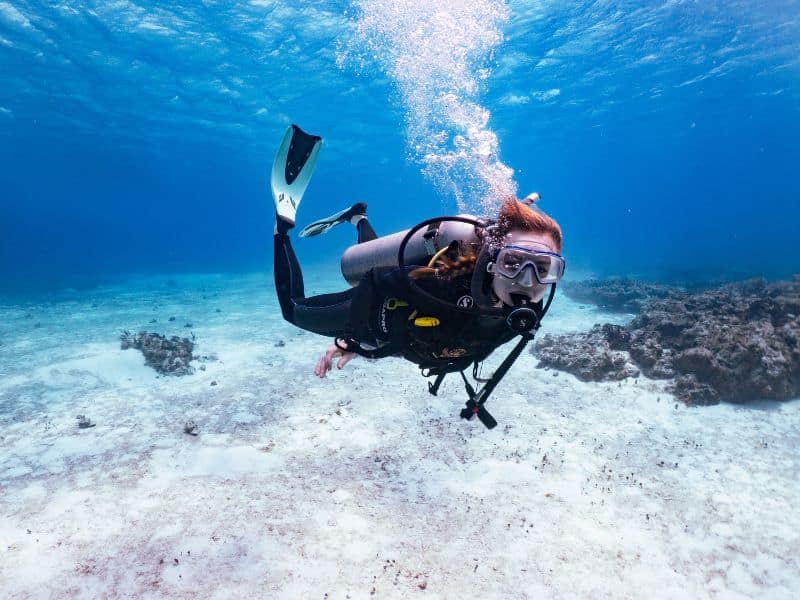
For scuba divers, the sea turtle nesting season is often one of the most exciting times of the year.

Female turtles frequently remain close to coastal reef systems before and after nesting, which increases the chances of encountering them underwater. Divers exploring reefs near nesting beaches often report seeing turtles feeding, resting, or swimming slowly along the reef.

This makes the nesting season particularly special for marine wildlife encounters.

Sea Turtle Nesting Season (8) La temporada de anidación de tortugas marinas

5. Marine Turtle Species and Their Nesting Habits

Let’s explore sea turtle nesting habits, focusing on the fascinating loggerhead, hawksbill, and green turtles.

Loggerhead Turtle: Smarter Than You Think
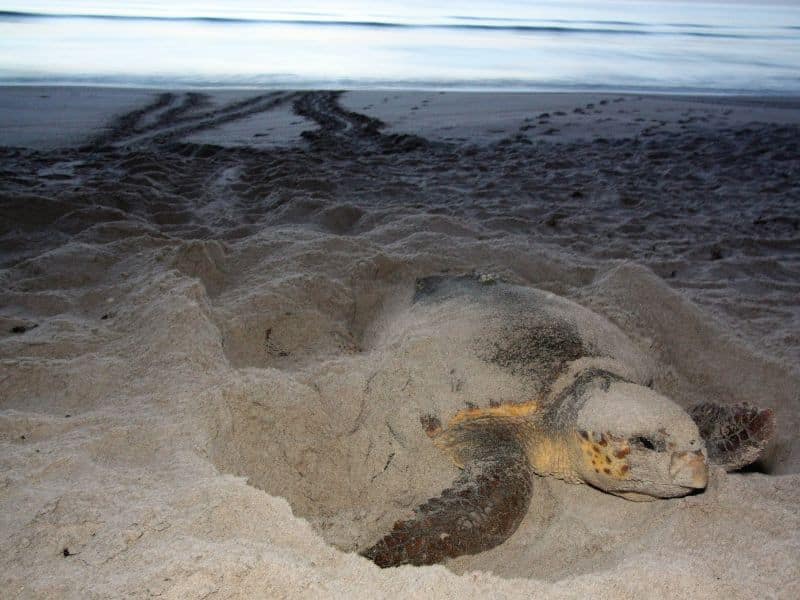
Under the silver glow of the moon in Puerto Aventuras, a female loggerhead turtle drags her body across the sand, leaving a trail of zigzag grooves behind her. This isn’t just a stroll; it’s a mission.

After finding the perfect spot, she begins digging a nest with her powerful flippers. She lays between 65 and 180 eggs in a single clutch, then covers them with sand before slipping back into the ocean.

During the internesting period, these females stay close to the shore but can perform remarkably long dives of up to 292 minutes to conserve energy between nesting attempts.

Green Turtle: The Herbivore
A female green turtle returns to nest on the very same beach where she was born. This extraordinary journey, called “natal homing,” is repeated every two to three years. After traveling vast distances, she’s back home, ready to fulfill her destiny. She can lay between 75 and 200 eggs at a time, returning to the ocean after covering her nest.

Nesting at night reduces the risk of overheating. If the temperature of a green turtle nest exceeds 86°F (30°C), the hatchlings will be female—a critical factor in the face of climate change.

Hawksbill Turtle: Nesting Without Losing Elegance
Every hawksbill nesting season arrives with its colorful shell and graceful presence. Citizen scientists identify them by the prefrontal scales on their head—two pairs—compared to the single pair on green turtles.

They use their flippers to dig a hole in the sand, where they lay 140 to 200 eggs. After approximately 60 days, the tiny hatchlings emerge. They use a process called “Social Facilitation,” digging together synchronously to emerge from the sand faster and avoid predators.


6. Sea Turtle Nesting Facts

Some fascinating facts about sea turtle nesting include:

  • A female turtle can lay up to 7 nests in one season
  • Each nest contains 80–120 eggs on average
  • Eggs incubate for 45–70 days
  • Only 1 in 1,000 hatchlings survives to adulthood
  • Some turtles travel thousands of kilometers to return to the beach where they were born 
Sea Turtle Nesting Season (7) La temporada de anidación de tortugas marinas

7. What Does a Sea Turtle Nest Look Like?

Imagine the salty breeze brushing your face as you stroll along the beach. Suddenly, you come across a small bump in the sand. What could it be? It might be a sea turtle nest, and it’s crucial to recognize it to help protect these vulnerable species.

Identifying a Sea Turtle Nest

You’re walking along the beach at sunset, the sand still warm beneath your feet. Suddenly, you stop. Is that… a turtle nest?

At first, you might not notice it, but once you know what to look for, it’s like discovering a hidden treasure.

Physical Appearance

A sea turtle nest looks like a small mound of sand, similar to a poorly made sandcastle. After a female turtle’s visit, a slight depression or bump remains on the surface. These nests are often easy to overlook, especially if they blend in with the surrounding sand.

Signs to Watch For

  1. Tracks in the Sand:The most obvious clue is the trail of tracks left by the turtle as she emerges from and returns to the ocean. These tracks resemble large marks and are the first sign that a nest has been made.
  2. Nest Location:Always look above the high tide line on sandy beaches. Turtles prefer to nest in open areas with minimal vegetation.
  3. Appearance of the Eggs:Freshly laid eggs are usually white and round, about the size of golf balls.
  4. Post-Hatching Signs:After the hatchlings emerge, the nest may show signs of activity, such as small holes where the newborn turtles crawled out. The broken eggshells typically remain inside the sand. A successful nest won’t have scattered eggshells, indicating that the hatchlings have made their way to the ocean without leaving traces.


8. What are the biggest threats to nesting success?

  • Vulnerability: Human activity like beach development and pollution are major stressors. In Mexico, research has identified over 22 specific stressors, including marine noise pollution and boat strikes, which account for 28% of sea turtle mortality in some regions.
  • ALAN (Artificial Light at Night): This is a critical deterrent. Light from hotels disorients hatchlings, leading them away from the ocean toward roads or predators. Choose “Turtle-Friendly” hotels that use shielded, low-wattage, or red-wavelength lighting

The Importance of Protecting Turtle Nests

Protecting the nests is vital for the survival of sea turtles. Why? Here are a few key reasons:

Egg Vulnerability: The eggs are a delicacy for predators such as raccoons, birds, and crabs. Additionally, human activities like beach development and pollution threaten their safety.

Survival of Hatchlings: The journey from the nest to the ocean is perilous. Hatchlings face predators, artificial lights that disorient them, and obstacles on the beach. Protecting the nests significantly increases their chances of reaching the water.


  • What to do if you see a sea turtle nest with eggs?
    Don’t even think about touching it! What you have in front of you is a nest during the sea turtle nesting season—a natural incubator protected by state and federal laws. What’s the best thing you can do? Observe from a safe distance without touching, and if you need more information, call the nearest conservation center. They will know what to do. You just watch the scene.


  • What to do if you see a sea turtle laying eggs?
    Feel the excitement in the air. But please, don’t get too close. The last thing we want is to scare the future mama. Stay calm and keep quiet. No lights. No loud noises. Sea turtle nesting is a fragile, delicate process—a ritual that has been repeated for millions of years—and your presence should be invisible. She knows what she’s doing and needs tranquility. It’s her moment, and your role here is to be just a respectful observer.


  • What if I find a hatchling struggling to get out of the nest?
    This is where nature takes charge. It may be tempting to help, I know. But resisting that temptation is crucial. Even if it seems like it needs help, it is illegal to intervene. The little ones must make the journey from their nest to the ocean on their own. It’s part of their natural process, and every effort counts. If you intervene, you could do more harm than good. The struggle makes them strong. It’s part of the survival journey.


  • Who should I contact if I see an injured or stranded sea turtle?
    If you see a turtle or hatchling that appears injured or in trouble in Mexico, you can contact the Ministry of Environment and Natural Resources(SEMARNAT) or local wildlife rescue organizations operating in the area. They can provide guidance and assistance for stranded or injured sea turtles.


  • Can I take photos with a red flashlight while turtles are nesting at night?
    While it may seem like a great idea, photographing turtles during the sea turtle nesting season at night is prohibited without permission. Flashlights, even red ones, can disturb them. If you really want to capture the moment, do it with your memories, not with a camera. This way, you’ll be protecting these creatures during their delicate nesting process. 
Sea Turtle Nesting Season (6) La temporada de anidación de tortugas marinas

9. The Importance of Protecting Turtle Nests

Protecting the nests is vital for the survival of sea turtles. Why? Here are a few key reasons:

Egg Vulnerability: The eggs are a delicacy for predators such as raccoons, birds, and crabs. Additionally, human activities like beach development and pollution threaten their safety.

Survival of Hatchlings: The journey from the nest to the ocean is perilous. Hatchlings face predators, artificial lights that disorient them, and obstacles on the beach. Protecting the nests significantly increases their chances of reaching the water.

  • What to do if you see a sea turtle nest with eggs?
    Don’t even think about touching it! What you have in front of you is a nest during the sea turtle nesting season—a natural incubator protected by state and federal laws. What’s the best thing you can do? Observe from a safe distance without touching, and if you need more information, call the nearest conservation center. They will know what to do. You just watch the scene.
  • What to do if you see a sea turtle laying eggs?
    Feel the excitement in the air. But please, don’t get too close. The last thing we want is to scare the future mama. Stay calm and keep quiet. No lights. No loud noises. Sea turtle nesting is a fragile, delicate process—a ritual that has been repeated for millions of years—and your presence should be invisible. She knows what she’s doing and needs tranquility. It’s her moment, and your role here is to be just a respectful observer.
  • What if I find a hatchling struggling to get out of the nest?
    This is where nature takes charge. It may be tempting to help, I know. But resisting that temptation is crucial. Even if it seems like it needs help, it is illegal to intervene. The little ones must make the journey from their nest to the ocean on their own. It’s part of their natural process, and every effort counts. If you intervene, you could do more harm than good. The struggle makes them strong. It’s part of the survival journey.
  • Who should I contact if I see an injured or stranded sea turtle?
    If you see a turtle or hatchling that appears injured or in trouble in Mexico, you can contact the Ministry of Environment and Natural Resources(SEMARNAT) or local wildlife rescue organizations operating in the area. They can provide guidance and assistance for stranded or injured sea turtles.
  • Can I take photos with a red flashlight while turtles are nesting at night?
    While it may seem like a great idea, photographing turtles during the sea turtle nesting season at night is prohibited without permission. Flashlights, even red ones, can disturb them. If you really want to capture the moment, do it with your memories, not with a camera. This way, you’ll be protecting these creatures during their delicate nesting process.


10. How to Support Sea Turtle Conservation?

If you feel that spark to help these majestic creatures, here are several ways to get involved. Let’s do this together!


Volunteering Opportunities

  • Join a Conservation Program:Look for trusted organizations that offer volunteering programs focused on sea turtles. You will not only learn about the turtle nesting season but also make a tangible difference in their survival.
  • Participate in Local Initiatives:Many coastal communities have conservation groups that organize beach cleanups and educational activities. Your energy can make a difference on your own beach!


Donation Programs

Not everyone can dedicate time, but we can all help. Consider donating to organizations that fight for sea turtle conservation.

  • Choose a Trusted Organization:Research and select an NGO dedicated to sea turtle conservation. Initiatives like Billion Baby Turtles or programs that reduce plastic waste on nesting beaches are just a few examples.


Stay Informed and Spread Awareness

Commitment doesn’t end with volunteering or donating. Staying informed and sharing knowledge is crucial for sea turtle conservation. Here are some ways to do it:

  • Subscribe to Newsletters:Many organizations offer newsletters that will keep you updated on their efforts and events. Don’t miss the chance to stay informed!
  • Follow Them on Social Media:Engage with conservation programs on social platforms. Following organizations like the Sea Turtle Conservancy or SEE Turtles will allow you to learn about their initiatives and share their content, helping to raise awareness.
  • Educate Others:What you learn about sea turtles can inspire others. Share your knowledge at community events or on social media. Every voice counts!

So, if you feel that passion for sea turtle conservation, now is the time to act. The turtle nesting season is critical, and your support can make a difference. Volunteering, donations, and spreading awareness are steps we can all take.

Sea Turtle Nesting Season (1) La temporada de anidación de tortugas marinas

11. Frequently Asked Questions About Sea Turtle Nesting

How long is sea turtle nesting season?

Sea turtle nesting season usually lasts between 4 and 8 months, depending on the region and species.

How many eggs does a sea turtle lay?

Most sea turtles lay 80–120 eggs per nest, although some species can lay up to 200.

How long do sea turtle eggs take to hatch?

Sea turtle eggs typically hatch after 45 to 70 days.

Do sea turtles return to the same beach?

Yes. Female turtles often return to the same beach where they were born, a behavior known as natal homing.

How does sand temperature affect hatchling sex?
Sea turtle sex depends on nest temperature, not genetics. Nests above 86°F (30°C) mostly produce females, while nests below 82°F (28°C) tend to produce males. Climate change poses a serious threat to population balance.

Why must hatchlings crawl to the sea?
Crawling helps hatchlings imprint on their natal beach using magnetic and chemical cues, allowing them to return decades later to nest. It also strengthens their lungs and muscles for the swim to deeper water.

Can red light be used for night photography?
Turtles are less sensitive to red light than white, but any light can disturb them. Use red filters only if necessary and very briefly (max 1 second per long exposure). Flash is strictly forbidden, as it can cause nesting females to abandon eggs or disorient hatchlings.

SUBSCRIBE TO OUR NEWSLETTER

    I consent to receiving commercial communications and promotions from Dressel Divers.