Symbiotic Relationships (4) Relaciones simbióticas en el océano
Symbiotic Relationships in the Ocean: 15 Examples & Where to Dive Them
02/09/2026
Show all

Glowing Sea Creatures: 20+ Shining Marine Animals

Cover Your Dive Light. Watch the Ocean Wink at You.

Picture this. You’re underwater. Total darkness. You cover your dive light against your wetsuit, keeping it safely within reach.

For a second, you see nothing. Then, tiny blue sparks start appearing all around you.

That’s the moment you fall in love with glowing sea creatures.

From the surface to the deepest trenches, the ocean is basically one giant light show.

To give you an idea, scientists have divided marine animals into groups, or phyla. There are 31, and 14 of them contain glowing marine creatures or animals capable of producing light. That’s a whole lot of glow.

Now, you won’t find every glowing marine animal on a night dive. And not every marine animal that glows is bioluminescent. Nor do all the famous glowing creatures live within reach of recreational divers.

Let’s break it all down. No science-class lecture, I promise.

1. What Exactly Are Sea Creatures That Glow?

Simple version: sea creatures that glow are ocean animals that can make or show off visible light underwater.

They do it two totally different ways.

  • Bioluminescence: the animal cooks up its own light, chemically, from the inside.
  • Fluorescence: the animal absorbs light from outside, then bounces it back in a new color.

Same glow-y result. Completely different party trick.

Bioluminescence: The Ocean’s DIY Light Show

Bioluminescence is light made from a chemical reaction happening inside a living creature. Scientists call it “cold light.” Almost zero heat, almost 100% of the energy turned straight into light.

Here’s the recipe:

  • Luciferin — a light-up molecule
  • Luciferase — an enzyme that speeds up the reaction
  • Oxygen — the spark that sets it off

Mix them together and boom: photons. Visible light. No batteries required.

And it’s not rare. This trick has evolved independently at least 94 separate times across life on Earth. The ocean just really, really likes making its own light.

Fluorescence: Borrowed Light, Remixed

Fluorescence is a different animal. Literally.

Fluorescent sea creatures don’t cook up light from a chemical reaction. Instead, they soak up blue or UV light from the sun (or your dive torch), then re-emit it as a brand-new color. Think neon green, hot pink, electric yellow.

Cover the beam of your dive light, and a fluorescent coral goes completely dark. No external light in, no glow out. That’s the giveaway.

2. Do Glowing Sea Animals All Make Their Own Light?

Nope. Marine biologists split bioluminescence into three flavors:

  • Autogenic: the animal makes its own luciferin and luciferase, in-house, no help needed.
  • Bacteriogenic: the animal rents out light organs to glowing bacteria (usually Vibrio or Photobacterium), who do the glowing in exchange for room and board.
  • Dietary: the animal can’t make luciferin at all, so it eats something that already has it, then recycles the glow.

So next time someone says a fish “glows,” you can ask: does it glow on its own, or is it basically wearing a bacteria costume? Both counts as glowing sea animals, for the record.

3. Why Do Sea Creatures Glow, anyway?

Short answer: survival. Long answer: it’s basically the ocean’s whole toolkit for staying alive in the dark.

  • Hunting — luring dinner closer with a glowing lure
  • Defense — flashing, startling, or straight-up confusing predators
  • Communication — talking to your own species in total darkness
  • Mating — flirting with light instead of words
  • Camouflage — vanishing by matching the light above you

Hunting: Glow Now, Eat Later

Down where sunlight can’t reach, some predators fish with light instead of hooks.

The deep-sea anglerfish dangles a glowing lure right above its jaws. Dragonfish and viperfish wave glowing barbels like little flashlights, tempting curious prey to swim just a bit closer. Bad move for the prey.

Defense: Flash, Confuse, Escape

  • Burglar alarms: the jellyfish Atolla wyvillei flashes wildly when grabbed, calling in a bigger predator to attack the attacker. Chaos, but make it strategic.
  • Glowing smoke bombs: instead of dark ink, many deep-sea squids and shrimp squirt a glowing cloud, blinding predators for a getaway window.
  • Sacrifice and run: scale worms can drop a glowing body part and scurry off while the predator stares at the still-flashing decoy.

Communication: Talking in Light

No sound, no problem. Species like lanternfish wear their own unique pattern of light organs, like a name tag written in photons, so they can find their school in the dark.

Mating: Flirting With Photons

  • Ostracods (sea fireflies): males pulse glowing chemicals into the water in a “string of pearls” pattern to impress females.
  • Caribbean fireworms: females glow green at the surface after a full moon, males race in flashing their own lights. Underwater speed dating, basically.

Camouflage: Disappearing With Light

In the mesopelagic “twilight zone,” faint sunlight still filters down. Predators below can spot a silhouette easily.

So plenty of glowing deep sea creatures — squids, lanternfish, hatchetfish, even a shark — grow rows of light organs on their bellies. They match the exact color and brightness of the sunlight above, and just like that, their shadow disappears. It’s called counterillumination, and it’s basically an invisibility cloak made of light.

4. Quick-Glance Table: Who Glows, How, and Why

Creature How It Glows Why It Glows Where It Lives Can Divers See It?
Anglerfish Bacteria-powered Luring prey Bathypelagic No
Firefly Squid Self-made Camouflage & talking Mesopelagic Rarely
Flashlight Fish Bacteria-powered Navigation & luring prey Reefs to mid-depths Yes
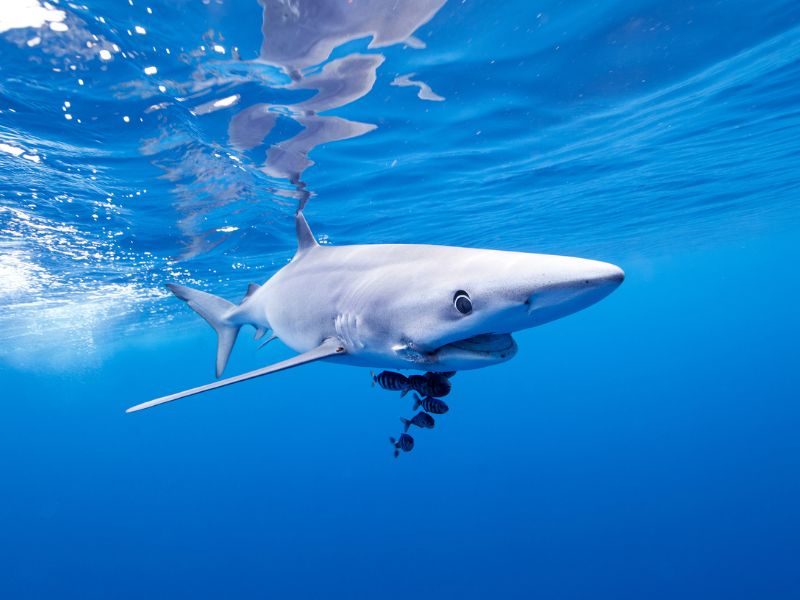
Cookiecutter Shark Self-made Camouflage & lure Open ocean No
Lanternfish Self-made Camouflage & schooling Mesopelagic No
Hatchetfish Self-made Camouflage Mesopelagic No
Dragonfish Self-made Covert hunting Bathypelagic No
Viperfish Self-made Luring prey Bathypelagic No
Bioluminescent Jellyfish Self-made Burglar alarm defense Deep ocean Sometimes
Comb Jellies Both types Startle defense Coastal to deep Yes
Dinoflagellates Self-made Startle defense Surface waters Yes
Ostracods Self-made Mating & defense Reefs to deep Yes
Bioluminescent Squid Self-made & cloud Defense & camouflage Deep ocean Rarely
Bioluminescent Shrimp Cloud & self-made Defense Mesopelagic No
Siphonophores Self-made Luring & defense Open ocean deep Rarely
Sea Cucumbers Self-made Defensive detachment Abyssal floor No
Tomopteris Worms Self-made Talking to each other Midwater No
Caribbean Fireworms Self-made Mating display Shallow reefs Yes
Bioluminescent Plankton Both types Startle defense Surface waters Yes
Fluorescent Corals Fluorescent proteins Sunscreen & photosynthesis boost Shallow reefs Yes
Scale Worms Self-made Defensive flash & drop Reefs & deep floor Yes
Glowing Sea Creatures (2) creaturas marinas que brillan

5. 20+ Sea Creatures That Glow (Meet the Cast)

Ready to meet the actual glowing sea creatures behind all that hype? Here they are, ranked by nothing except vibes.

1. Deep-Sea Anglerfish

  • Lives 1,000+ meters down. Way past diver limits.
  • Glows thanks to bacteria living in its head-lure.
  • Dangles that glow right above its teeth. Genius. Terrifying.

2. Firefly Squid

  • Three inches of pure sparkle, covered in tiny light organs.
  • Matches moonlight to vanish from predators below.
  • Rare surface migrations in Japan let people watch millions glow at once.

3. Flashlight Fish

  • Has a built-in headlamp under each eye, powered by glowing bacteria.
  • Can literally blink the light on and off like a shutter.
  • One of the few glow in the dark sea creatures you can actually spot on a reef night dive.

4. Cookiecutter Shark

  • Tiny shark, huge glow game — strongest known shark bioluminescence.
  • Belly glows to blend in, except one dark “collar” that looks like bait.
  • Big predator strikes the fake bait, shark bites back. Wild move.

5. Lanternfish

  • Possibly the most numerous fish on Earth by biomass.
  • Unique light patterns work like a species ID badge.
  • Lives its whole life in the twilight zone, far from any diver.

6. Hatchetfish

  • Thin, silvery, shaped like a tiny axe head.
  • Downward lights adjust automatically to match sunlight above.
  • Dims itself when a cloud passes overhead. Extremely committed to camouflage.

7. Black Dragonfish

  • Sees and produces red light most ocean animals can’t detect.
  • Uses it as a private, invisible hunting flashlight.
  • One of the sneakiest glowing deep sea creatures out there.

8. Deep-Sea Viperfish

  • Teeth too big for its own mouth. No notes.
  • Waves a glowing spine tip like fishing bait.
  • Uses light patterns to recognize its own kind, too.

9. Burglar Alarm Jellyfish

  • Flashes a spinning ring of blue light when grabbed.
  • Visible up to 100 meters away underwater. That’s loud, in light form.
  • Calls in backup predators to fight off whoever attacked it first.

10. Comb Jellies

  • Rainbow shimmer during the day, from light bending off their cilia. That’s not bioluminescence.
  • Blue-green flashes at night when disturbed. That is.
  • Common, easy, and honestly kind of mesmerizing on a night dive.

11. Bioluminescent Dinoflagellates

  • Millions of them. All it takes is a splash to trigger the glow.
  • Responsible for those glowing wakes behind boats and footprints on the sand.
  • The single most common sea creatures that glow you’ll ever encounter.

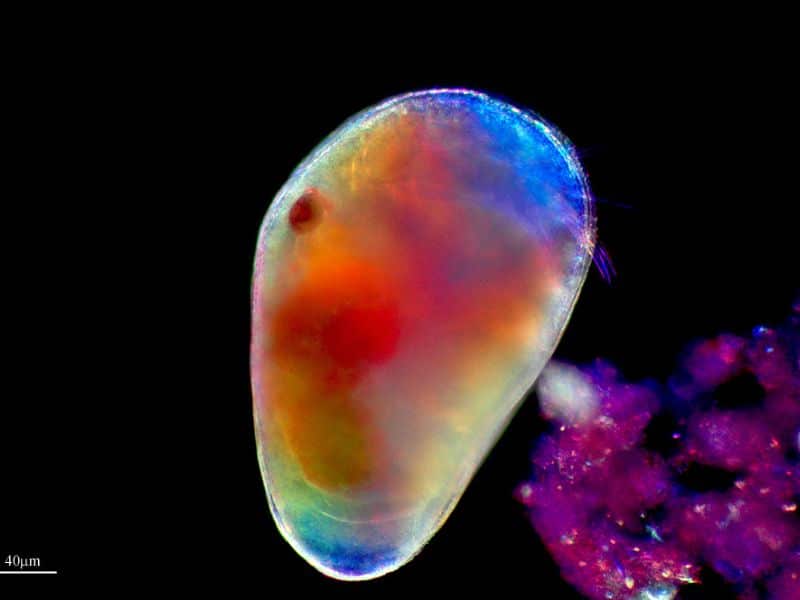
12. Sea Fireflies (Ostracods)

  • Tiny crustaceans, sesame-seed sized, huge glow output.
  • Squirt glowing chemicals into the water to escape predators.
  • Males build glowing “pearl necklace” trails to attract mates.

13. Luminescent Flying Squid

  • Skips the ink entirely — dark ink is useless where there’s no light anyway.
  • Squirts glowing mucus instead, dazzling anything nearby.
  • Mostly a deep, open-ocean species. Blackwater divers get the rare glimpse.

14. Bioluminescent Deep-Sea Shrimp

  • Runs two glow systems at once: belly lights and a defensive spew.
  • The glowing spew disorients predators long enough to escape backward.
  • Firmly on the “you will not meet this on a dive” list.

15. Giant Siphonophores

  • Not one animal — thousands of tiny linked animals acting as one.
  • Can stretch up to 40 meters long. Longer than a blue whale.
  • Strings glowing tentacles through the dark to lure prey in.

16. Headless Chicken Monster (Sea Cucumber)

  • Translucent, pink, and yes, it really looks headless.
  • Sheds glowing skin onto attackers as a sticky decoy.
  • One of the strangest glowing sea animals in the entire ocean.

17. Deep-Sea Yellow Worm (Tomopteris)

  • One of the only ocean animals that glows yellow, not blue.
  • Most deep-sea eyes can’t even see yellow light, so it’s basically a secret channel.
  • Used purely to chat with its own species.

18. Caribbean Fireworms

  • Times its glow-up to the lunar calendar. Two to three nights after a full moon, every time.
  • Females glow green at the surface, males flash back in reply.
  • A genuinely reliable, bucket-list-worthy shallow night dive experience.

19. Bioluminescent Plankton

  • Not one species — a whole glowing crowd of plankton, bacteria, and tiny crustaceans.
  • Every splash, kick, or hand wave sets off a spark shower.
  • The most reliable glow in the dark sea animals for a first night dive.

20. Fluorescent Corals

  • Not bioluminescent — fluorescent. Big difference, remember?
  • Absorbs blue light, glows back in neon greens, pinks, and yellows.
  • Doubles as sunscreen and a boost for its algae roommates.

21. Luminous Scale Worms

  • Coated in overlapping plates that flash green when disturbed.
  • Can drop a still-glowing plate and escape while the predator is distracted.
  • Hidden under reef rubble — worth a peek on any night dive.
Glowing Sea Creatures (6) creaturas marinas que brillan

6. Glowing Deep Sea Creatures: Life With the Lights Permanently Off

Most sea creatures that glow don’t live anywhere near a dive site. They live deep. Like, really deep.

  • Epipelagic Zone (0–200 m): sunlit, glowing mostly happens at night.
  • Mesopelagic Zone (200–1,000 m): the “twilight zone.” Over 75% of species here glow for camouflage.
  • Bathypelagic Zone (1,000–4,000 m): the “midnight zone.” Zero sunlight. Glow or don’t get noticed.

According to NOAA research, more than 75% of animals living in the open ocean water column make their own light. In the deep sea, glowing isn’t a party trick. It’s basic infrastructure.

What Colors Do Deep-Sea Animals Flash?

Blue-green light travels furthest through seawater, so most glowing deep sea creatures stick to that wavelength. A couple of rebels break the mold:

  • Dragonfish flash far-red light, invisible to almost everything else down there.
  • Tomopteris worms flash yellow, a rare color nobody else is tuned in to see.

7. Glow in the Dark Sea Creatures You Can Actually See While Diving

Here’s the good news. You don’t need a submarine to meet glowing sea creatures. Plenty of them live in water shallow enough for a regular night dive.

You CAN Meet These on a Shallow Night Dive You CANNOT (They Live Too Deep)
Bioluminescent dinoflagellates (plankton) Deep-sea anglerfish
Ostracods (sea fireflies) Cookiecutter sharks
Flashlight fish Hatchetfish & lanternfish
Caribbean fireworms Black dragonfish
Fluorescent corals & anemones Abyssal sea cucumbers

How to Actually Spot Them

  • Get to a shallow reef, wall, or sandy lagoon with your dive guide.
  • Settle into neutral buoyancy, away from delicate coral.
  • On the signal, cover the beam of your dive light with your wetsuit and let your eyes adjust for two or three minutes.
  • Gently wave a hand through the water. Watch the sparks fly.
  • Scan the reef edge for blinking flashlight fish or drifting ostracod trails.

Pro tip: pick a new-moon night. Less moonlight, more glow.


8. Best Places to See Sea Creatures That Glow

  • Tropical coral reefs (Cozumel, Riviera Maya, wider Caribbean): flashlight fish, fireworms, plankton galore.
  • Bioluminescent bays: Mosquito Bay in Vieques, Puerto Rico, and Luminous Lagoon in Falmouth, Jamaica, are stacked with glowing dinoflagellates.
  • Open-ocean blackwater dives (Hawaii, the Gulf Stream): siphonophores, drifting jellies, and larval squid putting on a real light show.

Dressel Divers runs guided night dives across some of the best glowing-sea-creature real estate on the planet, including Cozumel, Montego Bay, Jamaica, and Bayahibe in the Dominican Republic.

Glowing Sea Creatures (8) creaturas marinas que brillan

9. How to Photograph Glowing Sea Creatures

Shooting Bioluminescence

  • ISO: crank it. 3200 to 12800+.
  • Aperture: wide open. f/1.8 to f/4.
  • Shutter speed: 1/15s to 1/60s handheld, or long exposure on a tripod.
  • Focus: manual, locked in. Autofocus gives up in total darkness.

Shooting Fluorescence

  • Mount a blue or UV excitation light on your camera arm.
  • Add a yellow barrier filter on the lens.
  • Wear a matching yellow filter over your mask.
  • The filter blocks the excitation light so only the glow-back color reaches your sensor.


10. What You Need for a Night Dive

  • Primary dive light — your main beam for navigating and spotting glow in the dark sea animals.
  • Backup dive light — because Murphy’s Law doesn’t take nights off.
  • Tank marker light — so your buddy can find you in the dark.
  • Surface marker buoy — to signal the boat before you surface.
  • Dive computer — track your depth and time without visual landmarks.
  • Full exposure protection — nights are cooler, and some glowing residents sting.

Do You Need to Be an Expert to Try It?

Nope. Open Water certified divers can absolutely join a guided night dive.

Operators run a full briefing beforehand, cover emergency light signals, and usually keep things shallow (10–15 meters) with small groups. PADI and SDI both offer a Night Diver specialty if you want to level up, but you don’t need it to get started.

Glowing Sea Creatures (9) creaturas marinas que brillan

11. FAQ: Sea Creatures That Glow

What sea creatures glow in the dark?

Dinoflagellate plankton, ostracods, flashlight fish, firefly squid, comb jellies, deep-sea anglerfish, lanternfish, hatchetfish, and scale worms all glow. Corals glow too, but through fluorescence, not bioluminescence.

What is the most famous glowing sea creature?

The deep-sea anglerfish. That glowing lure dangling above its teeth is basically the mascot of glowing sea creatures everywhere.

What sea animals can produce their own light?

Firefly squid, cookiecutter sharks, lanternfish, hatchetfish, Atolla jellyfish, and Tomopteris worms all make their own light chemically, no bacterial roommates needed.

Why do deep sea creatures glow?

To hunt, to scare off predators, to hide their silhouette, and to find a mate. Basically, glowing is the deep sea’s whole survival toolkit.

What’s the difference between bioluminescence and fluorescence?

Bioluminescence is self-made light from a chemical reaction, no external light needed. Fluorescence is borrowed light — the animal absorbs outside light and re-emits it in a new color.

Can humans see bioluminescence underwater?

Yes, easily, once your eyes adjust to the dark. A simple hand wave through the water is usually enough to trigger a shower of tiny blue sparks.

Can you see glowing animals while scuba diving?

Absolutely. Dinoflagellates, ostracods, Caribbean fireworms, flashlight fish, and fluorescent corals are all fair game on a shallow night dive.

What glows in the ocean at night?

Most of the time, it’s dinoflagellate plankton lighting up from wave motion, boat wakes, or a diver’s moving hand.

Are glowing sea creatures dangerous?

No. Bioluminescence is a cold light process. It doesn’t burn, shock, or harm anyone who’s just there to look.

Daytime reef fish tuck into their crevices. Nighttime is when the real sea creatures that glow come out to play, hunt, flirt, and light up the water around you.

Whether you’re chasing sparkling plankton trails, hunting for blinking flashlight fish, or catching fluorescent coral glowing neon under a UV torch, a night dive turns an ordinary trip into something unforgettable.

Ready to see it for yourself? Explore guided night dives with Dressel Divers across Cozumel, Montego Bay, Jamaica, and Bayahibe in the Dominican Republic, and go meet the ocean’s glow squad in person.