

Ocean Mysteries: 10 Fascinating Secrets of the Underwater World
11/11/2026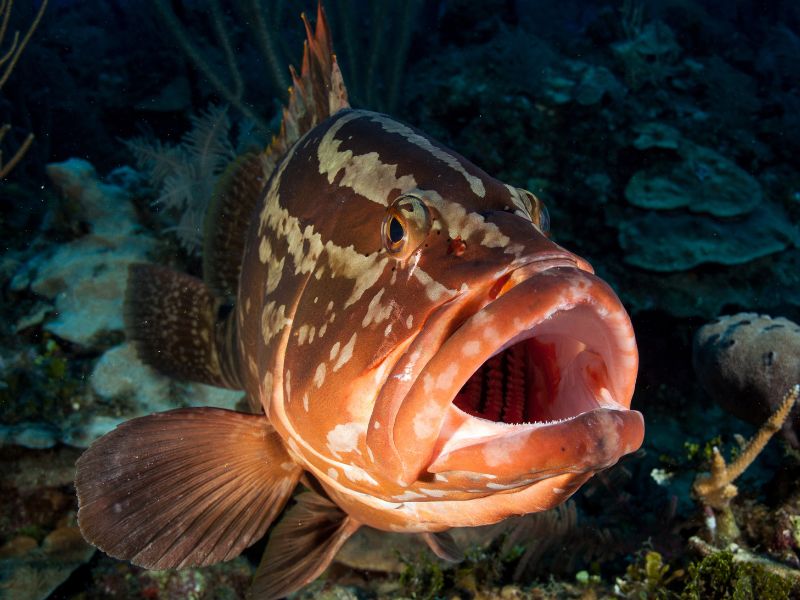
Picture this: you’re drifting along a coral reef, minding your own business, when a fish the size of a small car slides out from behind a rocky ledge. It isn’t in a hurry. It doesn’t care that you’re there. It’s just an enormous fish having a perfectly normal day.
That’s the kind of moment that makes people fall in love with diving. So let’s talk about it: what is the largest reef fish, how big can it really get, and where could you actually see one?
1. What Is the Largest Reef Fish?
-
- 2.1. Atlantic Goliath Grouper: The Caribbean Giant
- 2.2. Great Barracuda: The Silver Torpedo
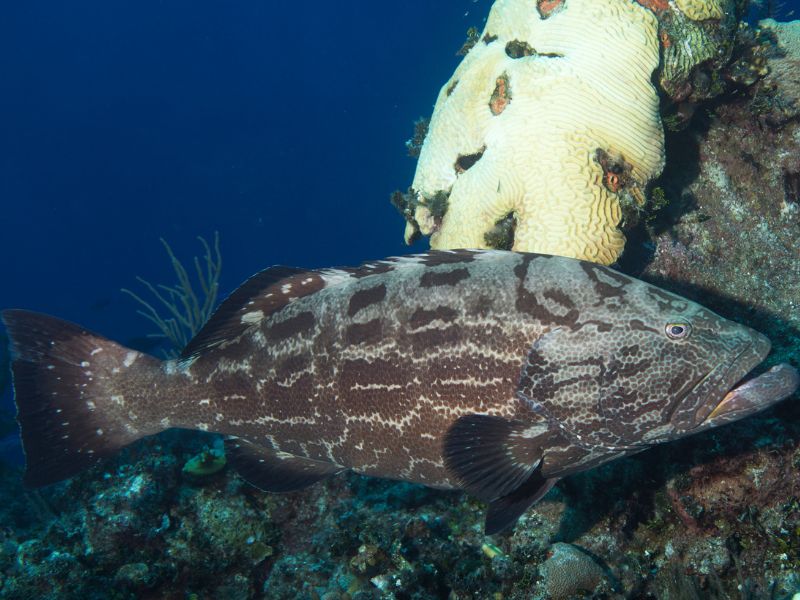
- 2.3. Black Grouper: A Caribbean Heavyweight
- 2.4. Nassau Grouper: A Caribbean Reef Resident
- 2.5. Giant Grouper: The Heavyweight
- 2.6. Giant Moray: The Reef’s Hidden Giant
- 2.7. Dogtooth Tuna: A Fast-Moving Reef Hunter
- 2.8. Napoleon Wrasse: The Giant with the Hump
- 2.9. Giant Trevally: The Powerful Cruiser
- 2.10. Bumphead Parrotfish: The Fish with a Built-In HelmetHow Big Are These Reef Fish?
3. Is the Whale Shark a Reef Fish?
4. Why Giant Reef Fish Are So Fascinating
5. Where Can You See Large Reef Fish While Scuba Diving?
1. What Is the Largest Reef Fish?
There isn’t one answer that covers every definition of a reef fish. The giant grouper (Epinephelus lanceolatus), found across the tropical Indo-Pacific, is widely recognized as one of the largest bony fish associated with coral reefs. It can reach about 9 feet (2.7 meters) and 880 pounds (400 kilograms).
In the western Atlantic and Caribbean, the Atlantic goliath grouper (Epinephelus itajara) is one of the largest reef-associated fish. Exceptional individuals can reach around 8 feet (2.4 meters) and 800 pounds (363 kilograms). Those are reported maximums, not the size you should expect to see on an ordinary dive.
The whale shark is the world’s largest fish, but it is a migratory, open-water filter feeder rather than a typical reef resident, so it isn’t included in this list.
2. Meet 10 Giant Reef Fish
These ten species are associated with coral reefs, rocky reef structures or reef slopes. They aren’t ranked from largest to smallest: reported maximum lengths and weights vary between sources, and some measurements—such as a tuna’s fork length—aren’t directly comparable with total length.
Epinephelus itajara | Western Atlantic, Gulf of Mexico and Caribbean | Up to about 8 ft (2.4 m) and 800 lb (363 kg)
This heavy-bodied grouper has a wide head and mottled brown coloring. Adults use reefs, rocky structures and wrecks; juveniles often grow in shallow coastal habitats such as mangroves. It feeds on fish and crustaceans and can produce a deep, rumbling sound. The species has been affected by historical overfishing, and protections differ by location, so check current local rules.
Sphyraena barracuda | Tropical and subtropical waters, including the Caribbean | Up to about 6.6 ft (2 m) and 110 lb (50 kg)
Long, silver and unmistakable, the great barracuda is associated with reefs and coastal waters across much of the Caribbean and Indo-Pacific. It often hangs nearly motionless before moving off with a sudden burst of speed. Divers may see one alone or near reef structures, but it is best observed without chasing or feeding it.
Mycteroperca bonaci | Western Atlantic and Caribbean | Up to about 4.9 ft (1.5 m); reported maximum weights vary by source
Black groupers are found around coral reefs, rocky ledges, drop-offs and wrecks from the western Atlantic through the Caribbean. Adults have a sturdy body marked with dark, rectangular blotches. They often stay close to a favored structure, which can make a careful look along reef ledges worthwhile. Maximum weight figures differ between references, so length is the more useful comparison here.
Epinephelus striatus | Caribbean and western North Atlantic | Up to about 4 ft (1.2 m) and 55 lb (25 kg)
Smaller than several fish on this list, the Nassau grouper earns its place as a true Caribbean reef resident. Its sturdy body has distinctive bars and markings, and it often waits near reef structures to ambush fish and crustaceans. Nassau groupers gather at specific spawning sites, a key part of their life cycle that has also made them vulnerable to fishing. Conservation measures are important for the species’ future.
Epinephelus lanceolatus | Indo-Pacific | Up to about 9 ft (2.7 m) and 880 lb (400 kg)
With its broad head, thick body and rounded tail, the giant grouper looks built like a bulldozer. Adults are usually brown or gray, while juveniles have bold dark and pale markings. It often waits near caves, wrecks or reef structures, then uses its large mouth to suck in prey such as fish and crustaceans. It lives in the Indo-Pacific, so it isn’t a fish to expect on a typical Caribbean dive.
Gymnothorax javanicus | Tropical Indo-Pacific | Up to about 9.8 ft (3 m)
The giant moray spends much of its time tucked into holes and crevices, with only its head visible. Its spotted pattern helps distinguish it from other morays. It feeds mainly on fish and occasionally crustaceans. Because it can be difficult to spot until you’re close, give it space and never put your hands into reef holes.
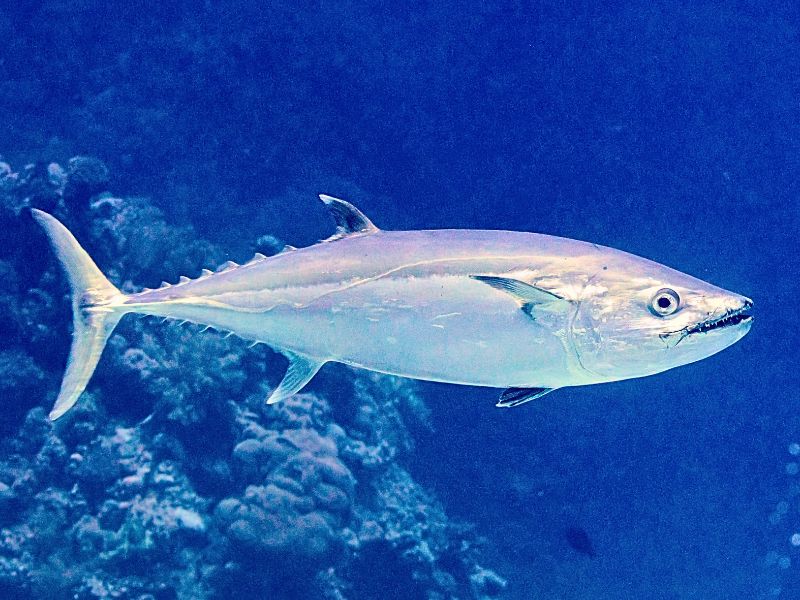
Gymnosarda unicolor | Tropical Indo-Pacific | Up to about 8.1 ft (2.48 m) fork length; published maximum weight around 289 lb (131 kg)
Unlike a grouper that may sit beside a ledge, the dogtooth tuna is built for speed. It is classed as reef-associated and is often found offshore around coral reefs, where it hunts schooling fish and squid. It may pass through a site rather than remain in one small area, so sightings depend on location and conditions. Its fork-length measurement is not directly comparable with total lengths reported for other species.
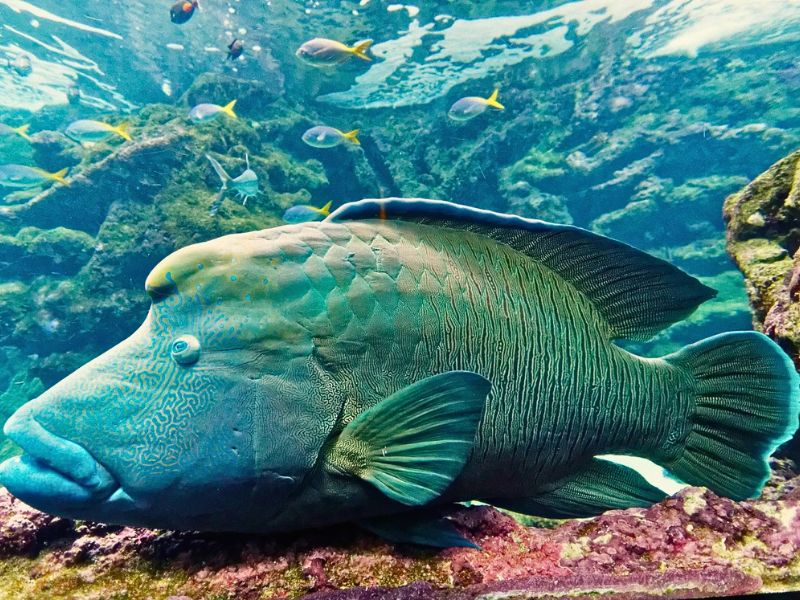
Cheilinus undulatus | Tropical Indo-Pacific | Up to about 7.5 ft (2.3 m)
Also called the humphead wrasse, this fish is recognizable by the prominent forehead hump, thick lips and blue-green coloring of large adults. It feeds on mollusks, crustaceans and other invertebrates, including hard-shelled animals. It is a memorable subject for underwater photographers, but fishing pressure and the live reef fish trade have affected its populations.
Caranx ignobilis | Tropical Indo-Pacific | Up to about 5.6 ft (1.7 m) and 176 lb (80 kg)
The giant trevally has a deep, muscular body and a reputation as a powerful hunter. Adults can inhabit clear lagoons and seaward reefs, while juveniles use different coastal habitats. It often hunts fish and crustaceans, sometimes at night. Although it can range through open water, its strong association with reef habitats makes it a good fit for this list.
Bolbometopon muricatum | Tropical Indo-Pacific | Up to about 4.3 ft (1.3 m)
The bumphead parrotfish has a bulky body, rounded forehead and beak-like mouth. It grazes on algae and reef material, grinding up pieces of coral and rock as it feeds. That activity helps create sediment that contributes to tropical reef sands. These fish may gather in groups, and fishing pressure and reef habitat loss have affected populations.
How Big Are These Reef Fish?
The figures below are reported maximums, not typical adult sizes. Sources may report different records, and length measurements aren’t always defined in the same way. Treat the figures as a guide rather than a precise league table.
| Species | Reported maximum length | Main region |
| Giant moray | Up to about 9.8 ft (3 m) | Indo-Pacific |
| Giant grouper | About 9 ft (2.7 m) | Indo-Pacific |
| Dogtooth tuna | About 8.1 ft (2.48 m) fork length | Indo-Pacific |
| Atlantic goliath grouper | About 8 ft (2.4 m) | Western Atlantic and Caribbean |
| Napoleon wrasse | About 7.5 ft (2.3 m) | Indo-Pacific |
| Great barracuda | About 6.6 ft (2 m) | Caribbean and tropical seas |
| Giant trevally | About 5.6 ft (1.7 m) | Indo-Pacific |
| Black grouper | About 4.9 ft (1.5 m) | Western Atlantic and Caribbean |
| Bumphead parrotfish | About 4.3 ft (1.3 m) | Indo-Pacific |
| Nassau grouper | About 4 ft (1.2 m) | Caribbean and western North Atlantic |
Conservation assessments and local regulations can change. Check the IUCN Red List and relevant fisheries authorities for current information on individual species.
3. Is the Whale Shark a Reef Fish?
Not in the usual ecological sense. The whale shark is the largest fish in the world, but it is a migratory filter feeder that spends much of its time in open water. It may pass near reefs or coastal habitats while following food, but it isn’t a typical reef resident like a grouper or moray.
4. Why Giant Reef Fish Are So Fascinating
Size is the obvious draw, but these fish play very different roles. Groupers and morays are predators. Parrotfish graze on algae and reef material. Barracudas and trevallies can cruise past reef edges in search of prey, while dogtooth tuna often hunt around offshore reefs. Their habits shape the reef community—and give divers plenty to watch beyond the search for the biggest animal.
Large fish can also be surprisingly easy to miss. A grouper resting beside a rock may blend into the background, while a barracuda can appear as a silver line in the blue. Slow down, scan the reef edges and look carefully into the scene rather than chasing a particular sighting.
5. Where Can You See Large Reef Fish While Scuba Diving?
It depends on the species. Giant groupers, Napoleon wrasse, bumphead parrotfish, giant morays, giant trevallies and dogtooth tuna are Indo-Pacific species. The Atlantic goliath grouper, Nassau grouper, black grouper and great barracuda are more relevant to Caribbean diving. Even within a species’ range, no sighting is guaranteed.
Mexico
Mexico is known for coral reefs, walls and a wide variety of tropical marine life. Barracudas and many kinds of reef fish may be part of the underwater scene, although a particular species is never guaranteed on a given dive.
Dominican Republic
This country offers Caribbean reef sites, rocky structures and wrecks, each with its own underwater character. Rather than choosing a dive for one animal alone, consider the sites visited and the type of scenery and marine life you would like to see.
Jamaica
Jamaica offers reefs and other coastal underwater habitats, with marine life varying by location and conditions. Keep an eye on reef edges and rocky structures, but don’t overlook smaller creatures and unusual behaviors.
6. What to Expect When Looking for Big Fish
Can you see large fish on a recreational scuba dive? Yes. Depending on the destination and dive site, you may encounter groupers, barracudas, moray eels and other large species.
Are some dive sites better for big fish? Certain habitats suit particular species. Groupers use reefs, rocky structures and wrecks for shelter and feeding, for example. Suitable habitat improves the chance of an encounter but doesn’t guarantee one.
Does visibility matter? Better visibility can help you scan more of the reef and notice animals at a distance, but it doesn’t determine whether a particular fish is present.
How should you behave around large fish? Keep a respectful distance. Don’t touch, chase, corner or feed marine life, and follow your Dive Instructor’s guidance. The best encounter is one that lets you observe the animal without disturbing it.
One final tip: don’t spend the entire dive hunting for the biggest fish. Slow down and look around. Some of the best moments happen when you notice something you weren’t looking for.
7. Frequently Asked Questions About the Largest Reef Fish
What is the largest reef fish in the world?
The giant grouper is widely recognized as one of the largest bony fish associated with coral reefs, reaching reported maximums of about 9 feet (2.7 meters). The answer depends on how reef-associated species are defined.
What is the largest grouper in the world?
The giant grouper is among the largest groupers worldwide. The Atlantic goliath grouper is one of the largest groupers in the western Atlantic and Caribbean.
What is the largest reef fish in the Caribbean?
The Atlantic goliath grouper is one of the largest reef-associated bony fish in the Caribbean. Exceptional individuals can reach around 8 feet (2.4 meters).
Is the whale shark a reef fish?
Not usually. It is a migratory, open-water filter feeder rather than a typical reef resident.
Can you see giant groupers while scuba diving?
Yes, in parts of their natural ranges. Giant groupers live in the Indo-Pacific, while Atlantic goliath groupers live in the western Atlantic, including the Caribbean. Sightings are never guaranteed.
What large reef fish might divers see in the Caribbean?
Depending on the site, divers may encounter species such as great barracuda, black grouper, Nassau grouper and, in parts of the region, Atlantic goliath grouper.
Are large reef fish dangerous to divers?
Size alone doesn’t predict an animal’s behavior. Observe wildlife without touching, feeding or pursuing it, keep a respectful distance and follow your Dive Instructor’s guidance.
Ready to See the Caribbean Underwater?
Knowing which fish hold the size records is fun. Watching a coral reef come alive around you is even better. From barracudas cruising past the reef to groupers tucked beside rocky structures, the Caribbean offers plenty to look for beneath the surface. Every site has its own character, and every encounter depends on which animals are there that day.
Explore Dressel Divers’ Caribbean scuba diving destinations and choose an excursion that matches the underwater experience you’re looking for.
CONTACT US FOR
PERSONALIZED ASSISTANCE
Ready to improve your dive skills?
Need more information about the next certification level?
WE ARE HERE TO HELP