1. Types of Underwater Recovery
Underwater recovery encompasses different disciplines with a shared goal: to act with preparation, precision, and respect for the environment.
Underwater Archaeological Recovery
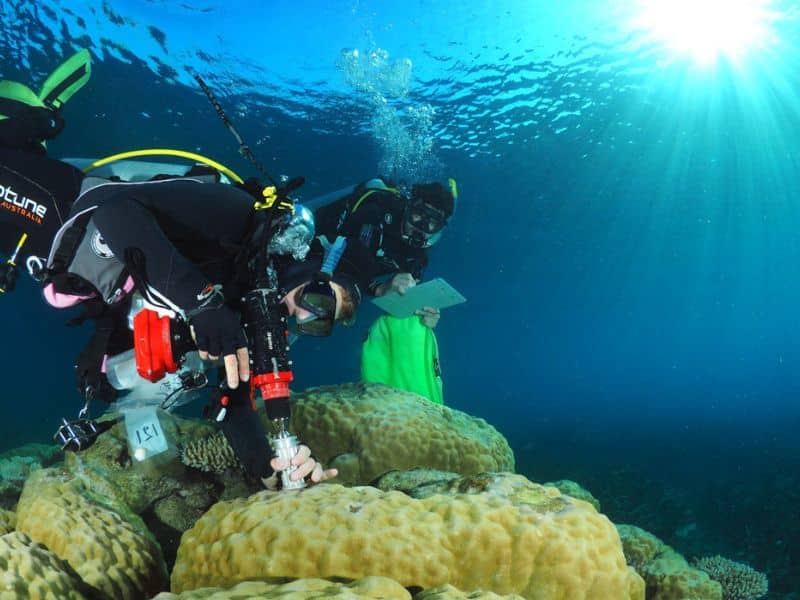
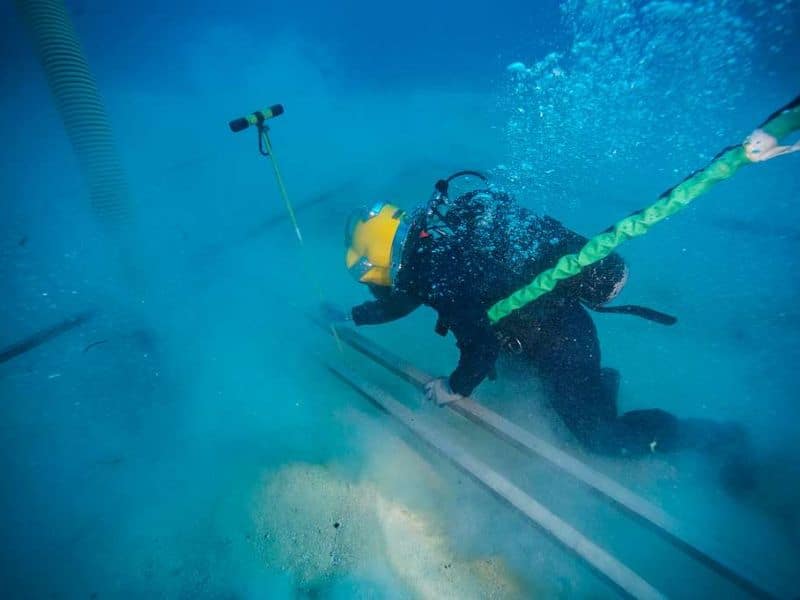
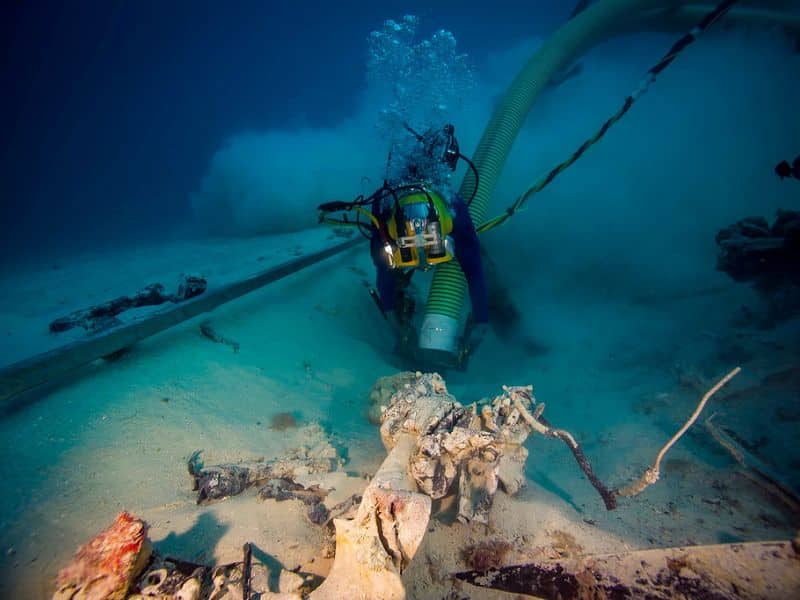
Think of a team of archaeologists off the coast of Sicily. Sonar detects a Roman ship, and underwater recovery divers record each find in 3D before lifting it with lift bags, preserving the historical context intact. This type of recovery combines science and technique to preserve the past.
Body Recovery from Water
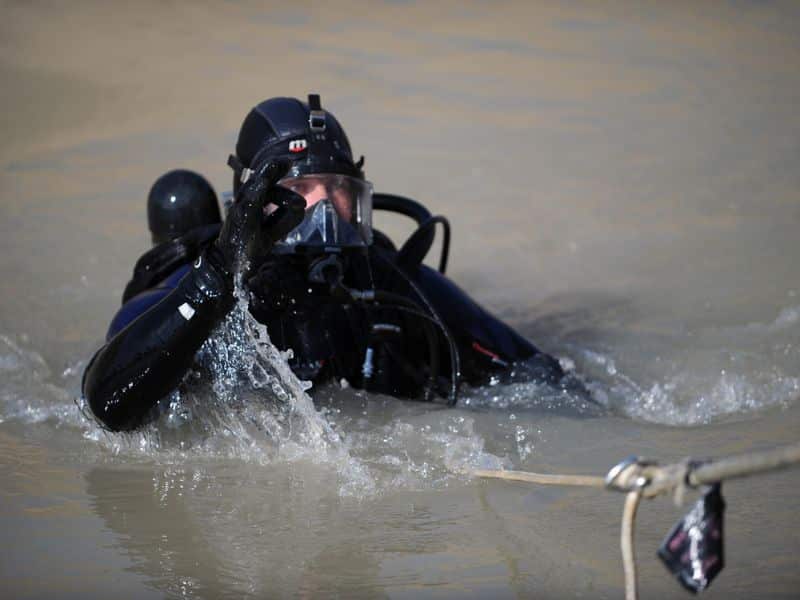
In a remote lake, a specialized team follows rigorous search patterns guided by ropes and underwater cameras. Upon locating the body, they apply the controlled ascent technique to raise it with absolute respect, protecting forensic evidence and the dignity of the victim.
Recovery of Sunken Materials and Objects
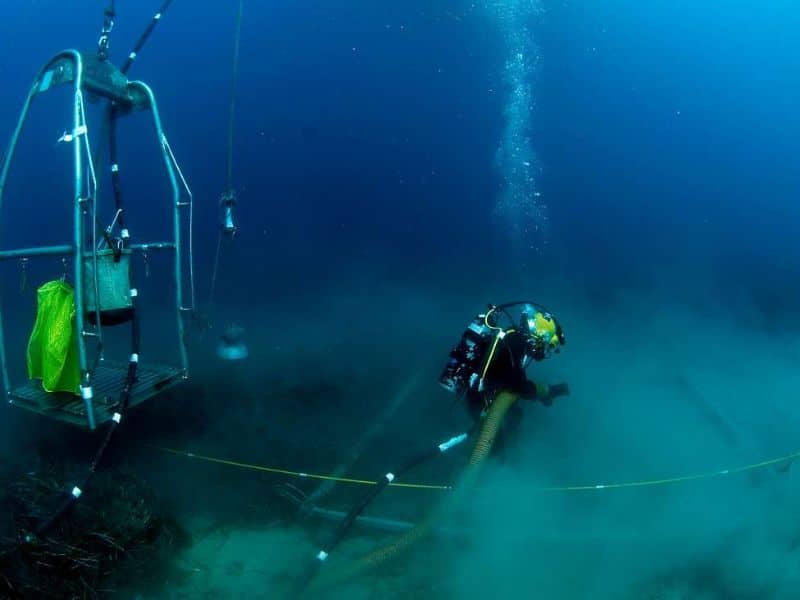
At 40 meters, operators coordinate the lifting of a vehicle using floating cranes and lift bags. Recovery divers calculate pressure and buoyancy to ensure a controlled ascent, a typical procedure in industrial or commercial rescues.
Underwater Engineering Recovery
At a dam in Chile, technical divers replace damaged parts without draining the reservoir, combining professional diving with hydraulic tools and remotely operated vehicles to maintain critical infrastructures.
Recovery of Natural and Biological Resources
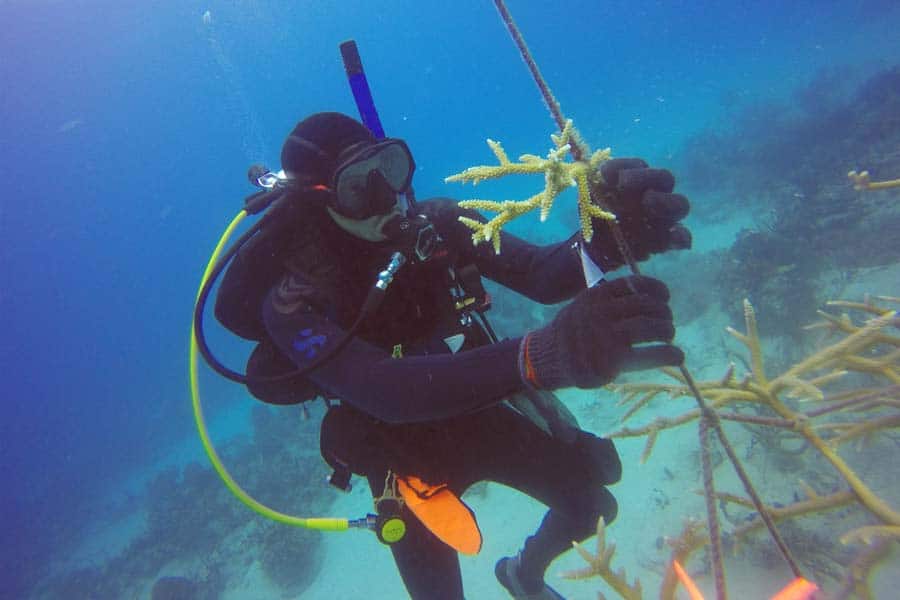
In Indonesia, drones inspect a field of bioluminescent sponges with medicinal potential. Remotely operated vehicles collect samples while minimizing environmental impact, showcasing how underwater recovery can merge industry and ecology.
2. Differences Between Underwater Search and Rescue and Recovery
The key lies in the mission: in underwater search and rescue, every second counts to save lives; in recovery, the goal is to retrieve bodies or objects with calmness and precision.
In an underwater search and rescue operation, pressure is at its maximum, divers maintain constant communication, and act frantically to rescue survivors in extreme conditions. When switching to recovery mode, the pace changes: movements slow down, documentation and respect take priority.
Knowing when to act urgently and when to remain calm defines the effectiveness and composure of every recovery diver.