1. What Is Marine Archaeology?
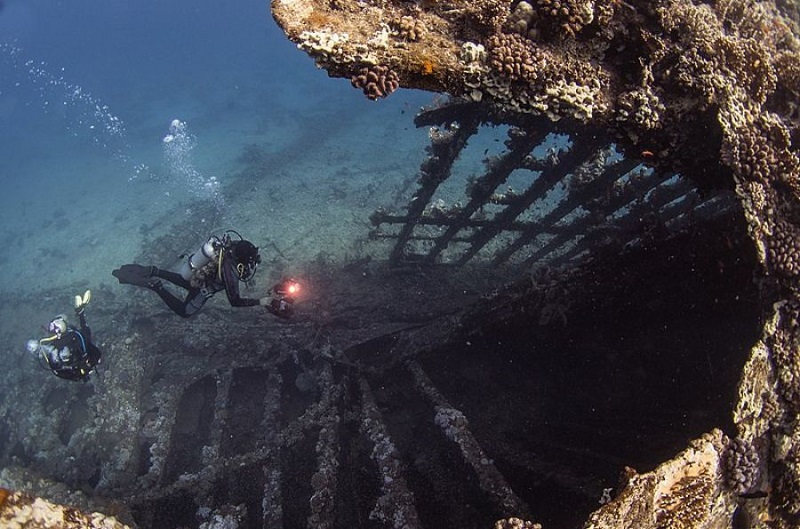
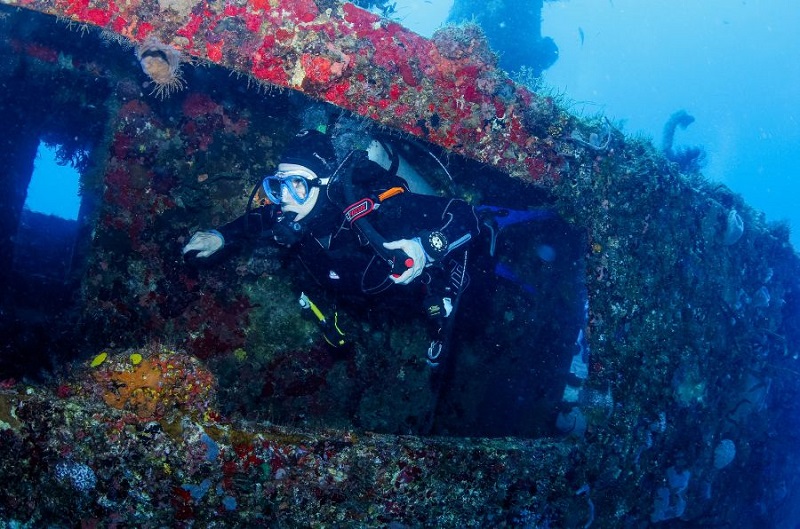
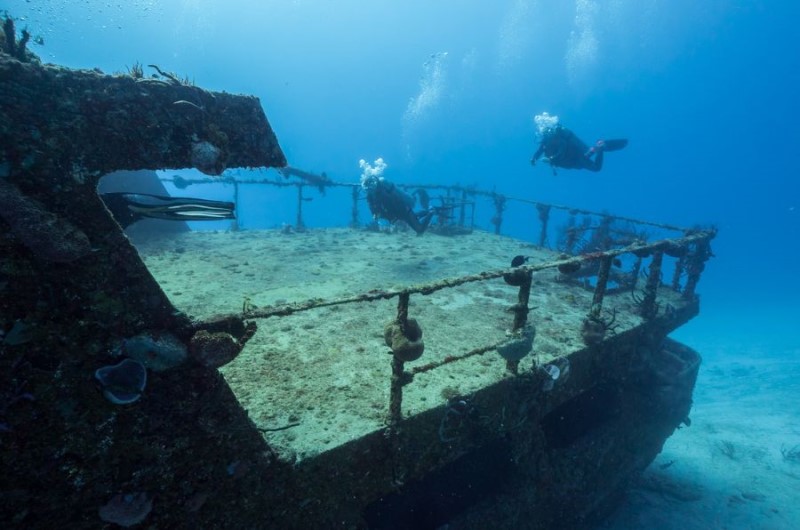
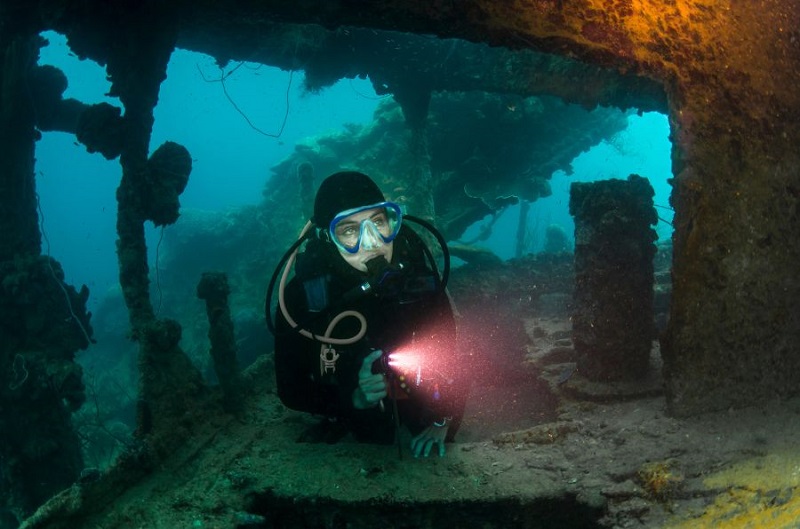
Definition. Marine archaeology studies human history through material remains found underwater, such as shipwrecks, submerged ports, and everyday objects. Researchers carefully document the exact location of each object and then analyze what it reveals about trade, travel, and daily life. The goal is to learn from a site without disturbing it.
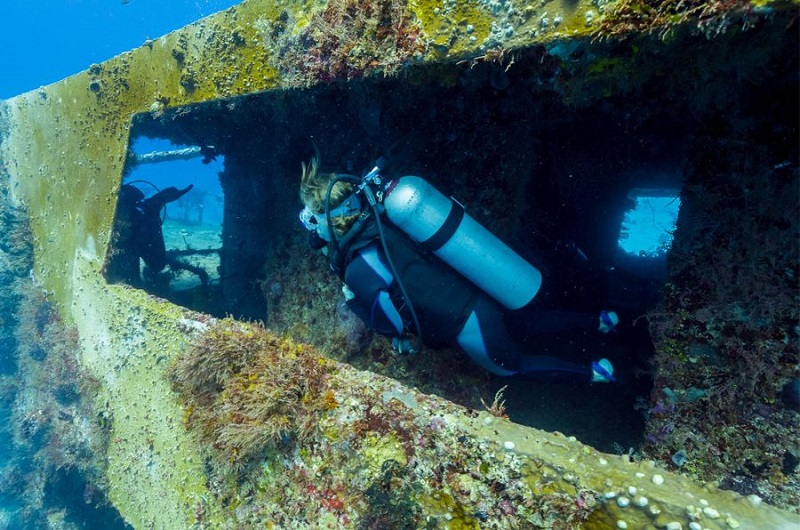
Archaeology explores the past through what people left behind. Marine archaeology does the same wherever ships, ports, and personal belongings ended up underwater.
It is not treasuring hunting. A coin is interesting, but what makes it evidence is where it was found, what was beside it, and what covered it. If it is moved carelessly, that context is lost forever.
The field focuses on three main categories:
- Ships and their cargo, from small vessels to large ships.
- Ports, docks, and other structures that ended up underwater.
- Everyday objects, such as tools, tableware, and personal belongings.
UNESCO uses the term underwater cultural heritage to describe traces of human existence that have been underwater for at least 100 years. That 100-year threshold matters when you compare shipwrecks later in this guide.
2. What Can Marine Archaeology Reveal?
Submerged archaeological sites function as time capsules preserved under unique chemical and physical conditions. When a vessel sinks or a coastal settlement is inundated, an entire assemblage of material culture is deposited simultaneously, creating an undisturbed cross-section of a specific historical moment.
The systematic study of these sites yields evidence categorized into structural remains, commercial cargo, and personal artifacts:
| Category of Evidence |
Primary Physical Remains |
Historical Research Value |
| Structural Remains |
Timber framing, keel assemblies, metal fasteners, sheathing |
Reveals naval architecture, ship construction engineering, and regional industrial capabilities. |
| Cargo & Commerce |
Amphorae, raw metals, manufactured goods, ballast stones |
Reconstructs historical trade networks, economic exchange patterns, and resource distribution. |
| Personal Artifacts |
Navigational instruments, cooking utensils, personal attire, footwear |
Offers rare insights into the daily life, social hierarchy, onboard diet, and health of mariners. |
Shipwrecks as Time Capsules
Unlike terrestrial sites, which suffer from continuous re-occupation, rebuilding, and layer mixing over centuries, a shipwreck represents a single, isolated event. The structural remains of a hull preserve crucial information regarding ship design, industrial development, and timber sources.
Structural analysis of historic hulls reveals specialized woodworking techniques—such as rabetted joinery and tongue-in-groove timber planking—that demonstrate advanced engineering traditions long forgotten in written archives. Furthermore, the disposition of ballast stones, hull sheathing, and fasteners provides direct evidence of global supply chains and maritime adaptations across different centuries.
Submerged Ports and Coastal Architecture
Investigations extending beyond individual hulls examine entire submerged urban centers and port complexes. Coastal subsidence, tectonic shifts, and post-glacial sea-level rise have submerged ancient harbor installations across the globe.
Documenting submerged breakwaters, stone mooring blocks, and slipways allows researchers to map historical shorelines and evaluate ancient civil engineering capabilities. These sites illustrate how coastal communities adapted to shifting climate conditions, managed marine trade, and constructed durable maritime infrastructure.
Artifacts and Daily Life
The anaerobic (oxygen-depleted) conditions found in deep silt or marine sediment layers can preserve organic materials—such as leather, rope, woven textiles, bone, and wooden utensils—that would rapidly decompose on land.
Recovered artifacts range from heavy trade goods like amphorae carrying wine, olive oil, or fish sauce (garum) to personal items belonging to the crew. Navigational tools, cooking cauldrons, clay pipes, and ceramic tableware offer rare insights into the social hierarchy, health, diet, and working conditions of historical mariners