7. FAQs About Lionfish Invasive Species
What is the lionfish invasive species?
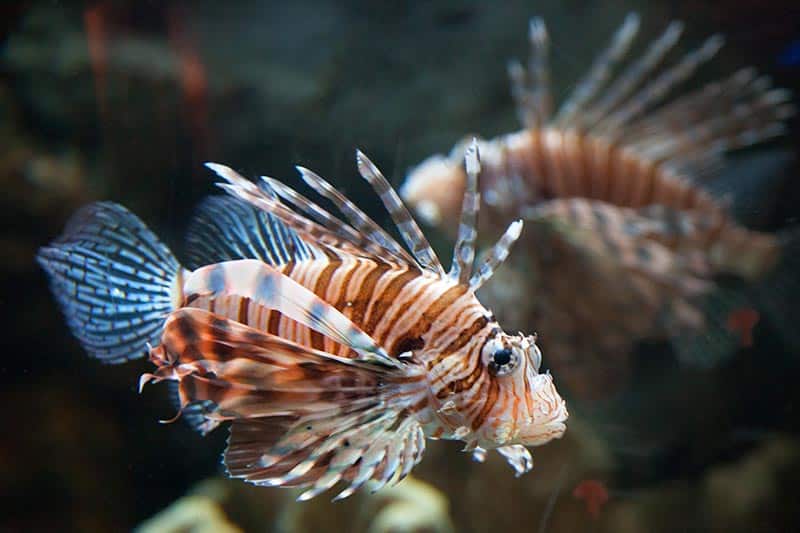
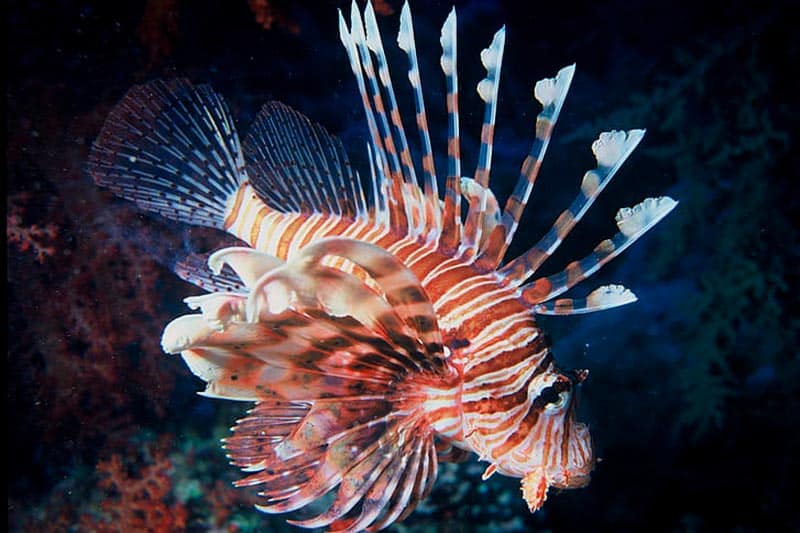
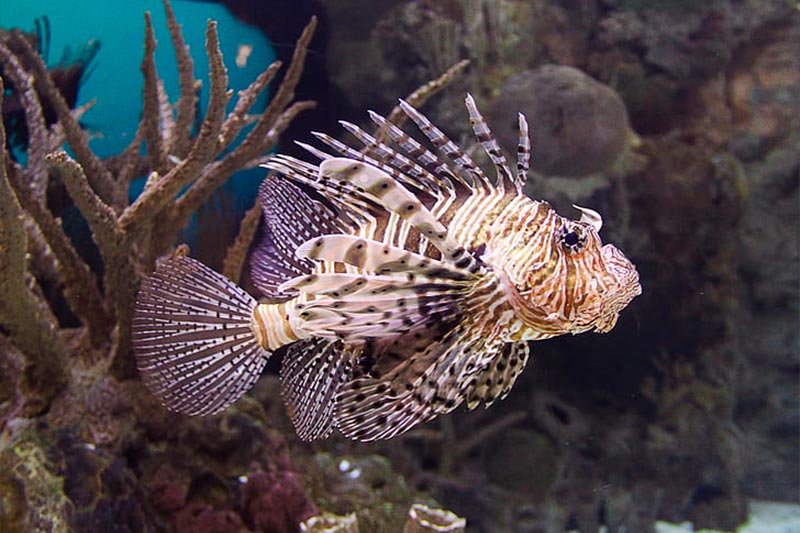
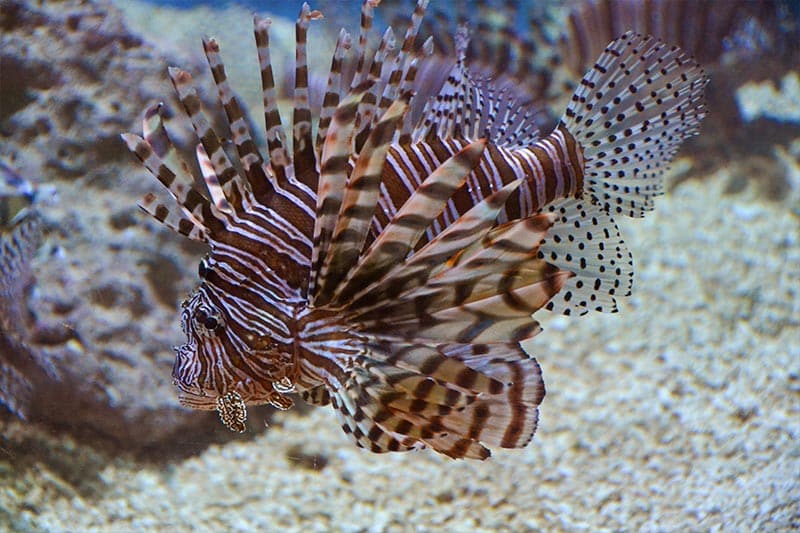
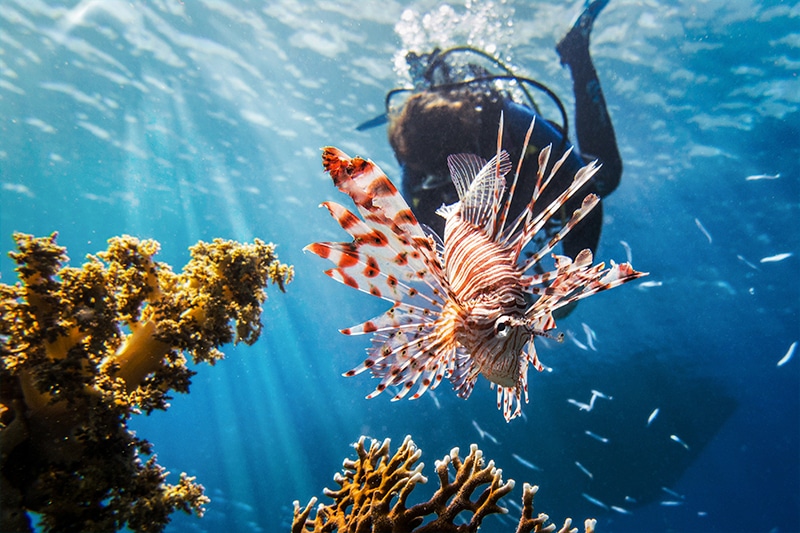
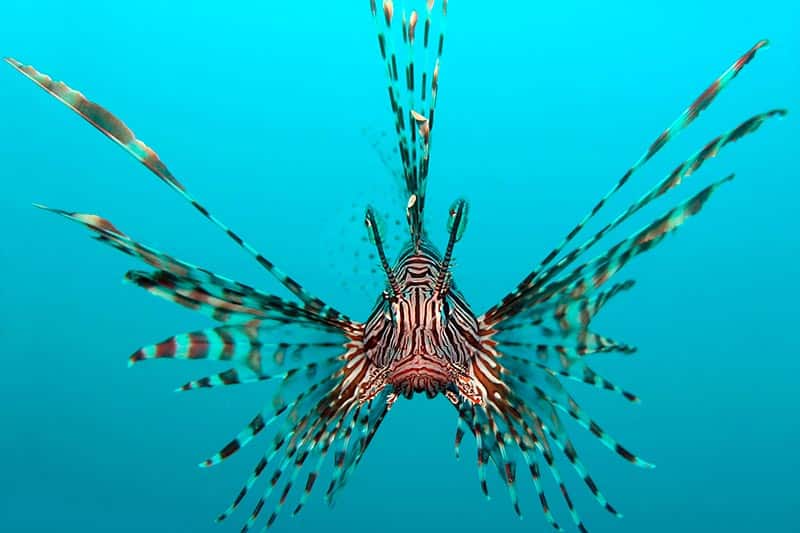
A: The lionfish invasive species are predatory fish native to the Indo-Pacific. They have striking red, brown, and white stripes, venomous spines, and can grow up to 30 cm. They reproduce rapidly and have no natural predators in the Atlantic and Caribbean, making them a major ecological threat.
How did lionfish become an invasive species in the Atlantic?
A: Lionfish were first recorded in Florida in 1985. Scientists believe they arrived through aquarium releases, possibly during Hurricane Andrew, as well as multiple other introductions. Their ability to adapt and reproduce quickly allowed them to establish populations across the Caribbean and western Atlantic.
Where have lionfish invasive species spread in the Atlantic and Caribbean?
A: Lionfish now inhabit Florida, North Carolina, South Carolina, Georgia, the Gulf of Mexico, the Bahamas, and the Caribbean. They have also been spotted in Bermuda and even the Mediterranean Sea. Their rapid spread is carried by ocean currents and human activity.
Why are lionfish invasive species considered a threat to marine ecosystems?
A: Lionfish are voracious predators. They eat over 250 species of fish and crustaceans, including herbivores that keep algae in check. This leads to coral reef degradation, disrupts local fish populations, and negatively impacts fisheries. Their unchecked numbers make the problem worse.
What makes lionfish such effective invaders?
A: Lionfish are highly adaptable, reproduce quickly, and have venomous spines for protection. They hunt both day and night, can swallow prey larger than their heads, and face no natural predators in the Atlantic, giving them a competitive advantage over native species.
Can the lionfish invasion be stopped?
A: Complete eradication is unlikely. However, control and management strategies can reduce their impact. These include population monitoring, targeted hunting, early detection programs, using natural predators like groupers, and promoting lionfish as a food source.
What are the main strategies to control lionfish in the Caribbean?
A: Key strategies include:
- Keeping populations below critical thresholds.
- Organizing targeted lionfish hunting programs.
- Empowering natural predators, such as groupers.
- Promoting lionfish as a sustainable food source.
- Developing traceable collection and distribution systems to involve local fishermen.
Are lionfish dangerous to humans?
A: Yes, lionfish have venomous spines. A sting can cause pain, swelling, and redness for several days. However, they are not aggressive and only sting in self-defense. Handling them requires care.
How does climate change affect the spread of lionfish?
A: Climate change allows lionfish to adapt to new temperatures and saline conditions. This could enable them to move to higher latitudes and expand to regions like France, the UK, Uruguay, South Africa, and New Zealand. Rising tropical temperatures might reduce their numbers in some traditional habitats.
Why is promoting lionfish as food an effective strategy?
A: Turning invasive lionfish into a valuable food source creates economic incentives for fishermen. It helps reduce their populations, protects native species, and provides a sustainable seafood option, making it a win-win solution.
Can native predators help control lionfish populations?
A: Yes. Predators like groupers can naturally limit lionfish numbers. Encouraging healthy populations of native predators is an effective part of ecosystem-based management strategies.
Is the lionfish invasive species a global ecological challenge?
A: Absolutely. While currently concentrated in the Atlantic and Caribbean, the lionfish invasion has global implications. Its spread requires international cooperation, scientific monitoring, and combined management efforts to protect marine ecosystems worldwide.
The lionfish invasive species represents a long-term ecological challenge for the Atlantic and Caribbean. While eradication is unlikely, coordinated management, responsible fishing, and public awareness can significantly reduce its impact on marine ecosystems.