Scuba diving accessories(4) accesorios de buceo
27 Best Scuba Diving Accessories Every Diver Should Own
15/07/2026
Reef Lizardfish (6) Pez lagarto de arrecife
Reef Lizardfish: Identification, Habitat & Behavior
22/07/2026
Show all

Best Cozumel Dive Spots: 15 Must-See Diving Spots

Quick Answer: What Are the Best Dive Spots in Cozumel?

If you had to pick just five, these would be the must-dives: Palancar Reef, Santa Rosa Wall, Colombia Reef, Paso del Cedral, and Punta Tunich. Each one has its own character, but they all share what makes Cozumel so special: outstanding visibility, abundant marine life, and those currents that turn every dive into a drift diving experience that’s hard to match anywhere else.

Cozumel isn’t just called “one of the best dive destinations in the world” for the sake of it. Its consistent currents, crystal-clear water, and variety of reef systems make it one of the most accessible and rewarding destinations in the Caribbean.

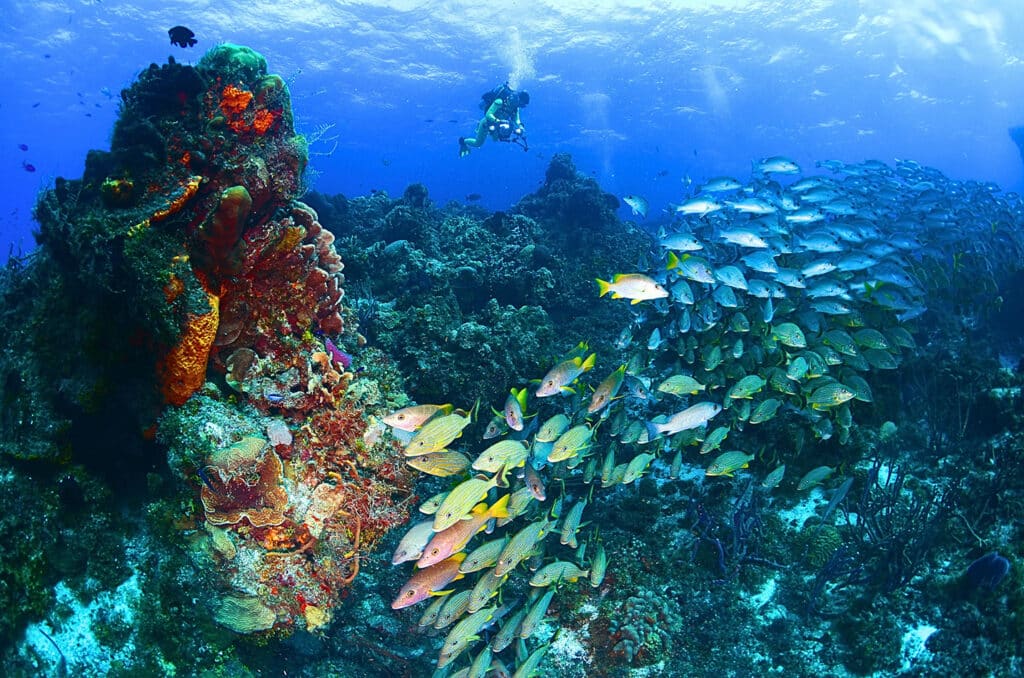
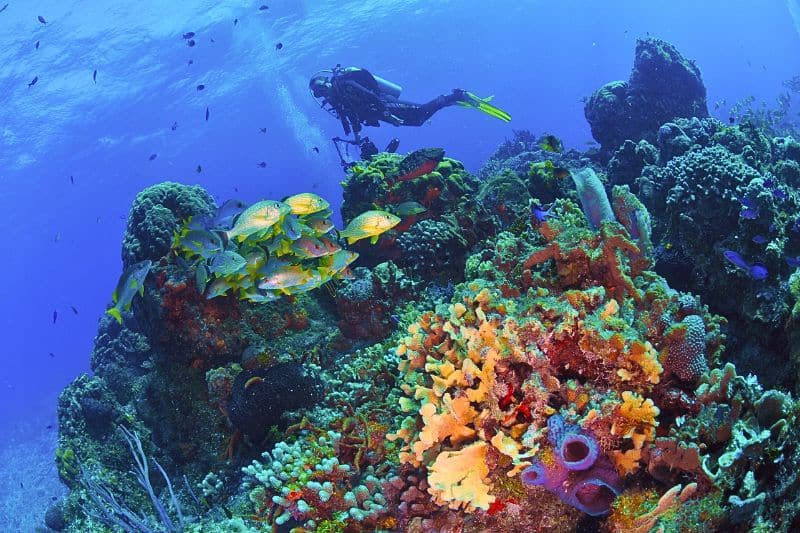
cozumel dive spots (4) sitios de buceo en Cozumel

1. Best Cozumel Diving Spots Expert Overview

Cozumel offers a unique underwater ecosystem shaped by strong Caribbean currents and protected reef formations. The island features shallow coral gardens, vertical walls, and deep drift channels, giving divers a wide variety of experiences across a single destination.

At Dressel Divers, we’ve been running guided dives on these reefs for years, with hundreds dives per month. That gives us a constant, real-time read on conditions at any given moment: visibility, marine activity, currents. No surprises.


2. Why Best Cozumel Diving Spots Make It a Top Diving Destination in the World

The island’s underwater ecosystem is shaped by strong Caribbean currents and the formations of the Mesoamerican Reef System, the second largest in the world. That translates into shallow coral gardens, breathtaking vertical walls, and current channels — a wide range of underwater landscapes all within reach of the island.

By the numbers: visibility between 20 and 40 meters, over 500 fish species, more than 60 types of coral, and stable conditions year-round.

So that, Cozumel is globally recognized for:

  • Crystal-clear visibility (often 20–40 meters / 65–130 ft)
  • Caribbean currents ideal for drift diving
  • Direct access to the Mesoamerican Barrier Reef System
  • More than 500 species of fish and 60+ coral types
  • Year-round stable diving conditions

In other words, Cozumel combines accessibility, biodiversity, and consistent conditions better than most Caribbean dive destinations.

dive sites in Cozumel (1) lugares de buceo en Cozumel

3. Best Cozumel Diving Spots

San Francisco Reef

  • Depth: 40 ft / 12 m
  • Highlights: Coral gardens, schooling fish

Expert Tip: Maintain neutral buoyancy and move slowly above the reef to avoid disturbing parrotfish and damselfish feeding along the coral structure.

Santa Rosa Shallows

  • Depth: 26–60 ft / 8–18 m
  • Highlights: Rays, tropical fish, reef navigation

Expert Tip: Use this site to practice drift awareness and spatial orientation while maintaining consistent buddy positioning.

Jurassic Park (Casa Blanca)

  • Depth: 40 ft / 12 m
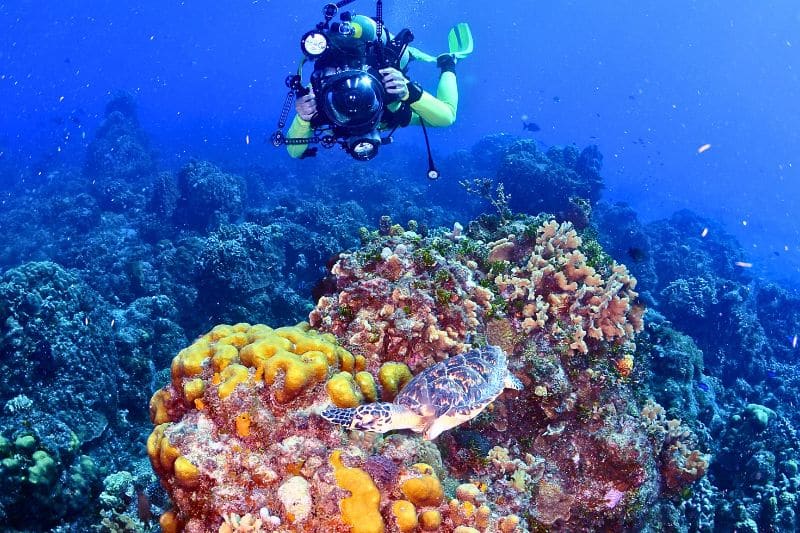
  • Highlights: Starfish, boxfish, turtles, “underwater zoo” feel

Expert Tip: This site earned its nickname due to its prehistoric coral formations and dense marine life. Move slowly along sandy patches where turtles and rays often rest.

San Clemente

  • Depth: 20–50 ft / 6–15 m
  • Conditions: Excellent visibility
  • Highlights: Coral gardens, macro life, photography site

Expert Tip: Focus on coral edges where trumpetfish and moray eels often camouflage within reef structures.

Punta Francesa

  • Depth: 50 ft / 15 m
  • Highlights: Colorful reef, easy diving profile

Expert Tip: Ideal for divers seeking a stress-free environment to build confidence in buoyancy and breathing control.

Santa Rosa Wall

  • Depth: 72–82 ft / 22–25 m
  • Highlights: Vertical wall, sponges, turtles

Expert Tip: The wall begins around 50 ft (15 m) and drops sharply. Position yourself along the reef edge to maximize visibility of sponges and pelagic movement.

Santa Rosa Reef

  • Depth: 50 ft / 15 m
  • Highlights: Brain corals, rays, reef ecosystem

Palancar Gardens

  • Depth: 26–60 ft / 8–18 m
  • Highlights: Coral formations, macro photography

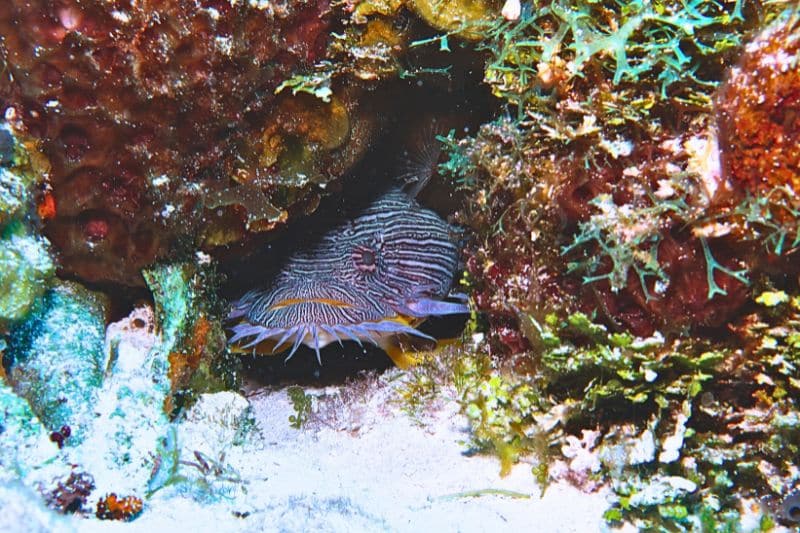
Expert Tip: Look closely into coral crevices for sightings of the endemic Splendid Toadfish, a Cozumel signature species.

Punta Dalila

  • Depth: 56 ft / 17 m
  • Highlights: Sharks, rays, lobsters

Expert Tip: Monitor air consumption early, as marine encounters often occur at slightly deeper reef sections.

Tormento Reef

  • Depth: 50–60 ft / 15–18 m
  • Highlights: Moray eels, pufferfish, active reef

Expert Tip: Use the current to travel efficiently along the reef while maintaining consistent depth control.

Paso del Cedral

  • Depth: 40–60 ft / 12–18 m
  • Highlights: Turtles, large fish, high biodiversity

Expert Tip: This is one of Cozumel’s most reliable sites for large marine encounters. Position slightly above the reef and allow the current to carry you for non-intrusive wildlife observation.

Palancar Caves

  • Depth: 72 ft / 22 m
  • Highlights: Coral tunnels, immersive topography

Expert Tip: Maintain clear hand signals with your buddy due to reduced visibility in tunnel sections.

Colombia Cordillera

  • Depth: 72 ft / 22 m
  • Highlights: Drift channels, eagle rays, barracudas

Colombia Ladrillo

  • Depth: 72 ft / 22 m
  • Highlights: Reef sharks, pelagic fish

Expert Tip: Use reef structure to reduce current exposure and maintain controlled positioning.

Palancar Horseshoe

  • Depth: 72–79 ft / 22–24 m
  • Highlights: Horseshoe-shaped coral formations

Punta Tunich

  • Depth: 50–120 ft / 15–36 m
  • Highlights: Strong drift, sharks, groupers, turtles

Expert Tip: This is one of the most dynamic diving spots in Cozumel. Pre-plan your drift trajectory and maintain precise buoyancy control to navigate reef pinnacles safely.

dive sites in Cozumel (5) lugares de buceo en Cozumel

4. Quick Comparison of the Best Cozumel Diving Spots

Dive Site Depth Highlights
San Francisco Reef 40 ft / 12 m Coral gardens
Santa Rosa Shallows 26–60 ft / 8–18 m Rays
Jurassic Park 40 ft / 12 m Turtles
San Clemente 20–50 ft / 6–15 m Macro life
Punta Francesa 50 ft / 15 m Reef fish
Santa Rosa Wall 72–82 ft / 22–25 m Sponges
Palancar Gardens 26–60 ft / 8–18 m Coral formations
Tormento Reef 50–60 ft / 15–18 m Eels
Paso del Cedral 40–60 ft / 12–18 m Turtles
Colombia Cordillera 72 ft / 22 m Rays
Palancar Caves 72 ft / 22 m Tunnels
Punta Tunich 50–120 ft / 15–36 m Sharks


cozumel dive spots (5) sitios de buceo en Cozumel

5. FAQs About Cozumel Diving Spots

What is the water temperature in Cozumel? Water temperatures range from 78°F (26°C) in winter to 86°F (30°C) in summer. A 3mm wetsuit is usually sufficient.

What can I expect on a typical dive trip in Cozumel? Most dives in Cozumel are boat-based drift dives. A typical day includes a 2-tank morning trip with short boat rides (10–25 minutes) to reef systems along the Mesoamerican Barrier Reef. Once underwater, you’ll drift with the current while the dive guide navigates the reef.

Between dives, there is a surface interval on the boat where divers rest, hydrate, and move to the second site of the day. The experience is relaxed, structured, and highly dependent on ocean currents, which is what makes Cozumel drift diving unique.

Which Cozumel diving spots should I choose? It depends on what you’re after. If you enjoy marine life density, Paso del Cedral is one of the most reliable sites for turtles and large fish encounters. If you prefer dramatic landscapes, Santa Rosa Wall is the most iconic vertical dive in Cozumel. For photography and macro life, San Clemente and Palancar Gardens are excellent choices, while Punta Tunich delivers the most dynamic drift for those chasing sharks and pelagics.

When is the best time to dive in Cozumel? Cozumel offers year-round diving conditions.

What marine life can I see in Cozumel? Cozumel is part of the Mesoamerican Barrier Reef, one of the most biodiverse reef systems in the world. Common sightings include:

  • Hawksbill and green sea turtles
  • Eagle rays (seasonal)
  • Moray eels
  • Nurse sharks
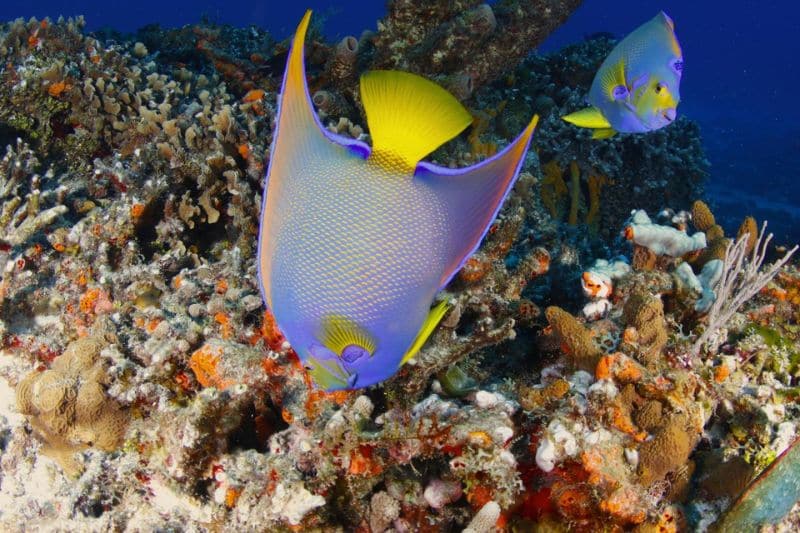
  • Parrotfish and angelfish
  • Splendid toadfish (endemic species)

Larger pelagic species are more common on deeper drift routes and sites like Punta Tunich.

Do dive conditions change depending on the site? Yes.

  • Shallow reefs: calmer, ideal for relaxed diving and photography
  • Wall dives: stronger currents, deeper profiles, more dramatic scenery
  • Drift channels: faster movement, higher chance of pelagic encounters

Visibility is generally excellent across all sites, often exceeding 20–40 meters (65–130 ft), but currents determine difficulty more than depth alone.

How many dives can I do per day in Cozumel? Most divers complete two dives per morning trip, which is the standard format in Cozumel. Dressel Divers also offer afternoon two-tanks and night dives depending on conditions and demand.

What is included in a guided dive in Cozumel? Dressel Divers include:

  • Tanks and weights
  • Boat transport to diving spots
  • Professional dive guide
  • Free Nitrox


6. Enjoy the Best Cozumel Dive Spots with Local Experts

Planning your dive trip to Cozumel?

Experience these reefs with professional dive teams who operate daily across the island.

Don’t wait—book your dives now and discover why divers from around the globe rave about Cozumel’s diving spots!


PLAN YOUR DIVE TRIP
TO COZUMEL TODAY

Ready to visit the best dive sites in Cozumel?
Need more information about Cozumel dive spots?

WE ARE HERE TO HELP

contact

    I consent to receiving commercial communications and promotions from Dressel Divers.