Honeycomb Cowfish (1) pez vaca hexagonal
Honeycomb Cowfish: The Square-Head Fish Ultimate Guide
22/04/2026
Scuba Diving Etiquette (5) etiqueta en el buceo
Scuba Diving Etiquette: The Complete Guide to Diving Right
28/04/2026
Show all

How to Find the Perfect Dive Buddy and Never Dive Alone Again

Find a Dive Buddy with Dressels

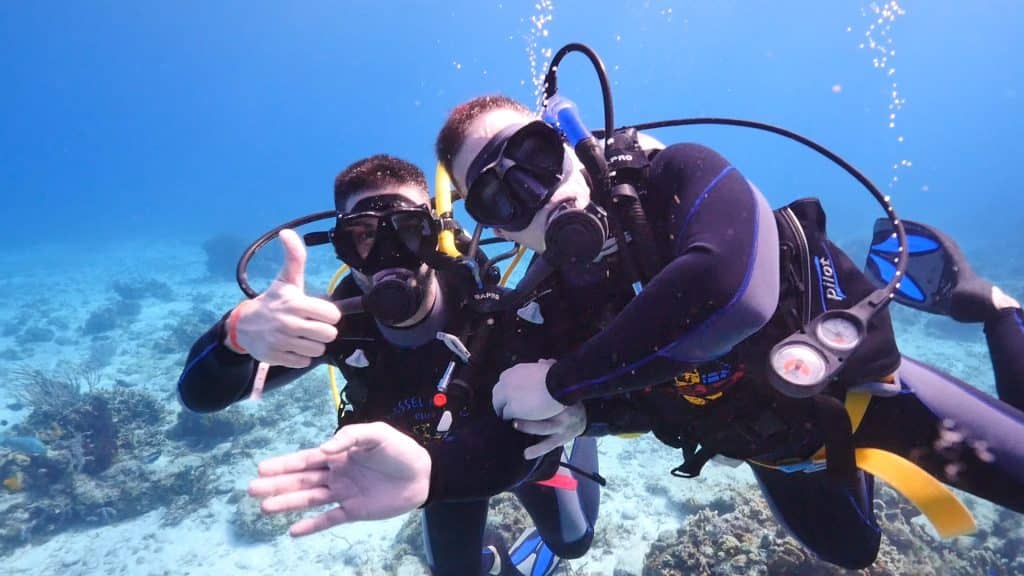
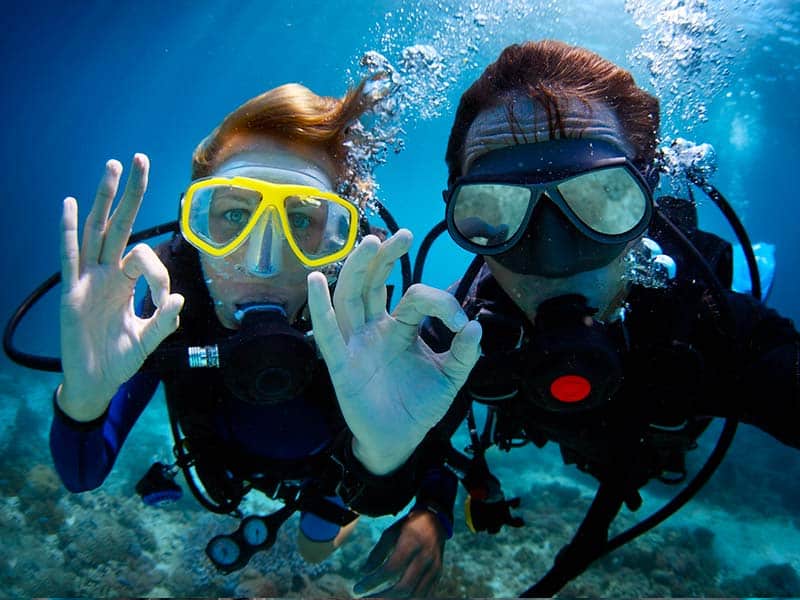
Every diver knows that feeling when you look at your dive buddy: standing on the boat’s edge, tank on your back, heart racing with excitement. You glance at them, and they give you that reassuring look.

Whether you’re a brand-new Open Water student or a seasoned diving professional, your dive buddy will shape your entire underwater experience.

A great dive buddy can turn a good dive into an unforgettable adventure, but a bad one can turn even the most spectacular reef into a stressful, or worse, dangerous, experience.

In this guide, we’ll cover everything you need to know about the buddy diving system:

  • Why it matters
  • What makes a good scuba buddy
  • How to find your ideal partner at every stage of your diving journey
  • Key safety protocols

This article is for anyone looking for dive buddies or planning to explore the world diving with partners. Stick around, we’re just getting started.

find a Dive buddy - encontrar el compañero de buceo perfecto

1. Why You Need a Dive Buddy

The buddy system in diving isn’t just a rule taught in Open Water courses, it’s a philosophy that makes the underwater world much safer for us divers. Diving takes you into an environment your body wasn’t designed for, and having a dive buddy makes it infinitely more manageable, even if just for a while.

Safety and Confidence Underwater

Imagine facing an emergency, what would you do? You’d turn to your dive buddy. That’s why diving buddies are a fundamental part of every dive. Whether it’s untangling a hose, helping with a cramp, or sharing a regulator if you run low on air, a good dive buddy keeps you safe.

With your dive buddy by your side, you can be confident that help is always within reach and that you have an ally in case anything unexpected happens. If you need assistance exiting the water, your dive buddy can provide support, ensuring you don’t get left behind or lost.

Your dive buddy is someone you can trust to help check your equipment before diving. Together, you can create a dive plan and keep an eye on each other throughout the activity. Plus, your dive buddy can keep you company during safety stops, entertain you with the occasional silly move, and help spot marine creatures you might never notice on your own.

Shared Experiences and Richer Memories

But it’s not just about safety, having a dive buddy also enhances your diving experience and enjoyment. Sharing the sights and emotions underwater with someone else is incredibly rewarding.

Beyond security, dive buddies enrich every dive. Spotting a rare nudibranch, watching a shark swim past, or exploring an impressive underwater tunnel, all these moments are simply better when shared with someone who appreciates them as much as you do. Dive buddies become the people you laugh with during surface intervals and discuss dive logs with afterward.

The social aspect of buddy diving is one of the most powerful motivators for long-term engagement with the sport.

Relevant for All Levels

No matter your diving experience, the relationship with your dive buddy is essential. The nature of that relationship evolves as you gain experience, but its core value never changes. Every diver benefit from having reliable scuba buddies, whether you’re just starting out or are an advanced scuba diving buddy.

2. What Makes a Great Dive Buddy

Not all diving buddies are equal. A really good dive buddy has certain behaviors, attitudes, and skills.

Get to know them, and you won’t go wrong when choosing your

Hallmarks of a Great Diving Buddy

  • Stays close and maintains visual contact throughout the dive.
  • Communicates clearly and responds promptly to hand signals.
  • Conducts proper pre-dive safety checks without being asked.
  • Monitors their own and their buddy’s air consumption regularly.
  • Remains calm under pressure and doesn’t overreact to minor incidents.
  • Respects the agreed dive plan and doesn’t deviate without signaling.
  • Matches their pace and depth to their buddy’s comfort level.
  • Shows genuine interest in continuous learning and skill improvement.
  • Gives honest, constructive feedback after dives.
  • Makes the experience fun and shares in the joy of discovery.

Red Flags to Watch Out For

  • Drifts away from your mid-dive without signaling.
  • Ignores pre-dive safety checks or rushes through them.
  • Frequently ignores agreed-upon dive plans.
  • Panics easily or makes impulsive decisions underwater.
  • He doesn’t have the experience or the certification level he claims; it shows in how he dives.
  • Shows disregard for marine life or the underwater environment.
  • Consistently runs low on air before you due to overexertion or anxiety.

Buddy divers who demonstrate patience, situational awareness, and a proactive safety mindset are worth their weight in gold, and worth travelling for.

ind a Dive buddy - 2 - encontrar el compañero de buceo perfecto

3. How to Find Your Ideal Dive Buddy

Finding the right scuba buddy depends heavily on where you are in your diving journey. The strategies that work for a complete beginner differ significantly from those that suit an experienced traveling diver or a dive professional looking for advanced diving partners.

3.1 For Beginners: Building Your First Buddy Connections

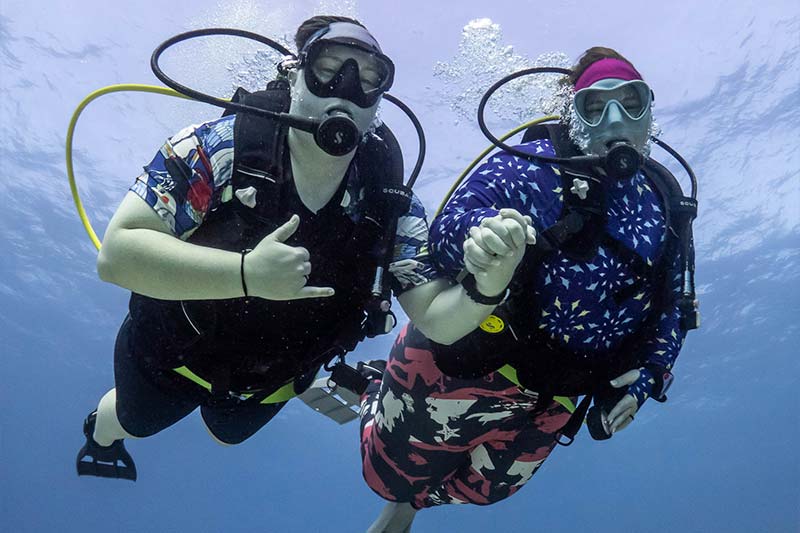
If you’re new to scuba, your first and most natural pool of diving buddies is right around you: friends and family. Convincing a friend or partner to take an Open Water Diver course together is one of the most effective ways to start your diving journey with a built-in, trusted buddy. You’ll learn together, progress at similar paces, and build shared underwater memories from day one.

If you’re diving solo (without a pre-existing buddy), your Open Water course instructor or divemaster will typically pair you with another student for pool and open water sessions. Pay attention to these pairings, they’re an excellent opportunity to meet like-minded diving buddies at your level.

Practical tips for beginners:

  • Join a local dive club. Most cities with accessible dive sites have active clubs that organize weekend dives, training sessions, and social events. These are among the best places to meet diving buddies organically.
  • Take specialty courses (e.g., Underwater Navigation, Night Diving). These attract intermediate-level divers who are actively improving, exactly the kind of scuba buddies’ beginners benefit from.
  • Talk to staff at your local dive shop. They often know who is looking for a buddy and can make introductions.
  • Attend pool nights and skills workshops. Low-pressure environments where you can assess compatibility before committing to an open water dive.

3.2. For Intermediate Divers: Expanding Your Network

As an intermediate diver with 20, 50, or 100+ dives in your logbook, your needs change. You’re likely looking for a scuba dive buddy with a similar experience level, specific interests (underwater photography, wreck diving, drift diving), or plans to travel to particular destinations.

Online platforms are your best friend here:

  • com: One of the most established platforms specifically designed to connect scuba buddies worldwide. You can search by location, certification level, and diving interests.
  • Facebook Groups: Communities like “Scuba Diving Buddies,” destination-specific groups (e.g., ” Cozumel for Divers”), and photography groups are active hubs for buddy diving connections.
  • Reddit communities: r/scuba is active and welcoming. Posting about buddy diving availability for a specific location often yields solid results.
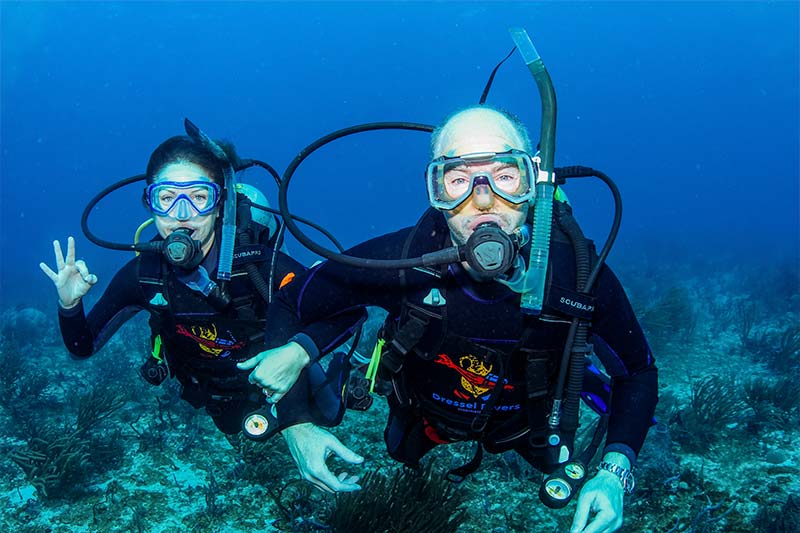
  • Dive travel operators: Many liveaboard and resort dive operators facilitate buddy pairing among solo travelers. Dressel Divers, for instance, regularly connects divers with compatible scuba buddies on group trips.

Specialty dive trips, underwater photography workshops, shark conservation dives, wreck exploration expeditions, are ideal for finding a diving buddy who shares your specific passion. When you’re surrounded by divers who geek out over the same things you do, buddy diving connections form naturally.

3.3. For Professional Divers: Strategic Buddy Pairing

Divemasters, instructors, and technical divers face unique dive buddy challenges. When your workday involves guiding or teaching, finding a dive buddy with a truly matching level requires deliberate effort.

  • Industry events and expos (DEMA Show, GO Diving, ADEX) are goldmines for professional networking. Dive professionals who meet at these events often become long-term travel buddies and mentoring partners.
  • Professional forums and groups (PADI Pros LinkedIn group, instructor-only Facebook communities) are useful for connecting with peer-level divers.
  • Cross-agency connections: Don’t limit yourself to your own agency’s network. SSI, NAUI, BSAC, and TDI professionals often dive together and cross-mentor with great results.
  • Mentorship dives: Pairing advanced students for supervised dive sessions not only benefits the student, it creates a pipeline of future dive buddies who know your standards and style.
find a Dive buddy - 3 - encontrar el compañero de buceo perfecto

4. Pre-Dive Checks and Responsibilities

No dive buddy relationship functions well without a solid pre-dive routine. The pre-dive safety check is your last opportunity to catch problems before they happen at depth.

The BWRAF Checklist (Begin With Review And Friend)

  • BCD: Check that your buddy’s BCD inflates and deflates correctly. Check your own.
  • Weights: Confirm weight belt or integrated weights are secure, and verify the quick-release mechanism.
  • Releases: Check all buckles and clips, both yours and your buddy’s. Ensure everything can be removed quickly in an emergency.
  • Air: Check that both tanks are turned on, full, and that regulators are breathing normally. Confirm alternate air source location.
  • Final check: Mask, fins, computer, dive flag, do a final head-to-toe check on each other.

Underwater Communication

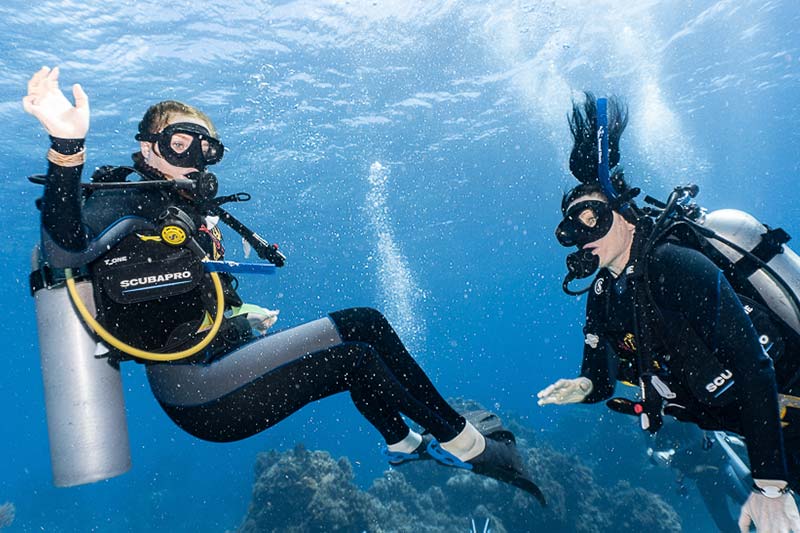
Before every dive, review hand signals with your scuba diving buddy, especially if you’ve never dived together before. Even experienced divers can have different interpretations of signals. Always confirm: OK signal, low air (500 psi/50 bar), out of air, ascend, descend, problem, and turn the dive. Some buddy pairs use slates or wrist-written signals for more complex communication.

Emergency Protocols

Establish your emergency plan on the surface: what to do if separated (ascend safely, meet at the surface or the boat), who carries the SMB (surface marker buoy), nearest recompression chamber, and emergency contact numbers. Scuba dive buddies who have discussed these protocols in advance handle emergencies with far greater calm and efficiency.

5. Common Mistakes When Choosing a Dive Buddy

Even experienced divers fall into these traps. Recognizing them in advance can save you from uncomfortable, or dangerous, situations.

  1. Trusting Claimed Experience Without Verification

Dive certifications and logbooks exist for a reason. Don’t assume that a new diving buddy’s self-reported experience is accurate. Always ask to see a certification card and logbook, especially for challenging dives like deep dives, wrecks, or night dives. Log count and certification level should align with the dive you’re planning.

  1. Ignoring Behavioral Red Flags

Rushing through the pre-dive check, showing impatience with safety protocols, dismissing concerns about conditions, these behaviors on the surface predict behavior underwater. Don’t rationalize away red flags because a buddy seems enthusiastic or likable. The underwater environment is unforgiving, and buddy divers need to be reliable under pressure.

  1. Misaligned Dive Objectives

One buddy wants to hover at 15 meters taking macro photos while the other wants to cover as much ground as possible. One wants to descend slowly and equalize carefully; the other rushes to depth. These mismatches create tension and distraction, exactly what you don’t want underwater. Always discuss dive objectives, preferred pace, and depth range before you hit the water.

  1. Neglecting the Briefing

Skipping the dive briefing because “you’ve dived here before” is a common and risky shortcut. Conditions change. New hazards emerge. A new scuba buddy may have never seen the site. Always attend and engage with dive briefings, even on familiar sites.

  1. Social Pressure to Dive Beyond Your Comfort Zone

A problematic buddy, even an unintentionally so, can apply social pressure to attempt dives beyond your training or comfort level. “It’ll be fine” and “everyone else is doing it” are phrases that have preceded diving accidents. Your scuba buddy should respect your limits, not challenge them inappropriately. 

dive buddy (5) compañero de buceo

6. 5 Signs You’ve Found the Perfect Dive Buddy

When you’ve found a truly great dive buddy, you’ll know it. Here are the five unmistakable signs:

  1. Safety is Non-Negotiable for Both of You

You never have to remind them to do the pre-dive check, monitor air, or maintain buddy distance. Safety isn’t a conversation, it’s a shared instinct. Great scuba buddies make every dive safer without making it feel like a burden.

  1. There’s Genuine Mutual Understanding

You can read each other underwater. You know when your dive buddy is excited versus nervous, cruising versus struggling with equalization. Communication flows naturally, with and without formal signals.

  1. You Both Know and Respect Each Other’s Limits

There’s no pressure to go deeper, stay longer, or attempt dives beyond your training. A great diving buddy supports your growth while always respecting your boundaries. They challenge you constructively, never recklessly.

  1. Calm Under Pressure

The true test of buddy divers comes in stressful situations. A great dive buddy remains calm when conditions deteriorate, provides measured assistance during equipment issues, and doesn’t amplify panic. Their steadiness becomes your safety net.

  1. The Fun Factor is Real

Great dive buddy chemistry is undeniable. Post-dive conversations are energetic and enthusiastic. You’re already planning the next dive before the boat reaches the dock. Shared joy and discovery make every dive better than the last.


7. Tools and Resources to Find a Dive Buddy

The search for the right scuba dive buddies has never been easier, thanks to a growing ecosystem of platforms, communities, and events dedicated to connecting divers.

Online Platforms

  • com: The most established dive-buddy-specific platform. Create a profile, list your certifications, and search for scuba buddies by location and interests.
  • Scuba Earth (PADI): Integrated into PADI’s ecosystem, Scuba Earth lets divers track dives, connect with other buddy divers, and find dive shops worldwide.
  • Facebook Groups: Thousands of diving groups organized by location, specialty, and interest level. Particularly active for dive travel planning.
  • com: Many cities have active scuba diving groups that organize regular group dives, perfect for beginners looking for diving buddies in a low-pressure setting.
  • Instagram and TikTok: Underwater photography communities on Instagram (#scubabuddy, #divingbuddies) often connect like-minded divers who transition from online fans to real-world dive partners.

Offline Channels

  • Local dive clubs and shops: Your local dive shop is still one of the best buddy-matching resources available. Staff know their regular customers and can make targeted introductions.
  • Dive expos and conferences: Events like the London Dive Show, DEMA (US), or Salon de la Plongée (France) gather thousands of divers in one place. Bring business cards.
  • Liveaboard dive trips: Multi-day liveaboard itineraries naturally foster close buddy diving bonds. By day three, most passengers have found a preferred dive buddy.
  • Dressel Divers trips and courses: At Dressel Divers centers worldwide, solo divers are routinely connected with compatible scuba buddies for group trips, specialty courses, and guided dives.
  • Specialty courses: Night Diver, Deep Diver, Underwater Photographer, these attract focused, experienced divers and are ideal environments for meeting a like-minded dive buddy.
FIND A DIVE BUDDY (1) encontra compañero de buceo

8. Tips for Maintaining Long-Term Dive Buddy Relationships

Finding a great dive buddy is one thing, keeping that relationship strong over months and years is another. Long-term buddy divers build a rare kind of trust that makes every dive safer and more enjoyable. Here’s how to nurture that bond.

Trust and Reliability

Trust is the foundation of every strong buddy diver relationship.

It’s built through consistent behavior: showing up on time, being honest about your air consumption and comfort level, following agreed dive plans, and never pressuring your scuba diving buddy to exceed their limits.

Reliability above the surface, answering messages, confirming plans, being present during briefings, translates directly into reliability below it.

Over time, these small acts of dependability create an underwater partnership where both divers can focus fully on the dive, secure in the knowledge that their buddy has their back.

Scheduling and Planning Dives Together

One of the most common reasons dive buddy relationships fades is simple logistics. Life gets busy, and without intentional planning, weeks turn into months without getting in the water together.

The solution is proactive scheduling: set a regular dive date, weekly, biweekly, or monthly, and protect it.

Use shared calendars or dive group chats to plan ahead. Many long-term dive buddies also make a habit of booking at least one annual diving trip together, whether a liveaboard, a dive resort stay, or a road trip to a new dive site. Having something on the horizon keeps the partnership energized and gives both dive buddies something to train toward.

Adapting to Different Skill Levels Over Time

Long-term scuba diving buddies don’t always progress at the same pace. One may earn an Advanced Open Water certification and dive specialties while the other is content with recreational dives at familiar sites.

This divergence is natural, and it doesn’t have to end the partnership. The key is honest communication and flexible dive planning.

More experienced buddy divers can take on a mentoring role without being condescending, choosing sites and conditions that challenge them while remaining comfortable for their partner.

If the skill gap becomes too wide for certain dives, both divers should feel free to seek additional dive buddies for those specific experiences, while maintaining the core relationship for dives within their shared comfort zone.

Great dive buddies grow with each other, not away from each other.


9. FAQs About Dive Buddies

Can I dive alone?

In standard recreational diving, no. Solo diving requires specific “Self-Reliant” or “Solo Diver” training and specialized gear.

What do I do if I lose my buddy?

Search for one minute, and if you can’t find them, ascend safely to the surface.

 How far should I be from my dive buddy?
Close enough to reach them within a couple of seconds—ideally about 2–3 meters (6–10 feet).

What if my buddy uses air faster?

The dive ends when the first person reaches their reserve. You both ascend together.

Who leads the dive?

It should be agreed upon before descending; usually, one leads and the other follows, switching roles if desired.

What if my buddy uses air faster?

The dive ends when the first person reaches their reserve. You both ascend together.

How do I get my buddy’s attention?

By using sound (shaker, tank banger) or pointing a dive light into their field of vision.

What if my buddy panics?

Stay calm, establish eye contact, and help them recover their regulator or inflate their BCD if necessary.

What if my buddy is less experienced?

Plan according to their limits: shallower and shorter. Don’t push them and monitor them closely.

How to manage different expectations?

Agree on depth and goals beforehand. If the plan isn’t followed, use the “turn dive” signal.

The ocean is waiting. And it’s always better with a dive buddy.


Ready to find your perfect dive buddy?

Explore our scuba diving courses and find the program that fits your level.

By joining a group trip to the Caribbean, you’ll connect with dive buddies who share your passion.

Contact your nearest Dressel Divers center and let us match you with your next dive buddy.

Share this guide with a friend and convince them to take the plunge with you.

The ocean is waiting. And it’s always better with a dive buddy.

CONTACT US FOR
PERSONALIZED ASSISTANCE

Ready to improve your dive skills?
Need more information about the next certification level?

WE ARE HERE TO HELP

contact

    I consent to receiving commercial communications and promotions from Dressel Divers.